
Plants
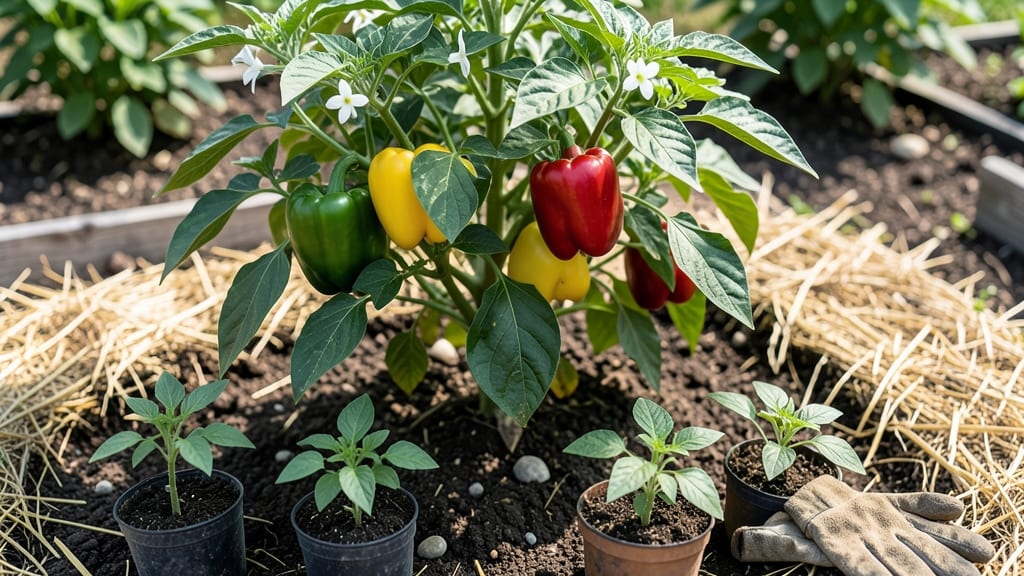
Timing your 🌶️ bell pepper planting in Missouri isn’t just about avoiding frost—it’s about unlocking a bumper harvest when most gardeners are still waiting. Skip the guesswork and plant after May 15, when soil temperatures consistently hit 60°F and frost risk fades.
This 5b-6b zone gives you a narrow window to get seedlings in the ground before summer heat sets in.
Missouri’s unpredictable springs make this timing critical. Plant too early, and a late frost will kill tender seedlings; too late, and your peppers struggle to mature before fall. The key is balancing soil warmth with your local last-frost date—whether you’re in St. Louis, Kansas City, or Columbia.
Let’s break down the exact steps to maximize your yield without the common mistakes.
You’ve got options: start seeds indoors 8-10 weeks before transplanting or grab healthy seedlings from a nursery. Either way, the goal is the same—getting those peppers in the ground after Memorial Day when the ground is ready.
We’ll cover how to prep your soil, choose the right varieties, and protect your plants from Missouri’s notorious late frosts.
By following this timeline, you’ll avoid the 5 biggest mistakes Missouri gardeners make—like rushing seedlings or ignoring soil temps—and set your peppers up for a July-October harvest. Ready to grow a garden full of sweet, spicy, and colorful peppers? Let’s get started.
Missouri bell pepper planting zones & frost-free deadlines by region
Missouri’s diverse microclimates mean your last frost date could vary by 2-3 weeks from St. Louis to Kansas City. Bell peppers (Capsicum annuum) need warm soil (60°F+) and frost-free conditions—plant too early, and your seedlings will bolt or die.
Here’s the breakdown by region to avoid common mistakes.
Southern Missouri (USDA Zone 6b-7a, e.g., Springfield, Cape Girardeau) typically sees its last frost by April 15, while northern areas (Zone 5b, e.g., St. Joseph, Kirksville) may wait until May 1.
Even within cities, urban heat islands can push frost dates 3-5 days earlier—check your local Almanac or NOAA frost maps for precision.
Soil temperature matters more than air temperature: bell peppers won’t thrive until the ground reaches 60°F (15°C). Use a soil thermometer—if it’s cooler, delay planting or use black plastic mulch to warm the soil faster.
In St. Louis (Zone 6a), this usually aligns with mid-to-late April, but Kansas City (Zone 5b) often waits until early May.
Pro tip: Transplant seedlings only after two weeks of consistent 50°F+ nights. If frost warnings linger, cover plants with frost cloth or a cold frame.
Southern Missouri gardeners can even plant early varieties (60-day maturity) in March under row covers, but northern Missouri should wait until after May 1.
Missouri’s first frost typically arrives October 15-30, giving you a 165-day growing season. For a second harvest, try fast-maturing varieties (e.g., 'Early Cal Wonder') or use greenhouse extensions to push the season into late October.
| Region | USDA Zone | Last Frost Date | Safe Planting Window | Soil Temp Threshold |
|---|---|---|---|---|
| Southern MO (Springfield, Cape Girardeau) | 6b-7a | April 15 | April 20 - May 15 | 60°F+ (mid-April) |
| Central MO (Columbia, Jefferson City) | 6a | April 22 | April 25 - May 10 | 60°F+ (late April) |
| St. Louis Metro | 6a | April 15 | April 20 - May 5 | 60°F+ (late April) |
| Kansas City Metro | 5b | May 1 | May 5 - May 20 | 60°F+ (early May) |
| Northern MO (St. Joseph, Kirksville) | 5a-5b | May 10 | May 15 - June 1 | 60°F+ (late May) |
Missouri’s urban vs. rural divide also plays a role: St. Louis’ urban heat can push frost dates 3-5 days earlier than surrounding areas, while rural farmland may experience later frosts.
If you’re in doubt, use biodegradable seed pots to transplant later—peppers hate cold soil and will rot if planted too soon.
For container gardening, add 2-3 weeks to your timeline since pots heat up slower. Place containers in south-facing spots and use dark-colored pots to absorb heat. In
Missouri bell pepper planting zones & frost-free deadlines by region
Missouri’s USDA zones 5b-6b create unique challenges for bell pepper growers. The last frost date varies dramatically—from early April in southern regions like Sikeston to late May in northern areas like St. Joseph.
This variation means your planting timeline should adjust based on your specific location to avoid frost damage.
For St. Louis (Zone 6a) and Columbia (Zone 6b), the average last frost falls between April 15-20. Gardeners in Kansas City (Zone 6a) should wait until April 25-May 1, while those in Springfield (Zone 6b) can start transplanting around April 22.
Northern Missouri, including St. Joseph (Zone 5b), faces later frosts—often not until May 10-15.
Soil temperature is just as critical as frost dates. Bell peppers thrive when soil reaches 60°F (15°C). In Missouri, this typically occurs 2-3 weeks after the last frost. Use a soil thermometer to confirm—planting too soon in cool soil stunts growth and invites disease.
Missouri’s microclimates add another layer of complexity. Urban areas like St. Louis experience "heat islands" that warm soil faster, while rural zones may stay cooler longer. If you’re unsure, err on the side of caution—wait until May 1 for most of the state to ensure zero frost risk.
| Region | USDA Zone | Last Frost Date | Safe Transplant Window | Soil Temp Threshold |
|---|---|---|---|---|
| Southern MO (Poplar Bluff) | Zone 7a | March 20-April 5 | April 15-May 1 | 60°F (15°C) |
| St. Louis/Columbia | Zone 6a-6b | April 15-20 | April 30-May 10 | 60°F (15°C) |
| Kansas City | Zone 6a | April 25-May 1 | May 10-20 | 60°F (15°C) |
| Northern MO (St. Joseph) | Zone 5b | May 10-15 | May 25-June 5 | 60°F (15°C) |
If you’re in Zone 6a or below, consider starting seeds indoors 8-10 weeks before your last frost date. This gives seedlings a head start and extends your growing season. For example, St. Louis gardeners should begin seeds by mid-February, while Kansas City can wait until late February.
Pro tip: Use row covers or a mini greenhouse to protect young plants if late frosts threaten. Missouri’s unpredictable spring weather means flexibility is key—always have a backup plan to shield your peppers from 28°F (-2°C) or lower temperatures.