
Planting
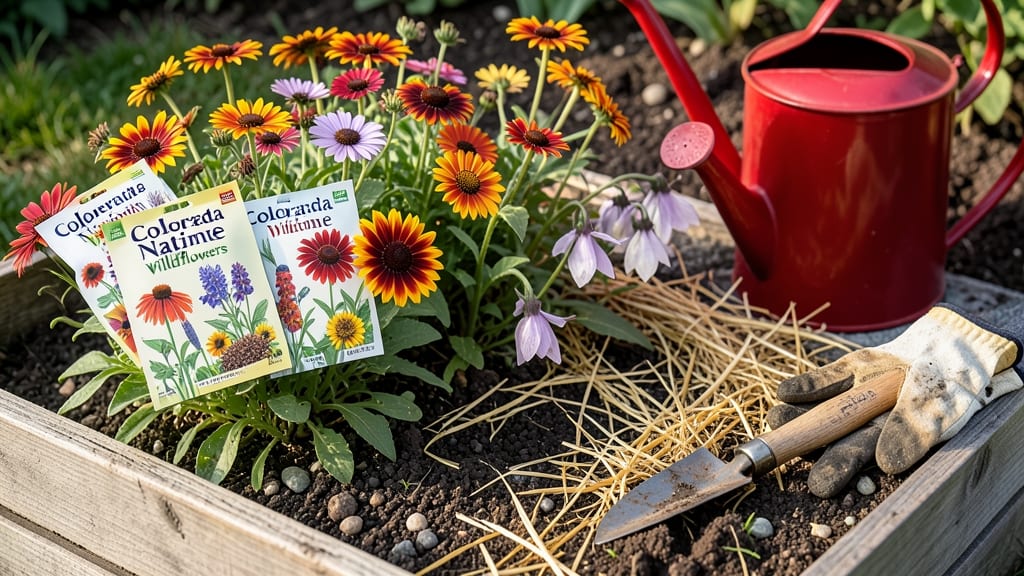
Timing your garden in Colorado wrong could mean watching your 🌱 General Garden Plants wither before they even get a chance to thrive.
The state’s dramatic elevation shifts and unpredictable frost dates turn planting into a high-stakes game of patience—too early, and a late freeze will kill your seedlings; too late, and you’ll miss the short growing season entirely.
I’ve spent years gardening here, and the key is knowing your last frost date by elevation zone. Whether you’re in Denver’s USDA Zone 5-8 or the Western Slope’s higher altitudes, the right timing can mean the difference between a bountiful harvest and wasted effort.
Let’s break down the best planting windows for spring and fall so you can maximize your garden’s potential.
Most General Garden Plants should hit the soil between March and May for spring, but don’t just follow a calendar—watch for soil temperatures to reach 60°F and check local frost forecasts.
Cool-season crops like peas and lettuce can go in 4-6 weeks before the last frost, while warm-season plants like tomatoes need to wait until after April 15 in Denver or later in higher elevations.
Ready to avoid the common mistakes and get your garden off to the right start? I’ll walk you through the exact deadlines, elevation adjustments, and pro tips to make sure your 🌱 General Garden Plants grow strong all season long.
Colorado’s frost-free planting zones by elevation: key deadlines
Colorado’s diverse elevation zones—from the Front Range to the Western Slope—create wildly different planting windows. At 5,280 feet in Denver, last frost typically hits April 15, while Grand Junction (4,400 feet) sees frost-free conditions by March 15.
Meanwhile, Aspen (7,800 feet) may not thaw until June 1. These shifts mean your tomatoes in Fort Collins might thrive while peppers in Durango struggle to mature.
Understanding your microclimate is critical. Urban areas like Denver often warm faster than rural zones due to heat islands, while mountain valleys trap cold air. For example, Boulder’s last frost can vary by 1-2 weeks between downtown and the foothills.
Always check local frost data—your neighbor’s garden success isn’t guaranteed for your yard.
Here’s the elevation breakdown you need to time your plantings perfectly, including cool-season and warm-season windows for each zone:
Cool-season crops like kale, spinach, and peas can handle Colorado’s early springs. Plant them 4-6 weeks before your last frost date for harvests by summer. For warm-season crops like tomatoes and peppers, wait until soil temps hit 60°F—use a soil thermometer to avoid false starts.
Colorado’s short growing season demands precision. In Denver, you’ve got roughly 120 frost-free days—enough for fast growers like bush beans or radishes, but not heat-lovers like sweet potatoes.
At higher elevations, even zucchini may need a row cover to extend its season. Always calculate days to maturity from your last frost date backward.
Pro tip: Use Colorado State University’s frost maps (updated annually) for hyper-local data. For example, Colorado Springs’s last frost can swing by 10 days between urban and rural areas. If you’re unsure, start cool-season crops indoors in March and transplant after frost risk passes.
Fall planting is your second chance—cool down by September lets you sow broccoli, carrots, and lettuce for harvests before winter. In Grand Junction, you might even squeeze in a second tomato crop with early varieties like ‘Early Girl’.
Just stop planting by mid-September to give roots time to establish before frost.
Microclimates can save—or ruin—your garden. A south-facing wall might add 2-3 weeks of warmth, while a low-lying area could trap cold. Test your spot by placing a frost-sensitive plant (like marigolds) in suspect areas—if it survives, you’ve got a hidden gem for early planting.
Remember: Soil temperature matters more than air temperature. A 50°F soil can delay germination for weeks. Use a soil thermometer—most seeds need 40-60°
Colorado’s frost-free planting zones by elevation: key deadlines
Colorado’s three distinct elevation zones—Front Range, Western Slope, and High Plains—each have unique frost dates that dictate when to plant. The Front Range (Denver, Boulder) typically sees its last frost around April 15, while the Western Slope (Grand Junction, Durango) can wait until May 15 or later.
Higher elevations like Steamboat Springs may push planting to June 1.
Microclimates add complexity: Urban areas like Denver often warm faster than rural zones, so check local frost forecasts. For example, a south-facing slope might be frost-free a week earlier than a north-facing valley.
Always plant cool-season crops (like lettuce or peas) 4-6 weeks before your last frost date, while warm-season plants (tomatoes, peppers) need to wait until after the last frost.
🌱
For fall planting, aim to sow seeds or transplant seedlings 90-120 days before your first frost. In Denver, that’s August 15; in Grand Junction, it stretches to September 15.
Fast-maturing crops like radishes or spinach work well for late-season harvests, while slower growers (like broccoli) need an earlier start.
Use soil thermometers to confirm readiness—most warm-season plants need soil temps of 60°F+ before planting. In high-altitude areas, soil warms slower, so delay planting until late May or early June. Always monitor local weather alerts for unexpected frost events, especially in April.
Pro tip: Start cool-season crops indoors in March to get a head start. Harden off seedlings for 7-10 days before transplanting after your last frost date. This ensures they’re frost-resistant and ready to thrive in Colorado’s dry, sunny climate.
✂️