
Planting
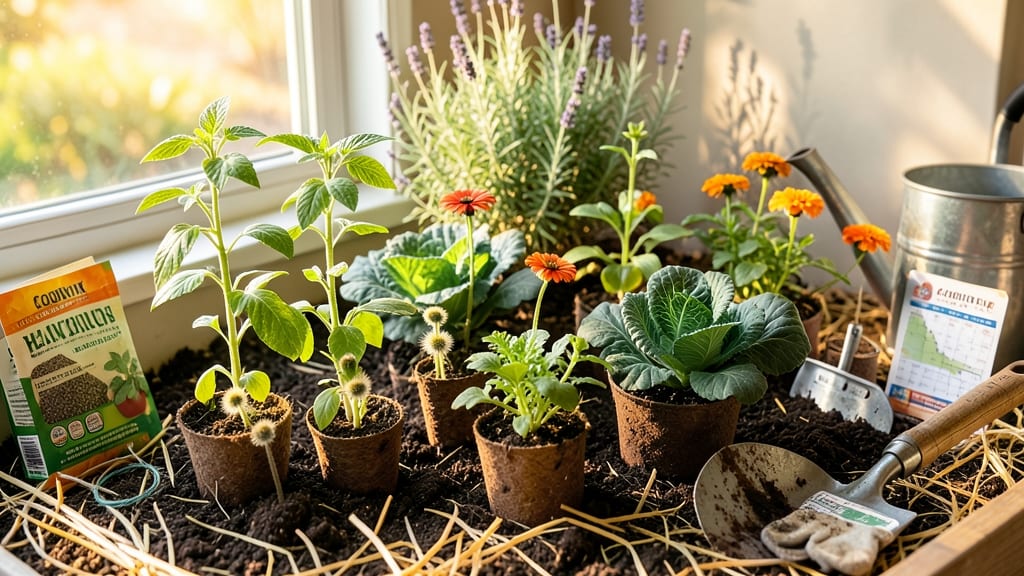
Timing your Colorado garden planting wrong could mean the difference between a bumper crop and a frost-killed disappointment. The state’s dramatic elevation shifts—from Denver’s 5,280 feet to high-altitude valleys—create planting zones that can feel like entirely different climates.
If you’ve ever rushed to plant your 🌱 garden only to watch frost nip your seedlings overnight, you’re not alone. Colorado’s unpredictable weather demands a tailored approach, especially when balancing last-frost dates with soil warmth.
The key? Knowing whether you’re in the Front Range’s Zone 5-6 or the Western Slope’s milder Zone 4-5.
In this guide, I’ll break down the exact planting windows for your region—from seed-starting deadlines to direct-sow outdoor dates—so you can avoid common mistakes. Whether you’re growing tomatoes, peppers, or hardy greens, these elevation-specific tips will help you maximize your harvest.
Ready to turn your Colorado garden into a thriving success? Let’s dive into the seasonal strategies that work, backed by local expertise and frost-free timing.
Colorado planting zones by elevation: when to start seeds indoors vs. direct-sow outdoors
Colorado’s elevation extremes create wildly different planting windows—what works in Denver (5,280 ft) fails at Leadville (10,152 ft). The key is understanding your microclimate and adjusting seed-starting deadlines accordingly. Below, I’ll break down planting schedules for three elevation zones that cover 90% of Colorado gardens.
For Front Range gardens (5,000–7,000 ft), think of April 15–May 1 as your last-frost date window. Areas like Fort Collins and Boulder average 500–550 frost-free days, while high-altitude pockets (7,000+ ft) may only see 100–150 days.
This means your tomato seedlings started in March at 5,000 ft might bolt by harvest time if planted too late at 8,000 ft.
🌱 Colorado Planting Zone Summary
| Elevation Zone | Avg. Last Frost | Seed Start Indoors | Direct Sow Outdoors | Key Crops |
|---|---|---|---|---|
| 4,000–6,000 ft (Western Slope) | April 1–April 15 | March 1–March 15 | April 15–May 1 | Tomatoes, Peppers, Corn |
| 5,000–7,000 ft (Front Range) | May 1–May 15 | March 15–April 1 | May 15–June 1 | Peas, Lettuce, Kale |
| 7,000+ ft (High Altitude) | June 1–June 15 | April 15–May 1 | June 15–July 1 | Potatoes, Carrots, Radishes |
Adjust dates 1–2 weeks earlier for low-elevation valleys, later for north-facing slopes.
If you’re growing heat-loving crops like tomatoes or peppers, start seeds indoors 6–8 weeks before your last frost date. For Front Range gardeners, that means March 15–April 1, while Western Slope growers can push it to March 1–March 15.
Pro tip: Use a grow light—Colorado’s short days in spring delay seedling growth.
For cool-season crops (spinach, kale, peas), direct-sow outdoors 2–4 weeks before your last frost. In Denver, that’s mid-April, but in Grand Junction, you can start as early as late February.
These crops handle light frosts (down to 20°F for some varieties), so don’t wait too long!
High-altitude gardeners (7,000+ ft) face the toughest challenge: short growing seasons. Your last frost date might be June 15, leaving only 100 days for warm-season crops.
Solution? Start seeds indoors as early as April 15 and use row covers to extend the season. Prioritize fast-maturing varieties like ‘Early Girl’ tomatoes (55 days) over slower growers.
One mistake I see often is overestimating soil warmth. Even if air temps hit 70°F, soil at 6,000 ft may still be 45°F. Use a soil thermometer—most vegetables need 50°F+ to germinate.
For peppers and eggplants, wait until soil reaches 60°F+, or they’ll sulk and produce poorly.
Don’t forget fall planting! Many Colorado gardeners overlook this, but cool-season crops thrive in autumn. In Denver, you can direct-sow spinach and radishes until September 15, while kale and carrots handle light frosts.
Use black plastic mulch to warm soil for late-season plantings—it can add 5–10°F to soil temps.
For real-time updates, bookmark the Colorado State University Extension’s frost date maps. They adjust annually based on 5-year averages, accounting for climate shifts. Pair this with your local CoCoRaHS weather station data for hyper-local precision.
Your neighbors’ gardens aren’t always your best guide—microclimates vary by just 100 feet!
Finally, succession planting is your secret weapon. Instead of planting all your lettuce or beans at once, stagger seeds every 2 weeks. This ensures a continuous harvest and reduces waste. In Colorado’s short seasons, this means the difference between one harvest and three! 🌱
Colorado’s most reliable frost-free dates by city: Denver, Fort Collins, Boulder, and beyond
Colorado’s frost-free dates can shift dramatically between cities—even just 20 miles apart. Denver’s last spring frost typically arrives by May 15, while Fort Collins often sees frost-free conditions by May 1.
Meanwhile, high-altitude areas like Leadville may still face frost in June. These variations mean your planting timeline depends heavily on your exact location.
Urban heat islands also play a role. Cities like Denver and Colorado Springs experience slightly warmer microclimates, allowing earlier planting of warm-season crops like tomatoes and peppers.
However, rural areas and higher elevations require delayed schedules to avoid frost damage. Always check local frost forecasts 1-2 weeks before your planned planting date.
🌱
| City | Avg. Last Frost | Avg. First Frost | Planting Window |
|---|---|---|---|
| Denver (5,280 ft) | May 15 | September 20 | Mid-April (cool crops) to May 15 (warm crops) |
| Fort Collins (5,050 ft) | May 1 | September 15 | Late March (cool crops) to May 1 (warm crops) |
| Boulder (5,430 ft) | May 10 | September 25 | Mid-April (cool crops) to May 10 (warm crops) |
| Colorado Springs (6,035 ft) | May 5 | October 5 | Late March (cool crops) to May 5 (warm crops) |
| Grand Junction (4,700 ft) | April 15 | October 30 | Early March (cool crops) to April 15 (warm crops) |
For real-time adjustments, use tools like the National Weather Service’s frost prediction maps or local Cooperative Extension Service resources. In Denver, for example, a late frost in May can delay tomato planting by weeks, while Fort Collins may see earlier opportunities.
Always err on the side of caution—hardy crops like kale can handle light frosts, but peppers and eggplants need consistent warmth.
If you’re unsure about your local frost dates, consider planting cool-season crops like lettuce or peas in March, even if warm-season crops wait until May or June. Succession planting—sowing seeds every 2-3 weeks—helps stretch your harvest window regardless of frost timing.
🌿