
Planting
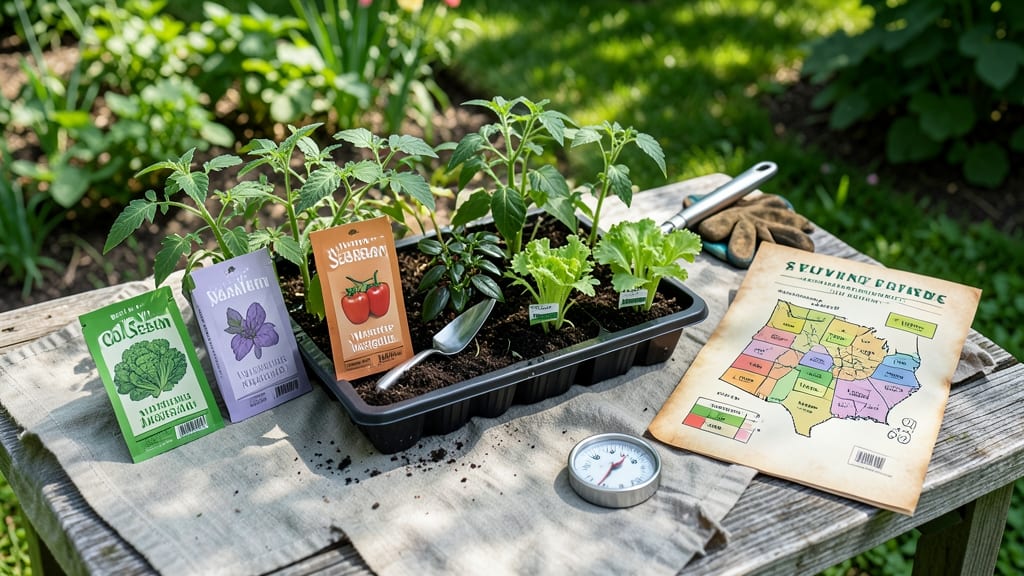
Timing your garden in Virginia isn’t just about throwing seeds in the dirt—it’s about knowing when to plant a garden in Virginia to beat frost, avoid wasted effort, and maximize your harvest.
With USDA zones 6a-8a and regional differences from the coast to the mountains, one wrong move could mean lost plants or missed growing seasons.
I’ve spent years testing what works in Virginia’s climate, and the key is understanding your last frost dates. Coastal areas like Norfolk might be ready by March 15, while inland spots like Roanoke could wait until April 15.
Get it wrong, and you’ll either have frost-nipped seedlings or overripe tomatoes before fall.
This guide breaks down exactly when to plant—whether you’re growing cool-season greens like spinach or heat-loving veggies like peppers—so you can align your garden with Virginia’s natural rhythm. No more guesswork, just proven timing for your region.
Ready to turn your garden dreams into reality? Let’s dive into the month-by-month schedule that’ll have your 🌱 General Garden Plants (Virginia) thriving all season long.
Virginia’s last frost dates by region: when to start planting cool & warm season crops
Virginia’s last frost dates vary dramatically by region—from March 15 along the coast to April 15 in the Piedmont. These dates separate success from failure for your garden, so knowing your USDA Zone (6a–8a) is critical.
Coastal areas like Norfolk enjoy earlier planting, while inland zones like Roanoke face later risks. Always check local Almanac frost charts for the most precise timing.
Cool-season crops like spinach and broccoli thrive when planted 4–6 weeks before your last frost. Warm-season crops such as tomatoes and peppers need soil temperatures above 60°F—typically 2 weeks after your last frost. Misjudging these windows can mean wilted seedlings or stunted growth.
Here’s how Virginia’s regions break down for planting:
| Region | Last Frost Date | First Frost Date | Cool-Season Planting Window | Warm-Season Planting Window |
|---|---|---|---|---|
| Coastal Plain (Norfolk, Hampton) | March 15 | November 15 | February 15–March 15 | April 1–May 1 |
| Piedmont (Richmond, Charlottesville) | March 30 | October 30 | March 1–March 15 | April 15–May 1 |
| Valley (Roanoke, Shenandoah) | April 15 | October 15 | March 15–April 1 | May 1–May 15 |
| Mountains (Blacksburg, Abingdon) | April 30 | October 5 | April 1–April 15 | May 15–June 1 |
Urban gardens in cities like Alexandria or Arlington may experience microclimates with earlier warming due to pavement and buildings. Always scout your yard for frost pockets—low-lying areas where cold air settles.
Use a frost cloth or row covers to protect tender seedlings if frost is forecasted after your expected planting window.
For warm-season crops, soil temperature matters more than air temperature. Use a soil thermometer—wait until readings hit 60°F for tomatoes and peppers, or 70°F for squash. In Virginia, this often aligns with late April to early May, but coastal areas can start earlier.
Pro tip: Plant fast-maturing varieties like bush beans or radishes in early spring for quick harvests before summer heat sets in. Succession planting—sowing new seeds every 2 weeks—ensures a continuous harvest of leafy greens and herbs throughout the season.
Fall planting follows the reverse logic: cool-season crops like kale and carrots should go in 8–10 weeks before your first frost. In Virginia, this means late July to early August for most regions.
Use black plastic mulch to warm soil faster in spring or straw mulch to insulate roots in fall.
Don’t forget perennials and shrubs, which can be planted in early spring or fall (after 60 days of growth). Evergreens like boxwood or holly need extra care in Virginia’s humid summers—mulch heavily to retain moisture and prevent root stress.
Track your local frost dates with the Virginia Cooperative Extension’s frost calendar or apps like Frost Date Finder. Adjust for unpredictable weather by keeping a seedling heat mat ready for late frosts or using a greenhouse to extend your growing season.
🌱
Best planting times for warm-season vegetables in Virginia
Warm-season vegetables like tomatoes, peppers, and cucumbers thrive when soil temperatures rise above 60°F. In Virginia, this typically means waiting until mid-April to early May in southern regions, but holding off until late May in cooler mountain areas.
Planting too early in cold soil stunts growth and invites disease—so always check soil temperature with a probe or wait for frost-free dates.
For direct-sown seeds, aim for 2-4 weeks after your last frost date. Transplants like tomato seedlings can go in slightly earlier, once nighttime temps stay above 50°F. Coastal regions (Zone 8a) often have a 2-3 week head start compared to the Blue Ridge Mountains (Zone 6a).
Use black plastic mulch or straw to warm soil faster if you're eager to plant.
🔹 Key warm-season crops and their ideal planting windows in Virginia:
- 🌿 Tomatoes: Plant after May 1 in most regions; soil should be 65°F+. Use cold frames for early starts in Zone 6a.
- 🌶️ Peppers: Wait until mid-May (soil 70°F+). Start seeds indoors 8-10 weeks early for transplanting.
- 🥒 Cucumbers: Sow 2-3 weeks after last frost. Choose bush varieties for smaller spaces or trellis for vertical growth.
- 🍅 Eggplants: Need 80°F+ soil—plant late May to June in Virginia. Use row covers for frost protection if early blooms appear.
- 🌻 Sweet Corn: Plant in blocks (not rows) for pollination. Best timing: late April to early May in southern VA; May 15-June 1 in northern VA.
- 🍆 Okra: Thrives in hot summers—plant after June 1 for best yields. Drought-tolerant once established!
Avoid the common mistake of planting warm-season crops in cold soil—even if air temps feel warm. Use your fingers as a test: If soil 1 inch deep feels cooler than your wrist, wait.
For container gardening, move pots to sunniest spots and use heat mats to jumpstart growth in cooler microclimates like mountain valleys.
💡 Pro Tip: Group warm-season plants by maturity—plant fast-maturing varieties (like bush beans) first, followed by longer-season crops (like heirloom tomatoes) 2-3 weeks later. This ensures continuous harvests throughout summer and early fall.
In Zone 7b (Central VA), aim to have warm-season crops in the ground by May 10 for peak production. For Zone 8a (Coastal VA), you can start as early as April 15, but monitor nighttime lows55°F can stress young plants.
Always have frost cloth on hand for unexpected late-spring frosts, which are more common in elevated areas like the Shenandoah Valley.
🌡️ Soil Temperature Matters Most: Use a soil thermometer to confirm readiness. Most warm-season veggies need 60-70°F soil. If temps are too cool, seeds may rot or seedlings linger. For fastest growth, amend soil with compost and use black plastic mulch to raise soil temps by 5-10°F.