
Planting
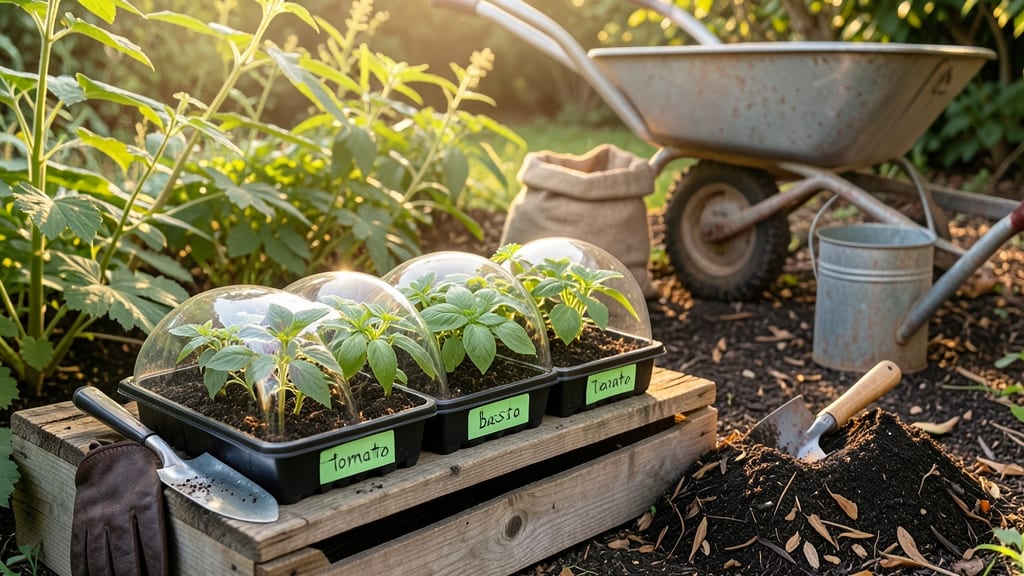
Knowing when to plant a garden in spring can make or break your harvest—especially if you're in a zone where frost lingers into April. One wrong move, and your tender seedlings could turn into a sad, icy snack for hungry wildlife.
But here's the good news: with the right timing and a few simple tricks, you can outsmart Mother Nature and enjoy a bounty of fresh produce all season long.
For most gardeners in USDA Zone 6a (like me!), the magic window opens after your last frost date—typically around mid-April. That’s when cool-season crops like lettuce and peas can finally go straight into the soil, while warm-season stars like tomatoes and peppers need a head start indoors.
The key? Paying attention to your local frost dates and adjusting your schedule accordingly.
Don’t worry if your spring feels unpredictable—even late frosts happen. I’ll show you how to use row covers, cold frames, and succession planting to stretch your growing season without guessing.
Whether you're a first-time gardener or a seasoned pro, these tips will help you avoid common pitfalls and get your 🌱 garden off to the best possible start.
Ready to dig in? Let’s break down the exact planting timeline for your region, plus pro strategies to keep your garden thriving from seed to harvest. No more wasted effort—just more homegrown goodness on your plate!
Spring planting timeline by frost dates and plant hardiness zones
Spring planting success hinges on understanding your last frost date and USDA hardiness zone. These two factors determine when to plant cool-season crops (like lettuce and peas) versus warm-season crops (like tomatoes and peppers).
In Zone 6a, where I garden, the average last frost date falls around April 15, but this can vary by 1-2 weeks depending on microclimates. Always check your local National Weather Service or USDA Plant Hardiness Map for precision.
For gardeners in cooler zones (3-5), like the Pacific Northwest or New England, cool-season crops can often start as early as March, while warmer zones (7-10), such as Florida or Southern California, may plant warm-season crops like okra or sweet potatoes as early as February.
The key is aligning your planting schedule with soil temperatures—most seeds need soil that’s at least 40°F (4°C) for germination, while warm-season crops thrive in 60°F (15°C)+ soil.
Here’s how I break down planting by USDA zones and crop type to maximize my garden’s potential. The table below shows ideal planting windows for both cool-season and warm-season plants, tailored to common hardiness zones.
Adjust based on your local frost history—some years, you might need to wait an extra week or two!
🌱 Spring Planting Timeline by USDA Zone
| USDA Zone | Last Frost Date | Cool-Season Crops (Plant) | Warm-Season Crops (Start Indoors) | Warm-Season Crops (Plant Outdoors) |
|---|---|---|---|---|
| 3-4 | May 1-15 | March 15-April 15 | February 15-March 15 | May 20-June 1 |
| 5-6 | April 15-May 1 | March 1-April 15 | March 1-April 1 | May 10-May 30 |
| 7-8 | March 1-April 1 | February 15-March 15 | January 15-February 15 | April 1-April 30 |
| 9-10 | January 15-February 15 | January 1-February 15 | December 1-January 15 | February 15-March 15 |
*Adjust dates based on your local frost history and microclimate.
In my Zone 6a garden, I prioritize cool-season crops like spinach, peas, and broccoli in early spring (March-April) and shift to warm-season crops like tomatoes, peppers, and cucumbers after the last frost.
For warm-season crops, I start seeds indoors 6-8 weeks before the last frost to give them a head start. For example, if my last frost is April 15, I’ll begin tomato seeds indoors around February 20.
One common mistake I’ve seen is planting warm-season crops too early, only to have them bolt (flower prematurely) or wilt from cold snaps. Always verify your soil temperature with a soil thermometer—warm-season crops need soil that’s consistently 60°F (15°C)+.
If your soil is cold, use black plastic mulch or row covers to warm it up faster.
For perennials and shrubs, timing matters too! In cooler zones, I plant bare-root perennials in early spring (March-April) when soil is workable but not soggy. In warmer zones, fall planting is often better to avoid summer heat stress.
Always check the specific plant’s guidelines—some, like asparagus, need 2 years to establish before harvest.
Pro tip: Use succession planting to extend your harvest. For example, after harvesting early bush beans, I replant with carrots or lettuce to maximize my garden space. This works especially well in small gardens or container setups where space is limited.
If you’re new to gardening, start with easy-to-grow crops like lettuce, radishes, or green beans. These tolerate a wider range of conditions and give you confidence before tackling fussy plants like eggplants or okra.
And remember: local gardening groups or extension offices are fantastic resources for hyper-local advice—they often track frost dates and soil conditions better than generic guides.
Finally, keep a planting journal to note what works (and what doesn’t) in your garden. Over time, you
Best plants to start indoors before your last frost date
Starting seeds indoors gives warm-season crops a head start, but timing is everything. Tomatoes, peppers, and basil need warmth to germinate and grow strong before transplanting.
If your last frost is April 15, begin these plants 6-8 weeks earlier—around late February—to avoid stunted growth or shock when moved outdoors.
Indoor seed starting requires consistent warmth (70-75°F) and 12-16 hours of grow light daily. Without these, seedlings stretch toward light or fail to sprout. I use a seedling heat mat and a LED grow light on a timer to mimic spring conditions.
Skip the windowsill—natural light isn’t strong enough to prevent leggy seedlings.
Here’s how to time it right: Cool-season crops like lettuce and spinach can handle cooler temps and often don’t need indoor starts. But warm-season favorites like eggplants and peppers?
They’re delicate and need that early boost. My rule of thumb: Count backward from your last frost date and start seeds 6-8 weeks before that date for most veggies.
- Tomatoes – Start 6-8 weeks before last frost. Use biodegradable pots to avoid root disturbance.
- Peppers – Need 8-10 weeks indoors; they grow slowly at first. Keep soil warm (75-85°F).
- Basil – Start 4-6 weeks early. It’s sensitive to cold—wait until nighttime temps stay above 50°F.
- Eggplants – Require 10-12 weeks indoors. They’re finicky; use sterile seed-starting mix.
- Cucumbers – Start 3-4 weeks early. They germinate fast but need warm soil (70°F+).
- <="strong>Herbs like parsley – Start 8-10 weeks early. They tolerate cooler temps better than most veggies.
Hardening off seedlings is the make-or-break step before transplanting. Over 7-10 days, gradually expose seedlings to outdoor conditions—start with 1-2 hours of shade, then increase time and sun exposure. Skip this, and your seedlings will bolt (flower prematurely) or wilt from shock.
I place mine in a sheltered spot like under a porch roof to protect from wind and pests.
Pro tip: Label your seedlings with the date started and plant variety. I use toothpicks and masking tape—it’s cheap and effective. This helps you track growth stages and avoid overcrowding when it’s time to transplant.
If you’re in USDA Zone 6a, aim to transplant after May 1 for most warm-season crops to dodge late frosts.
Don’t forget to rotate seedlings daily under grow lights to prevent them from leaning. A 180-degree turn keeps them growing straight and stocky. With the right timing and care, your indoor starts will be robust and ready to hit the garden bed when the time is right. Happy growing!