
Plants
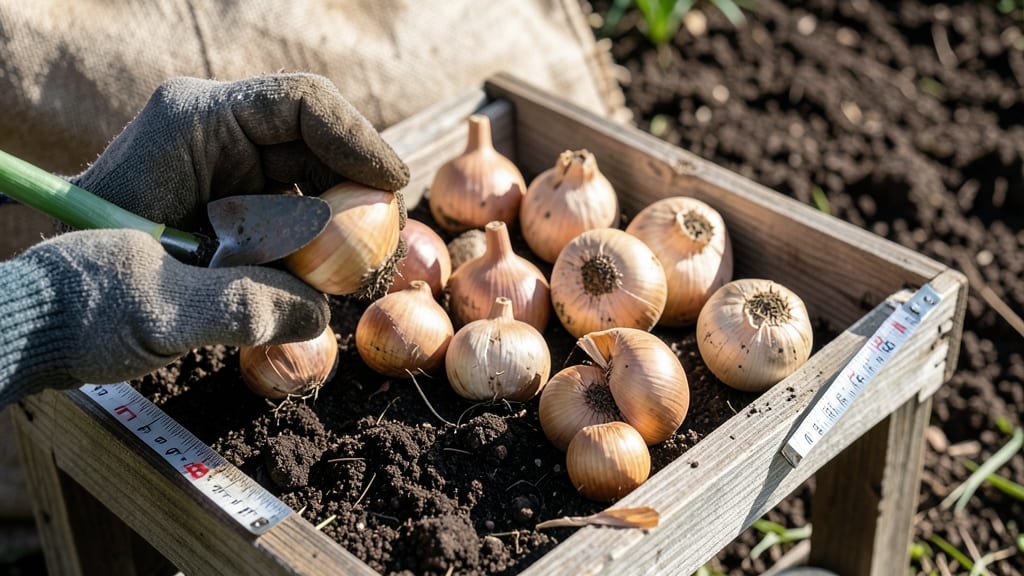
Timing bulb planting in New England can feel like a high-stakes guessing game—get it wrong, and you might end up with rotten bulbs or missed blooms. But with the right strategy, you can enjoy vibrant 🌷 displays year after year without the stress.
Most gardeners know fall is the prime time to plant bulbs like tulips and daffodils, but New England’s unpredictable frost dates make it tricky. Planting too early can lead to rot, while waiting too long risks bulbs not rooting before winter.
The key is understanding your local frost window and adjusting your schedule accordingly.
In this guide, I’ll break down the ideal planting windows for both fall and spring, including regional adjustments for zones 5a-6b. You’ll also learn how to prep your soil, choose the right bulbs for your area, and avoid common mistakes that sabotage blooms.
Whether you’re a seasoned gardener or just starting, these tips will help you plant with confidence—so you can enjoy a garden bursting with color come spring.
Fall bulb planting timeline in New England: month-by-month guide
New England’s fall bulb planting window is short but critical—get it wrong, and your tulips or daffodils may never bloom. The key is planting 6-8 weeks before the ground freezes, typically between mid-October and early November.
But since frost dates vary wildly (Maine’s first frost can hit by mid-October, while Connecticut may wait until early November), timing depends on your exact location.
For spring-flowering bulbs like tulips and hyacinths, fall planting is non-negotiable—they need cold stratification to bloom. Hardier bulbs like crocuses and alliums can handle later planting, even into December, but they’ll bloom later or smaller.
The soil temperature should drop to below 60°F (15°C) before planting to prevent rot.
Here’s your month-by-month breakdown for New England bulb planting, tailored to USDA Zones 5a-6b:
| Month | Planting Window | Best Bulbs to Plant | Soil Prep Tip | Last-Chance Date |
|---|---|---|---|---|
| September | Early September (Zones 6a-6b) | Tulips, Daffodils, Hyacinths | Add compost; loosen soil to 8 inches deep. | Mid-September |
| October | Ideal window: Mid-October | All spring bulbs (tulips, daffodils, alliums) | Mix in bone meal for phosphorus. | Early November (Zones 5a-5b) |
| November | Late November (Zones 6a-6b only) | Crocuses, Snowdrops, Late-Blooming Tulips | Plant shallowly (3x bulb height). | Ground freeze |
| December | Not recommended (risk of rot) | None (except hardy bulbs like snowdrops) | Wait until spring for most bulbs. | N/A |
Pro tip: Use a soil thermometer to check temperatures—plant when soil is below 60°F but hasn’t frozen yet.
In northern Maine (Zone 5a), aim for mid-October; in southern Connecticut (Zone 6b), you might squeeze in planting until early November. Daffodils are the most forgiving; tulips need precise timing.
If you miss fall planting, don’t panic—spring planting works for hardy bulbs like crocuses and snowdrops, but expect smaller blooms. For tulips and hyacinths, spring planting is a gamble unless you use a cooling trick (like refrigerating bulbs for 8 weeks before planting).
One common mistake? Planting bulbs too shallowly. The top of the bulb should sit 6-8 inches below soil—any shallower, and frost heaves will expose them. Use a bulb planter to dig holes to the right depth, or mark your shovel with tape for consistency.
After planting, water deeply to settle soil around bulbs, then mulch with 2-3 inches of straw to insulate them through winter. Avoid synthetic mulches like plastic, which can trap moisture and cause rot. In Zone 5a, add an extra 4-6 inches of mulch for extra frost protection.
Finally, resist the urge to fertilize in fall—bulbs need to store energy, not grow. Wait until early spring (after foliage emerges) to apply a balanced 5-10-10 fertilizer. This ensures your spring blooms are vibrant and healthy, not wasted on fall growth.
Timing your New England bulb planting right means waking up to a garden bursting with color by April or May. Follow this guide, and you’ll avoid the heartbreak of no blooms or rotted bulbs—just lush, reliable spring displays year after year. 🌷
Spring bulb planting alternatives: when and how to plant for late frost zones
If fall planting slips past your window or you’re dealing with late frost zones like southern New Hampshire or coastal Maine, don’t despair—spring planting can still yield stunning blooms. Hardy bulbs like crocuses, snowdrops, and scilla thrive when planted in early spring, often blooming within weeks of planting.
These varieties are built to tolerate light frosts and even snow, making them ideal for New England’s unpredictable spring weather.
The key to spring bulb success lies in soil temperature and moisture balance. Wait until the ground warms to at least 45°F (7°C)—test with your finger: if soil feels cool but workable, it’s time.
Planting too early in cold, wet soil risks rot, while waiting too long may delay blooms. Aim for March to early April in most of New England, adjusting slightly for your specific USDA zone (e.g., Zone 5a areas like northern Vermont may need to wait until late March).
⚠️ Spring Planting Warning
Planting spring bulbs too late (after April 15) risks blooms appearing after your last frost date, when summer heat arrives. Late-planted bulbs also struggle to establish roots before dormancy, reducing next year’s flowers.
✅ Pro Tip: Choose dwarf varieties (e.g., Alpine crocuses) for container gardens—they bloom faster and tolerate cooler soils.
Prepare your soil differently for spring planting. Work in compost or aged manure to replenish nutrients lost over winter, and avoid fresh organic matter, which can overheat soil.
Plant bulbs twice as deep as their height (e.g., 6 inches for a 3-inch bulb) to protect them from temperature fluctuations. Space them 3–4 inches apart to allow airflow and reduce disease risk.
Protect early bloomers from late frosts (common until mid-May in New England) with lightweight row covers or cloches. These create microclimates that trap heat without smothering plants. For containers, move them to a sheltered spot like a sunny porch or under a tree canopy during cold snaps.
Water deeply after planting and once weekly until blooms appear—spring rains often provide enough moisture, but containers dry out faster.
Expect smaller blooms the first year with spring planting, as bulbs focus on root establishment. However, subsequent years often produce vibrant, reliable blooms if you maintain well-draining soil and avoid cutting back foliage until it fully yellows.
For maximum impact, interplant spring bulbs with annuals or perennials that fill gaps as bulbs fade (e.g., pansies or heuchera).
Spring planting isn’t ideal for tulips or daffodils—these need fall’s chilling period to bloom—but it’s perfect for hardy alternatives like glory-of-the-snow (Chionodoxa) or grape hyacinths. These bulbs reward patience with early spring color when few other plants are blooming, brightening gardens just as winter’s grip loosens.