
Plants
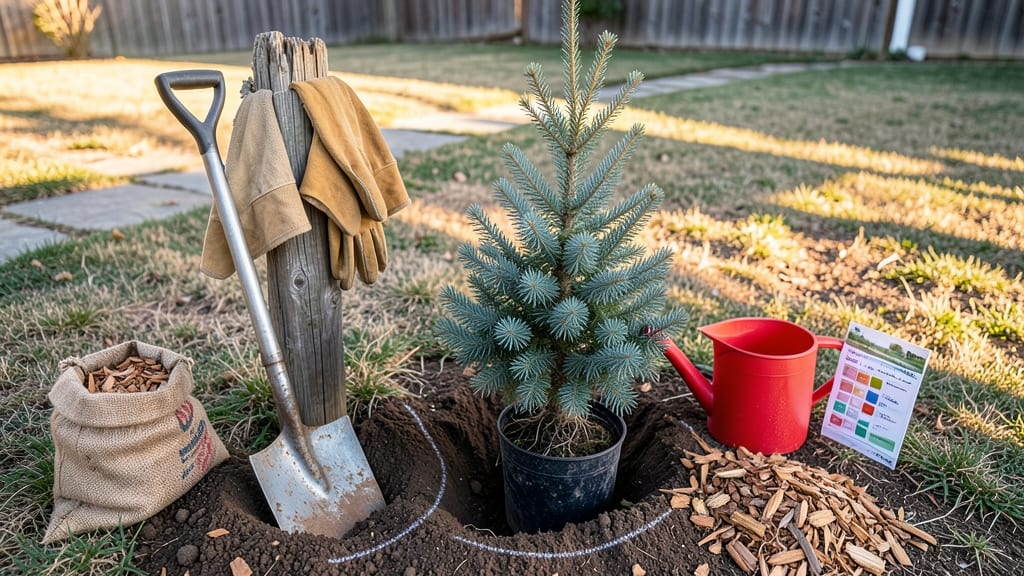
Planting a tree in Colorado at the wrong time can turn your $50 investment into a sad, stunted 🌳 that never reaches its full potential. With frost dates that shift by weeks between Denver and Durango, getting the timing right isn't just about picking a season—it's about reading your microclimate like a pro.
Most gardeners assume spring is the only safe bet, but Colorado's fall planting window (September-October) often gives trees a head start on root growth before winter. The key? Planting 6-8 weeks before your first frost—whether that's mid-September in the mountains or early November in the Front Range.
I'll break down exactly when to dig in your specific zone, which tree species play by different rules, and how to spot the warning signs of planting too late. Spoiler: It's not just about the calendar—soil temperature and rainfall patterns matter just as much.
By the end, you'll know the exact deadlines for your corner of Colorado and how to give your new 🌳 the best shot at becoming a decades-long neighbor—not a sad afterthought in your yard.
Colorado tree planting deadlines by elevation Zone (with microclimate exceptions)
Colorado’s elevation zones dramatically impact when you should plant trees—what works in Denver (5,280 ft) fails in Telluride (8,750 ft).
The Front Range (e.g., Boulder, Fort Collins) has earlier deadlines than the Western Slope (e.g., Grand Junction) due to warmer temperatures, while high-altitude areas like Steamboat Springs (6,800 ft) require later planting to avoid frost. Even within cities, urban heat islands can shift deadlines by 2–3 weeks.
For most Colorado regions, the ideal planting window is late winter to early spring (March–April) or fall (September–October). Bare-root trees must be planted while dormant, while container-grown trees offer more flexibility. However, soil temperature is the real deadline—roots need 40°F+ soil to establish before summer drought hits.
Below, I’ve broken down deadlines by elevation zone, including adjustments for microclimates like wind exposure, urban heat, and soil drainage. Use these as your planting calendar, but always double-check local frost dates using the Colorado Climate Center.
If you’re planting container-grown trees, you have more flexibility—these can go in the ground year-round except during extreme cold (below 0°F) or heat (above 90°F for prolonged periods). However, fall planting is ideal because trees focus on root growth before dormancy, giving them a head start in spring.
For bare-root trees, the window is tighter. Plant them as soon as soil is workable (no longer frozen) and before buds swell. In Colorado, this usually means March for low elevations and April–May for high elevations.
Soak roots in water for 1–2 hours before planting to reduce transplant shock.
One critical microclimate exception is urban heat islands, where pavement and buildings trap heat. In Denver or Colorado Springs, plant 2–3 weeks earlier than rural areas to avoid summer drought stress. Conversely, in windy areas (e.g., near open plains), delay planting until after April 15 to let soil warm.
Always test your soil’s moisture and temperature before planting. Stick a thermometer 6 inches deep—if it’s below 40°F, wait. For high-altitude sites, consider root-growth stimulants (like mycorrhizal fungi) to help roots establish in cooler soils.
Pro tip: Use a soil thermometer and monitor local frost forecasts via the National Weather Service. In Colorado, a late frost in May can kill newly planted trees, so don’t rush the process.
How to choose the perfect planting window for your Colorado tree species
Colorado’s diverse tree species each have their own ideal planting windows, and ignoring these can mean the difference between a thriving oak and a struggling sapling.
For example, aspen trees—native to Colorado—prefer early spring planting (March-April) when soil temperatures rise above 45°F, while blue spruce and pine species often handle fall planting better due to their drought tolerance.
Deciduous trees like maples and birches should go in the ground 6-8 weeks before your first frost, giving roots time to establish before winter dormancy. Evergreens, however, can sometimes be planted later in fall (even November in lower elevations) because their needle structure retains moisture better in cold snaps.
🌱 Pro Tip: Check your USDA Zone (Colorado ranges from Zone 4 in the mountains to Zone 7 in southern regions) and adjust timing accordingly.
For instance, a Zone 5 tree in Denver might need to be planted by October 15, while the same tree in Zone 7 (Alamosa) could wait until November 1.
- 🌿 Deciduous Trees (Oak, Maple, Aspen): March-April (spring) or September-October (fall)—avoid late fall to prevent frost damage.
- 🌲 Evergreens (Pine, Spruce, Fir): September-November (fall)—their needle structure handles cooler temps better.
- 🌷 Fruit Trees (Apple, Cherry, Pear): Late winter-early spring (February-March)—aligns with bud break and active root growth.
- 🌳 Shade Trees (Lindens, Elms): April-May (spring) or September (fall)—avoid summer heat stress.
Don’t rely solely on the calendar—soil temperature is your true guide. Use a soil thermometer to confirm the ground is at least 50°F for spring planting or 40°F for fall.
In Colorado’s high-altitude areas (like Eagle County), soil may stay cold longer, so push planting to late May for spring or mid-September for fall.
Rainfall patterns also play a role. In dry years (common in Colorado), prioritize fall planting so trees can establish roots before summer drought hits. Conversely, in wet springs, spring planting may be ideal to avoid waterlogged soil.
Before digging, verify local conditions with your Cooperative Extension office or a microclimate app like PlantNet. These tools account for urban heat islands, wind exposure, and even snowmelt timing—critical factors in Colorado’s varied landscapes.
With the right timing, your tree will reward you with strong root growth and decades of shade. ✂️