
Planting
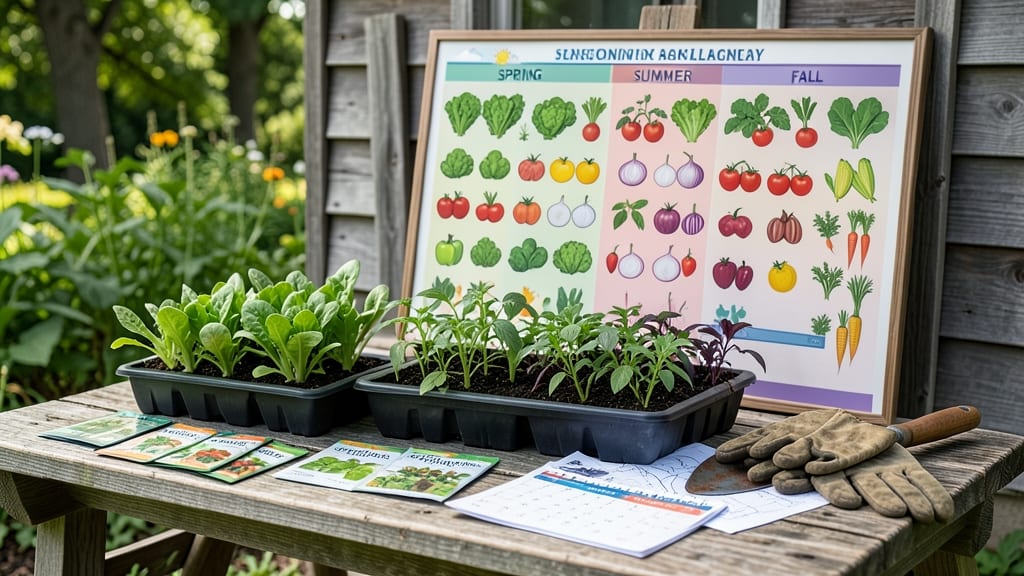
Missouri Zone 5b planting calendar: key dates for cool-season vs. warm-season crops
Missouri’s Zone 5b climate means gardeners must work with average last frost dates between March 15–April 15 and first frost dates from October 15–November 15. These windows determine whether your cool-season crops like lettuce and peas thrive or your warm-season crops like tomatoes bolt in the heat.
Understanding these planting deadlines is the difference between a garden full of life and one full of disappointment.
For cool-season vegetables, I start sowing as early as February indoors or March outdoors for hardy crops like kale and spinach.
Meanwhile, warm-season crops like tomatoes and peppers need to wait until after the last frost—typically mid-April to early May—when soil temperatures hit at least 60°F. Missing these windows can leave your plants vulnerable to late frosts or heat stress.
Here’s the breakdown you need to plan your Missouri vegetable garden like a pro:
For St. Louis and Kansas City, microclimates can shift these deadlines by 1–2 weeks. Urban areas often warm up faster, while rural spots may linger in frost longer.
I always check the Missouri Botanical Garden’s frost maps for real-time adjustments—because nothing ruins a garden faster than a surprise frost on tender seedlings.
If you’re starting seeds indoors, begin 6–8 weeks before the last frost for warm-season crops. For example, I kick off my tomato seedlings in mid-February to transplant them by early May. This head start ensures they’re strong enough to handle Missouri’s unpredictable spring showers and temperature swings.
For direct sowing, timing is equally critical. Cool-season crops like radishes can handle light frosts, so I plant them as early as late February under row covers.
Warm-season crops, however, need to wait until the soil is consistently above 60°F—usually late April to early May—or they’ll rot in cold, damp soil.
Pro tip: Use a soil thermometer to confirm temperatures.
I’ve seen pepper plants wilt because the soil was still too cool, even when air temps were warm. Warm-season crops like cucumbers and squash also need full sun (6+ hours daily), so choose your garden spot wisely—especially in Missouri’s shady microclimates.
Don’t forget about succession planting! For crops like lettuce and bush beans, I make 2–3 sowings throughout the season to ensure a continuous harvest. This strategy works especially well in Missouri’s short growing season, where summer heat can
How to adjust planting times for Missouri’s unpredictable weather patterns
Missouri’s last frost dates can swing wildly—some years as early as April 15 in southern regions, while northern areas may not see frost-free conditions until May 10. To beat the odds, I’ve learned to use flexible planting strategies that account for these shifts.
Start by checking your local USDA Plant Hardiness Zone (Zone 5b for most of Missouri) and monitor soil temperatures with a simple thermometer—aim for 40°F for cool crops and 60°F+ for warm-season plants.
For cool-season crops like lettuce or spinach, I always have seedlings ready by mid-March, just in case. If frost hits late, I’ll pop on row covers or move potted plants under hoop houses for temporary protection. This buffer gives me 2-3 weeks of wiggle room without sacrificing my harvest timeline.
- 📅 Start seeds indoors 4-6 weeks before your average last frost date (use grow lights for consistent germination).
- 🌡️ Use soil thermometers—warm-season crops like tomatoes need 60°F+ soil to thrive.
- 🛡️ Row covers extend cool-season growing by 2-3 weeks—ideal for late springs.
- 🌿 Succession planting every 2 weeks ensures continuous harvests, even if weather delays one batch.
- 🌱 Heat-tolerant varieties (e.g., Malabar spinach, Okra) handle Missouri’s 90°F+ summers better than standard crops.
When late springs push back planting, I prioritize fast-maturing crops like bush beans or radishes, which can go from seed to harvest in 30-40 days.
For warm-season crops, I’ll often start them in biodegradable pots and transplant after Memorial Day, even if it means a slightly later harvest. The key is balancing patience with opportunity—don’t wait too long, or pests like squash bugs will move in first.
Another trick I swear by? Planting a mix of early, mid, and late varieties of the same crop. For example, I’ll sow carrots in late April (early variety), early May (mid-season), and late May (slow bolt).
This way, I get harvests spread over 6-8 weeks, no matter what Mother Nature throws at me. Plus, it’s easier to manage pest pressure when crops aren’t all vulnerable at once.
For extended fall harvests, I use black plastic mulch to warm soil in early September and cold frames to protect greens like kale. This lets me harvest spinach until Thanksgiving in most years.
The secret? Plan backward—figure out your first frost date (usually October 31 in Missouri) and count backward from there to determine when to plant.
Finally, keep a gardening journal to track your local patterns. Note when soil warms up, when pests arrive, and how long your harvests last. Over time, you’ll spot trends—like if your tomatoes always struggle after a June heatwave—and adjust accordingly.
Missouri’s weather may be unpredictable, but with these strategies, you’ll outsmart it every time.