
Plants
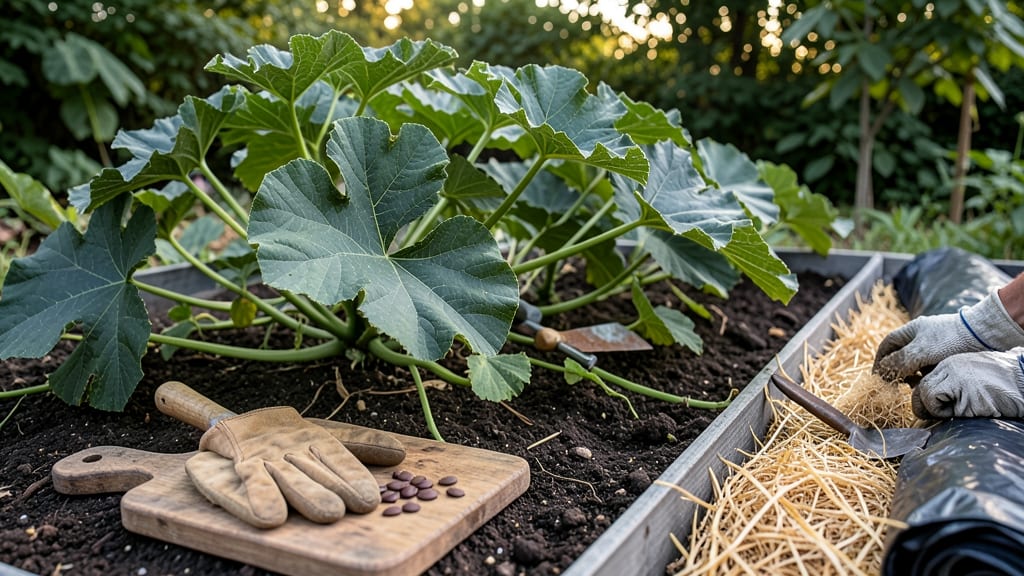
Planting acorn squash in Texas isn’t just about throwing seeds in the dirt—it’s about timing them perfectly to beat the heat and frost. Miss the window, and you’ll end up with bitter fruit or stunted vines.
The key lies in understanding your region’s last frost date, whether you’re in chilly North Texas or balmy South Texas.
For zero-frost success, most gardeners in zones 8a-10b should start seeds indoors by late February or direct-sow after early March. But here’s the twist: South Texas gardeners can begin as early as January, while North Texas may need to wait until late February to avoid surprise freezes.
I’ll break down the exact dates and tricks to maximize your harvest.
You’ll also discover how to prep your soil for Texas’ heavy clay, when to fertilize for sweet, dense fruit, and why some gardeners swear by black plastic mulch.
Whether you’re a first-time grower or a seasoned pro, these insights will help you avoid common pitfalls and grow plump, flavorful acorn squash every season.
Ready to transform your garden into a fall bounty? Let’s dive into the step-by-step guide that’ll have you harvesting 🎃 by October—no guesswork required.
Texas acorn squash planting calendar: frost-free windows by region
Texas’ diverse climate means acorn squash planting times vary dramatically from North Texas to South Texas. In Dallas/Fort Worth (Zone 8a), wait until late February to early March, while Houston gardeners (Zone 9a) can start as early as mid-January.
These differences are critical—plant too soon, and a surprise frost will kill seedlings; too late, and your harvest arrives during fall rains or first-frost events.
Your last frost date is your best guide. For North Texas, aim for after February 15; Central Texas (Austin/San Antonio) can plant by February 1; and South Texas (Corpus Christi) has a longer window until March 1. Soil temperatures should also reach 60°F+ for optimal germination and growth.
🌱
For North Texas gardeners, consider using black plastic mulch to warm the soil faster and extend your planting window by 2–3 weeks. This trick is especially helpful if you’re in Zone 8a, where cooler nights can delay germination.
In South Texas, where the growing season is longer, you can even squeeze in a late-summer planting (May) if you use shade cloth to protect seedlings from intense afternoon sun.
Always check the Texas A&M AgriLife Extension for your county’s specific frost dates—local microclimates can shift planting windows by weeks. For example, Hill Country areas may experience frost a week later than Austin’s urban heat island.
Use these dates as a baseline, but adjust based on your yard’s exposure to wind and cold air pockets.
If you’re direct sowing (planting seeds outdoors), aim for 4–6 weeks before your last frost date to ensure seedlings mature before cold snaps. For transplants, wait until soil is consistently above 60°F—this usually aligns with your last frost date or slightly after.
Seedlings are more delicate and can’t handle temperature swings.
🌡️
Pro tip: Start seeds indoors 3–4 weeks before your outdoor planting window if you’re eager to harvest earlier. Use biodegradable pots to avoid transplant shock when moving seedlings to the garden.
This method works especially well for Central Texas gardeners who want to beat the heat and harvest before October’s humidity peaks.
Remember, acorn squash needs 90–105 days to mature. If you plant too late, your fruit may not ripen before the first frost. Use this timeline to calculate your harvest window—aim for October–November in most of Texas, with South Texas extending into early December.
How to time acorn squash planting for maximum yield in Texas heat
Timing your acorn squash planting isn’t just about avoiding frost—it’s about beating Texas’ brutal summer heat while giving vines enough time to mature before the first chill.
In my garden, I’ve learned that direct sowing after the last frost date (not before!) gives the best results, especially in USDA zones 8a-10b. For North Texas, that means waiting until mid-March; for South Texas, you can start as early as late January.
If you’re transplanting seedlings, do it 2-3 weeks before your region’s last frost date. Seedlings need time to establish roots before the heat ramps up. I’ve found that black plastic mulch raises soil temperatures by 5-10°F, which is a game-changer in cooler zones like Dallas (8a).
Just lay it down 1-2 weeks before planting to warm the soil.
🌱 Key Planting Tips for Texas Heat
- Direct sow 1 inch deep, 2-3 feet apart—crowding leads to powdery mildew in humidity.
- Use well-draining soil (amend clay with compost) to prevent root rot from Texas downpours.
- Water deeply at the base (not overhead) to avoid fungal diseases like blossom-end rot.
- Plant near bush beans or nasturtiums to deter squash bugs—a Texas garden nemesis.
- For small spaces, trellis vines to save room and improve airflow.
Watering is where most Texas gardeners trip up. Acorn squash needs 1-2 inches of water weekly, but in 100°F+ heat, I double that to 2-3 inches every 2-3 days. The secret? Drip irrigation or soaker hoses keep roots moist without wetting leaves—critical for avoiding fungal infections.
I water early morning (before 10 AM) to let foliage dry before the afternoon heat sets in.
Don’t forget about soil prep. Texas clay holds moisture like a sponge but drains poorly. Mix in 3-4 inches of compost and a handful of perlite to improve drainage. A soil pH of 6.0-6.8 is ideal—test yours with a kit from your local Texas A&M AgriLife Extension.
If your soil is too alkaline, add sulfur or peat moss to sweeten it.
For a second harvest, try a late summer planting (August) with shade cloth to protect young plants from the worst heat. I’ve had success with ‘Table Queen’ variety, which matures in 85 days—just enough time to beat the first frost in most of Texas.
Just be prepared to harvest before October 15 in North Texas.
Pro tip: Mark your calendar for 75-90 days after planting—that’s when your squash will be ready. Watch for hard rinds and deep orange color (not pale green!). If you’re in South Texas (zone 10a), you might even get a winter harvest if you plant in September.