
Plants
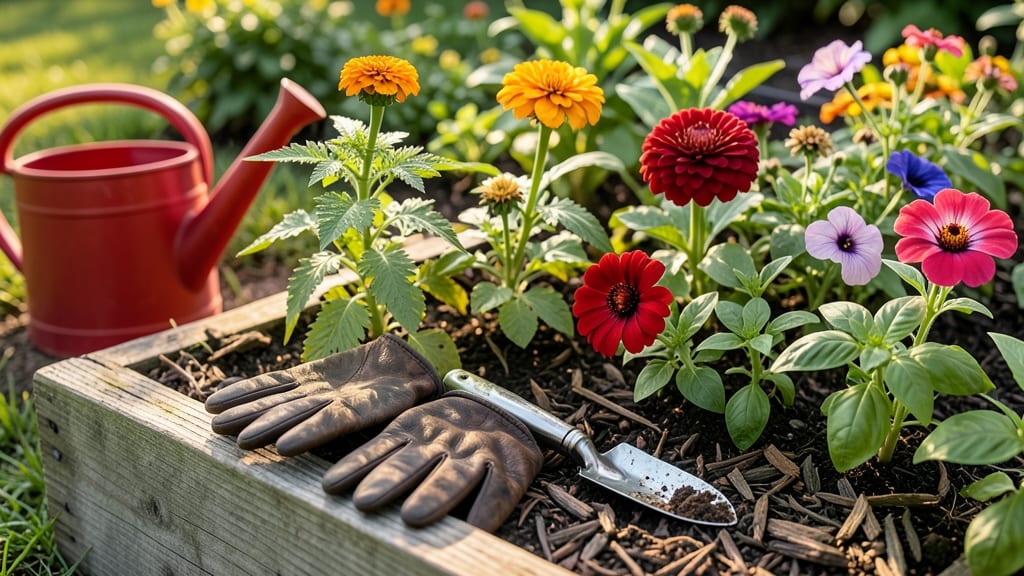
Timing your annuals planting in Maryland can make the difference between a vibrant garden and a sad, wilted disappointment.
The state’s shifting microclimates—from the Chesapeake’s humidity to the Appalachian chill—mean your perfect planting window might be weeks apart from your neighbor’s. Whether you’re dreaming of marigolds or petunias, getting this right ensures your 🌱 blooms thrive, not just survive.
Most gardeners assume "spring" means one-size-fits-all, but Maryland’s USDA zones stretch from Zone 6 to Zone 8, creating wildly different frost dates. Plant too early, and your seedlings could get fried by a late frost; too late, and summer heat will stress them before they even sprout.
I’ll break down the exact windows for cool-season and warm-season annuals, so you never guess again.
Here’s the game-changer: Maryland’s last frost dates vary by region—think mid-April in the DC metro but early May in Garrett County. We’ll cover when to start seeds indoors, when to transplant, and even how to stretch your season with simple tricks.
No more second-guessing—just confident planting that leads to months of color.
Ready to transform your garden? Let’s dive into the ideal schedules for Maryland’s three key zones, plus pro tips to avoid common mistakes like bolting or leggy seedlings. Your annuals deserve better than a gamble—let’s make them thrive.
Maryland’s last frost dates by region: your annual planting deadlines
Maryland’s last frost dates can swing by 2-3 weeks depending on whether you’re gardening near the Chesapeake Bay or the Appalachian foothills. These dates mark the cutoff for planting cool-season annuals like pansies and the safe window for warm-season favorites such as marigolds.
Below, I’ve broken down the average last frost dates by Maryland’s five key regions, using data from the Maryland Extension Service and NOAA, so you can plan your garden with confidence.
For cool-season annuals (e.g., lettuce, snap peas), you can start seeds 6-8 weeks before your region’s last frost date. Meanwhile, warm-season annuals (e.g., tomatoes, zinnias) should wait until 2 weeks after the last frost to avoid chilly soil shocking their roots. Let’s dive into the specifics for your area.
Pro Tip: Use these dates as a starting point, not a rule. Check your local microclimate—urban areas like Baltimore often warm up faster than rural spots, while valleys can stay colder longer. For extra safety, keep a frost cloth handy to protect tender seedlings.
| Region | Avg. Last Frost Date | Plant Cool-Season Annuals | Plant Warm-Season Annuals | Notes |
|---|---|---|---|---|
| Baltimore/DC Metro | April 15 | March 15-April 15 | May 1-June 1 | Urban heat islands warm up faster. |
| Eastern Shore | April 10 | March 10-April 10 | April 25-May 15 | Cooler coastal breezes delay warming. |
| Piedmont (Frederick, Hagerstown) | April 22 | March 20-April 20 | May 10-June 1 | Moderate climate; watch for late frosts. |
| Western MD (Cumberland, Garrett Co.) | May 5 | April 1-May 1 | May 20-June 10 | Higher elevations stay colder longer. |
| Chesapeake Bay (Annapolis, Solomons) | April 12 | March 10-April 12 | April 30-May 10 | Bay influence creates unique microclimates. |
If you’re planting warm-season annuals like petunias or zinnias, aim for 2 weeks after your region’s last frost date. Soil temperature matters just as much as air temperature—wait until the ground reaches at least 60°F for most annuals.
Use a soil thermometer to check, especially in Western Maryland, where cooler soils can delay planting by weeks.
For cool-season annuals, you can start seeds indoors 4-6 weeks before your last frost date. Harden off seedlings by placing them outdoors for 2-3 hours daily starting 1 week before transplanting. This gradual transition helps them adjust to outdoor conditions and reduces shock.
Don’t forget about fall planting! Many annuals, like pansies and calendula, thrive in cooler weather. Plant these 6-8 weeks before your first frost (typically October 15-November 1 in Maryland). This gives them time to establish roots before winter sets in.
Watch for false springs—those warm spells in March or April that trick you into planting early. A late frost can wipe out tender seedlings overnight. To stay safe, sign up for local frost alerts from the National Weather Service or use a frost blanket for extra protection.
Finally, if you’re in USDA Zone 7a or 7b (most of Maryland), remember that microclimates rule. A south-facing slope warms up faster than a shady corner, so adjust your planting dates accordingly.
For example, marigolds in a sunny spot might be ready 1 week earlier than those in partial shade.
Use this timeline as
Best annuals to plant in Maryland’s spring vs. fall: microclimate-specific picks
Maryland’s spring and fall planting seasons offer two prime opportunities to grow vibrant annuals, but the right varieties depend on your microclimate. Coastal areas like Chesapeake Bay stay warmer longer, while inland Piedmont regions face earlier frosts.
Let’s break down the best annuals for each season, tailored to Maryland’s unique growing conditions.
For spring planting, focus on heat-tolerant annuals like cosmos and zinnia, which thrive in Maryland’s warm summers. In contrast, fall planting favors cool-season bloomers such as pansies and calendula, which handle the region’s crisp autumn air. Here’s how to choose the perfect annuals for your garden.
🌱 Spring Annuals: These varieties handle Maryland’s humid summers and hot afternoons with ease. Start seeds indoors 6-8 weeks before your last frost date, or buy transplants ready to go when soil warms to 60°F+. Marigolds and sunflowers are top picks for their drought tolerance and pollinator appeal.
Spring Annuals for Maryland
✅ Thrives in hot, dry conditions
✅ Drought-resistant once established
✅ Attracts butterflies and bees
✅ Long bloom season (summer-fall)
✅ Cut-flower favorite for bouquets
⚠️ Needs full sun to prevent bolting
✅ Shade-tolerant varieties available
✅ Prolonged blooms with deadheading
⚠️ Wilts in extreme heat without afternoon shade
✅ Cool-season starter for early spring
✅ Fragrant blooms attract pollinators
⚠️ Bolts in heat—plant in partial shade
Best for Maryland’s USDA Zones 6b-7b and humid summers.
If you’re planting for fall color, prioritize cool-season annuals that tolerate Maryland’s early frosts. Pansies and violas are hardy down to 25°F, making them perfect for September-October sowing.
For humidity-prone areas like the Eastern Shore, opt for calendula or stock, which resist fungal diseases in Maryland’s damp autumns.
For Western Maryland’s cooler microclimates (e.g., Garrett County), extend your fall season by choosing kale or ornamental cabbage—they add winter interest and tolerate light frosts. In coastal regions, where winters are milder, you can push the envelope with dianthus or sweet alyssum for early spring blooms.
Pro tip: Use mulch to insulate soil and row covers to protect tender annuals during unexpected late frosts. For container gardens, choose compact varieties like bacopa or lobelia, which thrive in Maryland’s summer heat without sprawling.
Remember, succession planting is key in Maryland’s short growing seasons. Sow fast-growing annuals like bush beans or radishes every 2-3 weeks to ensure continuous blooms or harvests. This strategy works especially well for heat-loving annuals that bolt quickly in Maryland’s 90°F+ summers.