
Plants
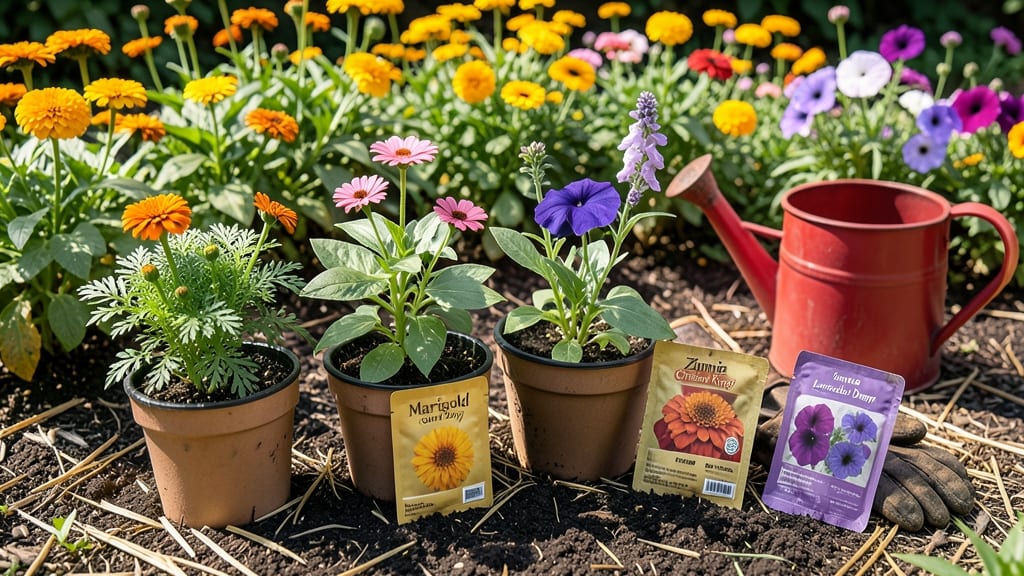
Timing your annuals planting in Massachusetts can mean the difference between a garden bursting with color and one that fizzles before summer even begins.
With frost dates creeping in by October and a growing season that’s shorter than you’d think, knowing exactly when to plant your 🌸 favorites is the key to success.
Let’s be real—skipping the frost-free deadline by even a week can leave your seedlings wilting before they’ve had a chance to thrive. But here’s the good news: Massachusetts gardeners in zones 5b-6b have two prime windows to work with—spring and late summer—each with its own set of star players.
In this guide, I’ll break down the exact planting schedule for your region, from mid-April (when the last frost typically passes) to July-August (for fall bloomers).
Whether you’re sowing cool-season veggies or heat-loving flowers, you’ll learn how to stretch your garden’s potential and avoid common pitfalls that derail even the greenest thumbs.
Ready to transform your yard into a summer-long showstopper? Let’s dive into the frost-free deadlines, variety-specific tips, and the secrets to keeping your annuals looking their best all season long.
Massachusetts frost-free dates by planting Zone: exact deadlines for annuals
Massachusetts spans USDA Zones 5b through 7a, meaning frost dates vary dramatically from coastal areas to inland valleys. For annuals, timing is critical—plant too soon, and a surprise frost will kill tender seedlings.
Too late, and you’ll miss peak blooms or harvests. Let’s break down the exact frost-free deadlines by zone, including adjustments for heat zones and microclimates like urban heat islands or sheltered valleys.
In Zone 5b (Western MA, Berkshires), the average last frost date is May 15, but cooler microclimates may delay it to May 30. Zone 6a (Central MA, Worcester) typically sees frost-free conditions by May 1, while Zone 7a (Cape Cod, Nantucket) can plant as early as April 15.
However, these are averages—always check local almanac records or use a frost calculator for your exact location.
For cool-season annuals like pansies or lettuce, you can start seeds indoors 6-8 weeks before the last frost (late February to early March). Warm-season annuals, such as tomatoes or marigolds, need soil temperatures above 60°F—usually 2-4 weeks after the last frost.
This means waiting until late May to early June in most of Massachusetts.
Here’s a quick reference for key planting windows by zone and plant type:
| Zone | Last Frost Date | Cool-Season Planting Window | Warm-Season Planting Window | Soil Temp Threshold |
|---|---|---|---|---|
| 5b (Western MA) | May 15–30 | March 15–April 15 (indoors) | June 1–15 | 50°F+ (cool) / 60°F+ (warm) |
| 6a (Central MA) | May 1 | March 1–April 1 (indoors) | May 15–June 1 | 50°F+ (cool) / 60°F+ (warm) |
| 7a (Coastal MA) | April 15 | February 15–March 1 (indoors) | May 1–15 | 50°F+ (cool) / 60°F+ (warm) |
Microclimates can shift these dates by 1-3 weeks. For example, Boston’s urban heat island may allow planting 1 week earlier than rural areas, while valleys like the Connecticut River Valley can be 2 weeks later due to cooler air pooling.
Use a minimum thermometer to monitor nighttime temperatures—if they dip below 32°F, protect seedlings with frost cloth or row covers.
Pro tip: Succession planting extends your harvest. For warm-season veggies like bush beans or zucchini, sow seeds every 2 weeks until July 15. This ensures a steady supply even if early plantings bolt in the heat.
For flowers, stagger petunia or geranium plantings every 3 weeks to avoid a single peak of blooms.
Don’t forget fall annuals! Cosmos, zinnias, and marigolds thrive when planted in late July to early August. These heat-tolerant varieties will bloom until the first frost, often into October or November in sheltered spots.
Just like spring, time your fall planting so flowers mature before first frost dates, which range from October 15 (Zone 7a) to November 1 (Zone 5b).
To track your local frost dates, bookmark the Massachusetts Climate Averages from the National Oceanic and Atmospheric Administration (NOAA) or use apps like Frost Freeze. These tools provide historical data and forecasts tailored to your ZIP code. With these deadlines in hand, you’ll never miss a planting window again!
🌱
Best annuals to plant in Massachusetts by month: heat-tolerant vs. cold-hardy varieties
Massachusetts’ short growing season demands smart choices—planting the right annuals at the right time means vibrant blooms and bountiful harvests. Cool-season annuals like pansies and snap peas thrive in spring, while heat-loving varieties such as zinnias and basil need warm soil to flourish.
Below, I break down the best annuals to plant each month, tailored to MA’s climate zones.
For April and May, focus on cold-hardy annuals that tolerate light frosts. These include pansies, sweet peas, and lettuce, which can handle temperatures down to 25°F.
Start seeds indoors in late March for a head start, then transplant after the last frost—typically mid-April in most of MA. Succession planting is key here: sow lettuce every 2 weeks for continuous harvests.
🌱 Monthly Planting Guide for Annuals in Massachusetts
- April-May: Pansies, Sweet Peas, Lettuce, Spinach (25-60°F)
- June-July: Marigolds, Zinnias, Basil, Tomatoes (60-80°F)
- August-September: Cosmos, Sunflowers, Kale, Arugula (50-75°F)
💡 Pro Tip: Use row covers for early spring plantings to protect from unexpected frosts.
June and July are prime time for warm-season annuals like tomatoes, peppers, and marigolds.
These need soil temperatures of at least 60°F to germinate, so wait until late May (or after Memorial Day) to plant. Succession planting works here too—sow fast-growing varieties like bush beans every 2 weeks to extend your harvest.
Mulch heavily to retain moisture and prevent soil crusting, which can stunt young seedlings.
Don’t overlook late-summer and fall annuals like cosmos, sunflowers, and kale.
These thrive in cool evenings and can be planted as early as mid-July for a stunning autumn display. Sunflowers sown in August will bloom just in time for fall festivals, while kale and arugula add color and texture to your garden right up until frost.
For containers, choose compact varieties like dwarf sunflowers or bush nasturtiums to maximize space.
Urban gardeners and those with limited space can still enjoy annuals by opting for container-friendly varieties. Petunias, geraniums, and cherry tomatoes thrive in pots and can be planted as early as mid-May (after frost risk passes).
Use self-watering containers to prevent drought stress, and place them in south-facing locations for maximum sunlight. Remember, container soil dries out faster—check moisture daily during heatwaves.
Timing isn’t just about the calendar—it’s also about soil temperature. Use a soil thermometer to confirm warmth before planting warm-season crops.
For example, tomato seeds won’t germinate below 55°F, so wait until late May in Zone 5b (common in western MA) or early May in Zone 6b (southeastern MA). Adjust your planting schedule based on microclimates—urban areas may warm up faster than rural spots.
By matching your annuals to MA’s monthly temperature swings, you’ll avoid common pitfalls like frost damage or stunted growth. Start with cool-season stars in spring, transition to heat-lovers in summer, and finish with fall favorites for a garden that stays lively all season long. Happy planting! 🌻