
Plants
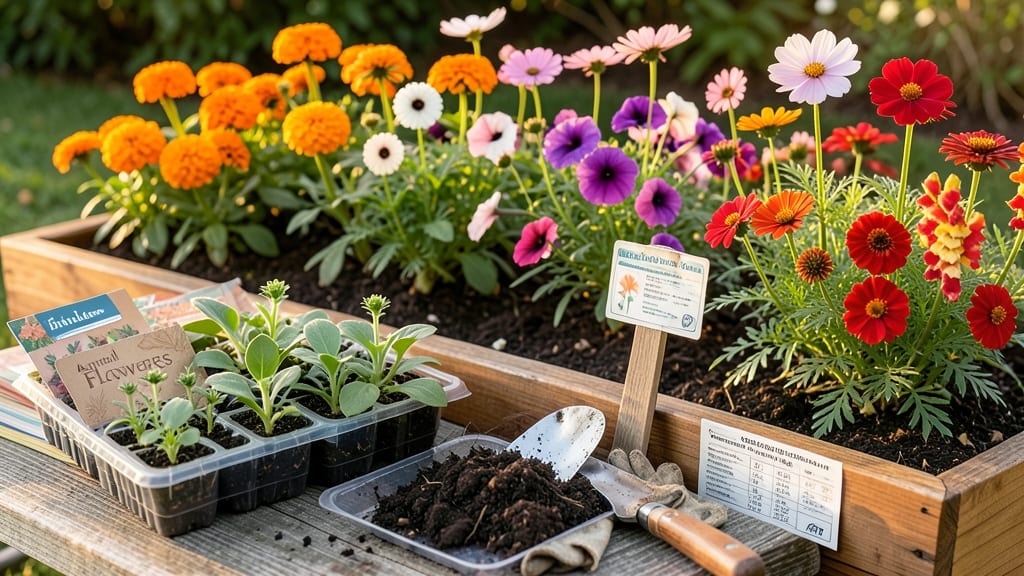
Knowing when to plant annuals in Ohio can mean the difference between a garden bursting with color and one that fizzles before summer even arrives.
Ohio’s unpredictable spring weather—where frost can linger into May in some areas while others warm up by April—makes timing everything for 🌱 annuals like marigolds, zinnias, and lettuce.
If you’ve ever watched your seedlings wilt overnight after a surprise frost or struggled to keep warm-season plants alive through a scorching June, you’re not alone. The secret lies in Ohio’s 12 heat zones, each with its own last-frost averages and ideal planting windows.
Whether you’re in chilly USDA Zone 5 or milder Zone 6, getting the timing right ensures your garden thrives—not just survives.
In this guide, I’ll break down exactly when to plant cool-season vs. warm-season annuals across Ohio’s regions, plus pro tips for extending your growing season with row covers and succession planting. No more guessing—just a foolproof plan to turn your Ohio garden into a showstopper.
Ready to unlock the best planting schedule for your zone? Let’s dive into the data that’ll help you avoid common mistakes and keep your annuals blooming all season long.
Ohio’s last frost dates by heat Zone: planting windows for annual flowers & vegetables
Ohio’s last frost dates vary dramatically from the southern border to the northern lakes, making a one-size-fits-all approach risky. The Buckeye State spans USDA Hardiness Zones 5-6, with frost-free dates ranging from early April in Cincinnati to mid-May near Toledo.
These differences mean your neighbor’s marigold might bloom weeks before yours if they’re just 50 miles away!
To avoid frost damage or wasted seed packets, I rely on Ohio State University’s historical frost data, which tracks 30-year averages for 12 distinct heat zones.
For example, Columbus (Zone 6a) typically sees its last frost around April 15th, while Youngstown (Zone 5b) often waits until May 1st. These dates separate cool-season crops (like peas and spinach) from warm-season powerhouses (tomatoes and basil).
Here’s the critical rule: Wait until soil temperatures hit 50°F (10°C) for cool-season plants and 60°F (16°C) for warm-season stars. A soil thermometer is your best friend—planting too soon leads to stunted growth or rotten roots from cold soil.
Pro tip: Use row covers or black plastic mulch to warm the soil faster in chilly zones.
🌱
| Heat Zone | Last Frost Date | Cool-Season Planting Window | Warm-Season Planting Window | Example Cities |
|---|---|---|---|---|
| Zone 5a (Northern) | May 10–20 | April 1–15 (with covers) | May 25–June 10 | Toledo, Cleveland |
| Zone 5b (North-Central) | April 25–May 5 | March 25–April 10 | May 10–20 | Akron, Mansfield |
| Zone 6a (Central) | April 10–20 | March 15–April 5 | April 25–May 10 | Columbus, Dayton |
| Zone 6b (Southern) | March 25–April 5 | February 25–March 15 | April 10–20 | Cincinnati, Lexington |
Note: Adjust dates 1–2 weeks earlier for urban areas (heat islands) or later for high-elevation spots.
For cool-season annuals like lettuce, kale, and pansies, I start seeds indoors 6–8 weeks before the last frost. Harden them off and transplant when soil is 45°F (7°C).
Meanwhile, warm-season stars (tomatoes, peppers, zinnias) need to wait until after the last frost—planting too early stunts their growth. My trick? Use biodegradable pots to avoid transplant shock when moving tender starts outdoors.
Ohio’s first frost dates in fall (typically October 15–November 15) signal the end for most annuals, but don’t rush to pull them! Many, like cosmos and marigolds, add late-season color and even repel pests for next year’s perennials.
I always leave them until black frost (killing frost) hits to maximize their benefits.
If you’re unsure about your zone, Ohio State’s Interactive Frost Map (link in resources) lets you pinpoint your exact last frost date. Bookmark it—it’s my go-to for precision planting.
For example, in Zone 5a, I plant marigolds in early May, but in Zone 6b, they’re happy by mid-April. The same plant, different timing!
🌿
Don’t forget succession planting! In Ohio’s short growing season, I stagger plantings every 2–3 weeks for bush beans and radishes to ensure a continuous harvest. For instance, if I plant a batch of
How to adjust planting times for Ohio’s microclimates: urban vs. rural differences
Ohio’s diverse microclimates mean your last frost date could differ by 2 weeks from your neighbor’s—especially if they live in the city while you’re in the countryside.
Urban areas like Columbus and Cleveland trap heat, delaying frosts by 7-14 days, while rural zones near Lake Erie or Appalachian foothills can freeze earlier. Understanding these shifts helps you avoid frost damage or wasted seed packets.
For example, a south-facing urban garden in Cincinnati might see its last frost 2 weeks later than a north-facing rural plot in Athens. This isn’t just theory—Ohio State University’s frost maps show 10+ day variations across the state.
Use these differences to your advantage by planting heat-loving annuals like marigolds or tomatoes earlier in cities and cool-season crops like spinach later in cooler rural areas.
| Microclimate Type | Last Frost Date Shift | Ideal Planting Adjustment | Example Ohio Location |
|---|---|---|---|
| Urban Heat Island | 7–14 days later | Plant warm-season annuals (tomatoes, peppers) 2 weeks earlier | Columbus, Cincinnati |
| Lake Effect (Near Great Lakes) | 3–7 days earlier | Delay cool-season crops (lettuce, kale) by 1 week | Cleveland, Toledo |
| Rural/High Elevation | 5–10 days earlier | Use row covers for early spring planting | Athens, Zanesville |
| Valley Areas (e.g., Scioto River) | 2–5 days later | Extend fall planting by 10 days | Chillicothe, Steubenville |
To pinpoint your exact microclimate, check local weather stations or use Ohio State University’s frost probability tool. For instance, Akron’s last frost average is April 15, while nearby Canton’s can be April 22.
This 1-week gap might mean the difference between blooming marigolds and wilted seedlings. Pro tip: Plant test rows of fast-growing radishes 2 weeks apart to gauge your soil’s readiness.
Don’t overlook wind exposure—gardens near open fields or large bodies of water experience colder microclimates than sheltered spots. If your yard faces northwest winds, opt for windbreak plants like bamboo or evergreen shrubs to protect tender annuals.
Even a 6-foot-tall fence can add 2-3°F warmth to your planting zone.
For late-season planting, leverage urban heat advantages. In Toledo, I’ve successfully grown basil until October 15 by planting near dark pavement or black mulch, which absorbs heat.
Conversely, in rural Appalachian Ohio, I switch to cold-hardy annuals like pansies or snapdragons to extend color into November. Adjust your schedule based on whether your microclimate traps heat or accelerates cooling.
When in doubt, start seeds indoors 4–6 weeks before your average last frost and transplant after Memorial Day. This buffer period accounts for unpredictable late frosts while ensuring your annuals mature before summer’s brutal heat sets in.
For real-time updates, bookmark the Midwestern Regional Climate Center’s frost data—it’s a game-changer for Ohio gardeners.