
Trees
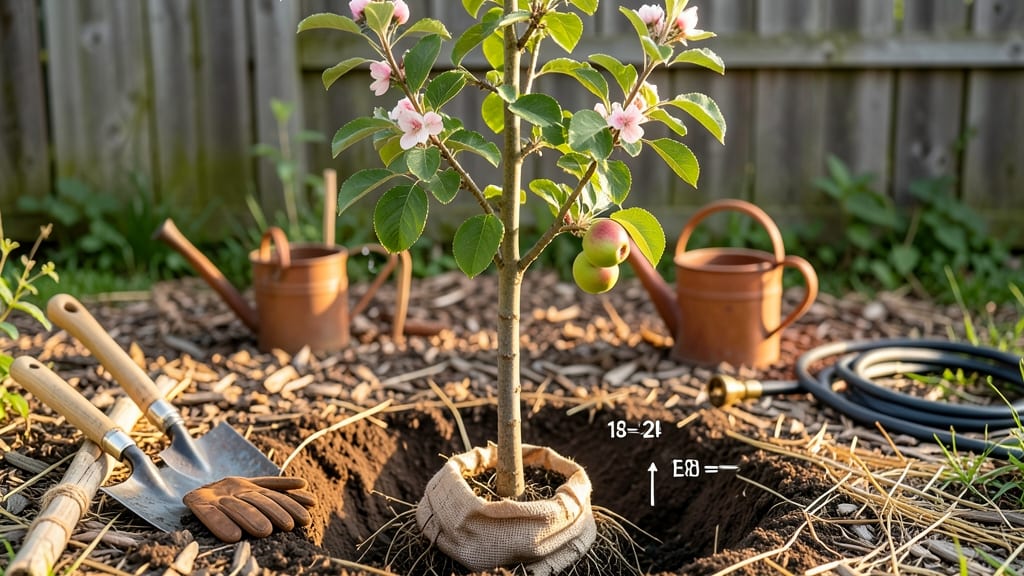
Timing is everything when it comes to planting apple trees in Illinois—get it wrong, and you might end up with a struggling tree or no fruit at all.
Whether you're a first-time gardener or a seasoned orchard keeper, knowing the best months to plant your 🍎 can make the difference between a thriving tree and a disappointing one.
In Illinois' USDA Zones 5-6, where winters can be harsh and summers unpredictable, planting in early spring or fall gives your tree the best chance to establish strong roots before extreme weather hits.
But here's the catch: bare-root trees and container-grown varieties have slightly different ideal windows, and soil temperatures play a bigger role than you might think.
I'll break down exactly when to plant—whether you're in Chicago's cooler microclimate or southern Illinois' warmer stretches—so you can avoid common mistakes like planting too early when frost still lingers or too late when winter sets in.
You'll also discover how to match your favorite apple varieties to your local chill hours for maximum fruit production.
Ready to set your 🍎 up for success? Let's dive into the science and practical tips that will have you harvesting juicy apples in just a few years—no guesswork required.
Best planting months for apple trees in Illinois hardiness zones
Illinois spans USDA Zones 5-6, where timing is everything for apple tree success. Planting too early risks frost damage, while waiting too late can stunt root growth. The ideal window is early spring (March-April) or fall (September-October), when soil temperatures hover between 40-50°F—perfect for root establishment.
Northern Illinois (Zones 4-5) has colder winters, so fall planting is riskier due to early frosts. Southern Illinois (Zones 6-7) can extend planting into late October, but avoid planting when frost is forecasted within 2 weeks.
Always check your last frost date—Illinois’ average ranges from April 15 (north) to May 1 (south).
| Zone | Best Planting Months | Soil Temp (°F) | Frost Risk |
|---|---|---|---|
| 4-5 (North) | March-April (spring only) | 40-50°F | High (plant after last frost) |
| 5-6 (Central) | March-April or Sept-Oct | 45-55°F | Moderate (avoid late fall) |
| 6-7 (South) | Feb-April or Sept-Nov | 50-60°F | Low (extend fall window) |
Spring planting gives trees 6-8 weeks of growing season before summer heat, while fall planting lets roots establish before winter dormancy. For bare-root trees, plant as soon as soil is workable—don’t let roots dry out. Container-grown trees offer more flexibility but need consistent moisture during transplant.
In Zone 5 (Chicago area), aim for mid-April planting—soil warms to 50°F by late April, reducing frost risk. Southern Illinois (Zone 6-7) can plant Honeycrisp or Fuji as early as February if using mulch for insulation.
Always amend soil with compost to improve drainage—Illinois’ clay-heavy soil can suffocate roots.
Pro tip: Use a soil thermometer to confirm 45°F+ soil temps before planting. Cold soil slows root growth, increasing transplant shock. If planting in fall (Sept-Oct), water deeply before first frost to build root reserves. Mulch with straw to insulate roots during winter.
Northern Illinois gardeners should prioritize cold-hardy varieties like McIntosh or Cortland, while southern growers can try Gala or Golden Delicious. Always space trees 20-25 feet apart for airflow—crowding increases disease risk. Stake young trees to prevent wind damage during Illinois’ unpredictable spring storms.
Missed the ideal window? Container-grown trees can be planted in May or even June, but expect slower establishment. Water deeply 2-3 times per week the first season to compensate. For bare-root trees, never plant after October 15—roots won’t harden before winter.
Check Illinois Extension’s frost maps for your county—some areas (like Rockford or Decatur) have 2-3 weeks earlier last frost dates than Chicago. Local nurseries often stock zone-matched varieties, so ask for “Illinois-adapted” apple trees to ensure chill-hour compatibility.
Remember: Root growth > top growth in the first year. A tree planted in ideal conditions will focus energy on roots, not fruit—leading to healthier, more productive trees for years to come. 🌱
Pro tips for fall vs. spring planting in Illinois climates
Illinois' variable winters and changing frost dates make planting timing critical for apple trees. While both fall and spring offer advantages, each season demands different prep work to ensure your tree thrives. Let’s break down the pros and cons so you can choose the best window for your orchard.
Spring planting (March–April) aligns perfectly with soil warming and active root growth. The ground thaws, allowing roots to establish before summer heat sets in. However, late frosts can still pose risks if you plant too early. Bare-root trees planted in spring need consistent moisture to prevent transplant shock.
Fall planting (September–October) gives roots time to acclimate before winter, reducing shock when buds swell in spring. But Illinois’ unpredictable cold snaps mean fall-planted trees need extra mulch protection (4–6 inches of straw or wood chips) to insulate roots. Container-grown trees handle fall planting better than bare-root varieties.
Spring Planting
- Warmer soil promotes faster root growth
- Longer growing season for establishment
- Less frost risk after April 15
- Late frost can damage new shoots
- Drought stress if spring turns dry
- Limited fall prep for winterizing
Fall Planting
- Cooler temps reduce transplant shock
- Established roots before spring growth
- Wider tree selection in nurseries
- Winter cold can stress young roots
- Frost heave risk in freeze-thaw cycles
- Limited time for root establishment
For northern Illinois (Zones 4–5), prioritize fall planting to avoid spring’s late frosts. In southern Illinois (Zones 6–7), spring planting often yields better results due to milder winters. Always check local frost dates from the Illinois Extension before planting.
If you choose fall planting, water deeply before the ground freezes and apply a 4-inch mulch layer to protect roots. For spring planting, amend soil with compost and install a tree guard to deter voles. Both methods require well-draining soil—test your site’s pH (ideal: 6.0–7.0) before digging.
Pro tip: Container-grown trees can be planted in late fall (November) or even early spring (February), as their roots aren’t exposed. But bare-root trees planted in late fall risk winter damage—stick to September–early October for best results.
Remember, timing isn’t everything—proper soil prep and aftercare matter just as much. Whether you plant in spring or fall, monitor your tree’s progress and adjust watering as needed. With the right approach, your apple tree will reward you with years of harvests! 🍏