
Trees
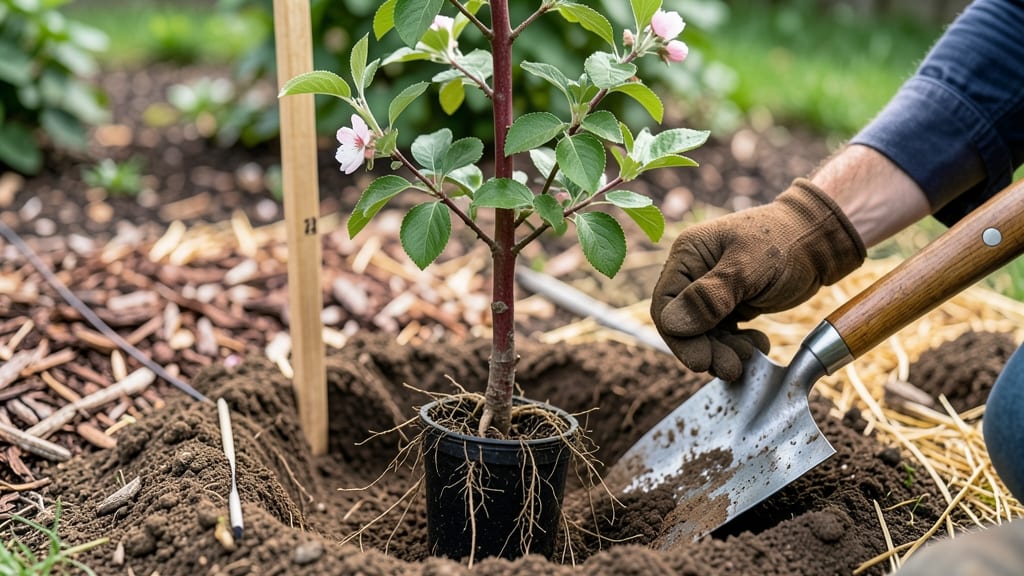
Planting an apple tree 🍎 in Indiana at the wrong time could mean the difference between a thriving orchard and years of disappointment.
With Indiana’s USDA Zone 6a climate, timing isn’t just about the calendar—it’s about avoiding frost damage and giving roots the best chance to establish before summer heat hits.
Most gardeners assume spring is the only window, but early fall planting actually gives young trees a head start on root growth before winter dormancy. The key is planting between March and April for spring or September and October for fall, when soil temperatures are cool but still workable.
I’ve seen firsthand how a poorly timed planting can leave trees struggling—especially in Indiana’s unpredictable weather. Whether you’re working with bare-root saplings or container-grown varieties, understanding the dormant season and frost risks makes all the difference in long-term success.
In this guide, I’ll break down the exact planting windows, soil prep tips, and variety recommendations to help your apple tree grow strong from day one. Let’s get those roots established the right way.
Best planting months for apple trees in Indiana’s USDA Zone 5-6
Indiana’s USDA Zone 5-6 climate means timing is critical for apple tree success. Planting at the wrong time can lead to weak root systems or frost damage. The best windows are early spring (March-April) or early fall (September-October), when soil is workable but not frozen.
Spring planting gives roots time to establish before summer heat, while fall planting allows roots to grow before winter dormancy. Both times avoid the extreme temperature swings of late winter or late fall that can stress young trees.
The last average frost date in Indiana is around April 15, so planting after this ensures no surprise freezes. For fall, aim to plant at least 4-6 weeks before the first frost (typically mid-October) to give roots time to harden off.
Container-grown apple trees offer more flexibility—they can be planted year-round in Indiana, but spring or fall still give the best results. Bare-root trees, however, must be planted dormant to prevent shock.
🌱
📅 Indiana Apple Tree Planting Timeline
| Season | Best Planting Window | Soil Temp | Key Consideration |
|---|---|---|---|
| Early Spring | March - April | 40-50°F | Avoids frost risk; roots establish before summer |
| Late Fall | September - October | 50-60°F | Roots grow before dormancy; less transplant shock |
| Summer | May - August | 60°F+ | High stress risk; only for container trees |
| Winter | November - February | Frozen | Avoid planting; roots cannot establish |
🌡️ Pro Tip: Use a soil thermometer to confirm 40°F+ before planting
For bare-root trees, Indiana’s early spring window (March) is ideal because the ground thaws but hasn’t dried out. These trees need moist but well-drained soil to prevent root rot during establishment.
If you choose fall planting (September-October), prioritize varieties suited to Indiana’s short growing season. Trees planted in fall will spend winter dormant and burst into growth in spring with minimal shock.
Microclimates matter in Indiana—southern regions (like Evansville) may have 2-3 weeks earlier planting windows than northern areas (like South Bend). Check your local last frost date for precision.
🍎
Never plant apple trees when the ground is frozen or waterlogged. In Indiana, this means avoiding late winter (January-February) or early December when soil remains cold. Even container-grown trees struggle in these conditions.
For urban gardeners, container planting extends flexibility. You can plant container-grown apple trees in May or June, but expect slower initial growth compared to spring/fall plantings. Always use a large pot (20+ gallons) with drainage holes.
🌿
How to prepare Indiana soil for apple tree planting success
Indiana’s clay-heavy soil and variable moisture levels can make or break your apple tree’s success. Before planting, focus on improving drainage and raising soil pH to 6.0-6.5—the ideal range for apple trees. Most Indiana soils are naturally acidic, so lime amendments are often necessary to prevent nutrient deficiencies.
Start by testing your soil 4-6 weeks before planting. Use a home soil test kit or send a sample to Purdue Extension for professional analysis. This helps identify pH imbalances or compaction issues that could stunt root growth.
🌱
✂️ Step-by-Step Soil Prep for Indiana Apple Trees
- Test Soil: Check pH and drainage (aim for 6.0-6.5)
- Amend Clay Soil: Mix in 3-4 inches of compost or sand to improve drainage
- Add Lime: Apply dolomitic lime if pH is below 6.0 (follow package rates)
- Dig Plant Hole: Twice as wide as the root ball, but no deeper
- Mulch Heavily: Use 4-6 inches of wood chips (keep mulch 6 inches from trunk)
💡 Pro Tip: Avoid fresh manure—it can burn roots and disrupt soil microbes
For heavy clay soils common in northern Indiana, mix in 50% compost and 50% coarse sand to create a loamy texture. Southern Indiana’s sandy loams benefit from organic matter additions like leaf mold or well-rotted manure to retain moisture.
When digging the planting hole, avoid disturbing native soil layers. Instead, create a mound of amended soil in the center of the hole. This prevents root circling and promotes downward growth. Place the tree so the graft union sits 2-3 inches above soil level to prevent future trunk rot.
🪴
Water deeply after planting to eliminate air pockets in the root zone. In Indiana’s hot summers, mulch with straw or wood chips to maintain even soil moisture and suppress weeds. Replenish mulch annually—it breaks down quickly in our humid climate.
If your soil tests show high phosphorus levels (common in Indiana farmland), reduce phosphorus fertilizer applications. Too much phosphorus can lock out other nutrients like zinc and iron, leading to yellowing leaves despite adequate soil moisture.
🌡️ For fall-planted trees, add an extra 2 inches of mulch before winter to insulate roots. This helps young trees survive Indiana’s freeze-thaw cycles without stress. Remove mulch in early spring to allow soil to warm naturally.