
Trees
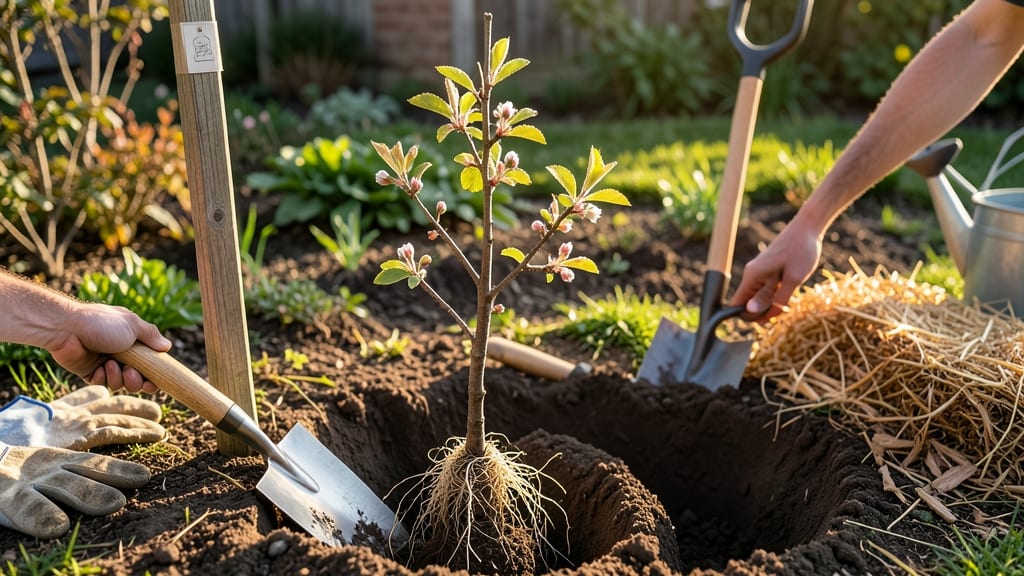
Planting apple trees in New Jersey at the wrong time can mean stunted growth—or worse, frost damage. But timing it right ensures strong root development and bountiful harvests for years to come. With USDA zones 6a-7b offering a 165-day frost-free window, late winter to early spring is your golden opportunity for success.
Picture this: a 🍎 apple tree thriving in your backyard, its branches heavy with fruit by next fall. The key lies in planting before buds break—typically between February and April. This window gives roots time to establish before summer heat sets in, setting your tree up for long-term success.
Whether you're planting bare-root saplings or container-grown varieties, understanding your microclimate matters. Coastal areas may have slightly later frost dates than inland spots, so local knowledge makes all the difference. Let's break down exactly when to plant for maximum growth potential in your specific corner of New Jersey.
You'll discover how to prepare your soil, choose the right variety for your zone, and avoid common timing mistakes that could cost you years of growth. Ready to get started? Let's dig in.
Optimal planting windows for apple trees in NJ by variety type
New Jersey's USDA Zones 6a-7b create a 165-day frost-free window, but not all apple varieties thrive equally in this climate. The best time to plant depends on whether you're using bare-root saplings or container-grown trees, as well as the specific variety's cold hardiness.
For bare-root apple trees, aim to plant between late February and early April—before buds swell but after the ground thaws. Container-grown trees offer more flexibility, allowing planting from March through May, but early spring still gives roots the longest growing season before summer heat arrives.
Northern NJ (Zone 6a) has a shorter growing season, so prioritize early-maturing varieties like 'McIntosh' or 'Cortland'. Southern NJ (Zone 7b) can handle later varieties such as 'Honeycrisp' or 'Gala', which need more heat to ripen properly.
Your last frost date (typically April 15) is your deadline for planting bare-root trees. If you miss this window, wait until fall planting (October), but only for container-grown trees—this gives roots time to establish before winter dormancy.
If you're planting in fall (October), choose container-grown trees with closed root systems. This gives roots time to establish before winter, but avoid planting after October 15—the first frost date in most of NJ—when new growth could be damaged.
For dwarf varieties, timing is slightly more flexible since they establish faster. However, they still benefit from the early spring window to maximize root development before summer heat sets in. Always check your specific variety's chilling hour requirements—most NJ varieties need 800-1,000 hours below 45°F for proper fruiting.
Pro tip: Use a soil thermometer to confirm ground temps are above 40°F before planting bare-root trees. Cold soil can shock roots and delay establishment. For container-grown trees, wait until soil temps reach 50°F for optimal growth.
Remember, early spring planting (March-April) gives your apple tree the longest growing season before winter dormancy. This translates to stronger root systems and better fruit production in subsequent years.
How to time apple tree planting for maximum root growth in NJ’s soil
New Jersey’s variable climate demands precise timing for apple tree planting. The key is establishing strong root systems before summer heat arrives. In my experience, planting between late February and early April gives roots 6-8 weeks to establish before the growing season peaks.
For bare-root trees, aim for planting when soil temperatures reach 40°F (4°C)—this ensures roots wake up but won’t dry out. Container-grown trees offer more flexibility, allowing planting until May in cooler microclimates like northern NJ. Always check the USDA Zone 6a-7b guidelines for your exact location.
🌱
✅ Pro Tip: Extend Your Planting Window
- Soil Prep: Amend clay-heavy NJ soil with compost and sand for drainage.
- Mulching: Apply 3-4 inches of mulch (wood chips or straw) to retain moisture.
- Watering: Deep-water twice weekly until roots establish (6-8 weeks).
- Frost Protection: Use burlap wraps for young trees if late frosts threaten.
NJ’s microclimates play a huge role—coastal areas (like Cape May) can plant a week later than inland zones (like Sussex County). For example, ‘Honeycrisp’ thrives in Zone 6a, while ‘Granny Smith’ prefers Zone 7b.
Always match your variety to your last frost date (typically April 15 in most of NJ).
One common mistake I see is planting too early—January can still bring hard freezes that damage tender roots. Wait until soil is workable (not frozen or waterlogged).
If you miss the spring window, fall planting is possible in October, but only for container-grown trees in milder southern NJ regions.
After planting, monitor soil moisture with your finger—top 2 inches should stay damp but not soggy. Young roots are fragile, so avoid compacting soil around the base. In my garden, I’ve found that drip irrigation keeps roots consistently moist without overwatering.
🪴