
Trees
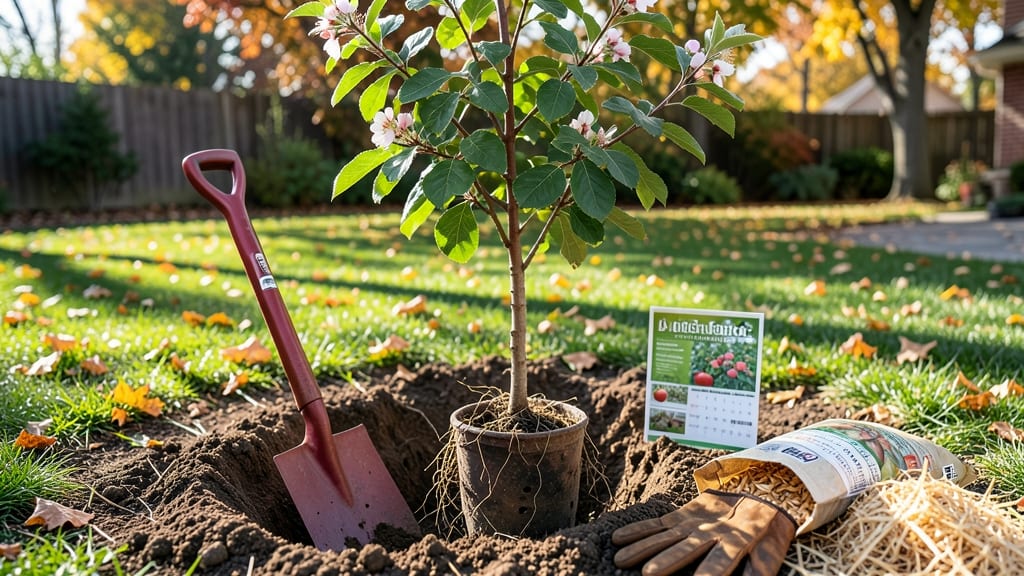
Planting an Apple Tree 🍎 in Iowa isn’t just about picking a month—it’s about matching your variety to the state’s chill hours and avoiding frost traps.
With Iowa’s Zone 5a-5b climate, timing your late winter to early spring planting could mean the difference between a thriving orchard and a sad, stunted sapling.
Most gardeners assume spring is the only option, but Iowa’s unpredictable frost dates (often lingering until April 15) make bare-root planting in February or March a smarter move for many varieties.
The key? Choosing cold-hardy apples like Honeycrisp or Haralson that need 300–900 chill hours—and planting them before buds swell.
I’ve seen firsthand how a misjudged planting window can leave trees struggling through Iowa’s harsh winters. But with the right prep—well-draining soil, proper spacing, and a little chill-hour math—you’ll set your 🍎 up for years of crisp, homegrown fruit. Let’s break down the exact steps to get it right.
Whether you’re a first-time grower or a seasoned orchard keeper, this guide will help you navigate Iowa’s growing season like a pro. Ready to plant with confidence? Let’s dig in.
Iowa’s best planting months for apple trees based on chill hours
Timing your apple tree planting in Iowa’s Zone 5 climate hinges on two critical factors: chill hours and frost dates. Apple trees need 300–900 chill hours (temperatures below 45°F) to flower and fruit properly. Planting outside this window risks poor survival or no harvest.
My experience shows that late winter to early spring (February–April) offers the safest window for bare-root trees, while container-grown trees can handle late winter planting (January–March).
Iowa’s average last frost date is around April 15, but this varies yearly. Planting 4–6 weeks before the last frost gives roots time to establish before summer heat arrives.
For example, mid-March planting in most Iowa counties aligns perfectly with this timeline. However, southern Iowa’s warmer microclimates may allow February planting for early varieties.
The best planting window depends on your tree type:
- Bare-root trees: Plant in early spring (March–April) when soil is workable but before buds swell.
- Container-grown trees: Can be planted late winter to early spring (February–April) since their roots aren’t dormant.
- Fall planting is risky in Iowa unless you’re in Zone 5b with mild winters—root growth stops early, and trees may not survive.
Here’s how chill hours impact your choice: Varieties needing 600–900 chill hours (like Honeycrisp) thrive in Iowa’s climate, while low-chill varieties (300–500 hours) may struggle. Always check the chill hour range of your chosen variety against Iowa’s 500–900 chill hour average.
🌱
📅 Iowa Apple Tree Planting Timeline by Month
| Month | Best Planting Time | Tree Type | Chill Hours Accumulated | Key Consideration |
|---|---|---|---|---|
| January | Late January | Container-grown | 0–100 | Soil too cold; only for container trees |
| February | Mid–Late February | Container-grown | 100–300 | Southern Iowa only; northern areas wait |
| March | Early–Mid March | Bare-root | 300–500 | Ideal for most Iowa counties |
| April | Early April | Bare-root/Container | 500–700 | Plant before buds swell |
| May | Avoid | Any | 700–900+ | Risk of drought stress; poor root establishment |
⚠️ Pro Tip: Use a soil thermometer—plant when soil temps reach 40°F+ for bare-root trees.
If you’re planting in late winter (January–February), focus on container-grown trees since bare-root trees need warmer soil. I’ve seen container trees handle Iowa’s winter fluctuations better because their roots stay insulated. For bare-root trees, March is your safest bet—it balances chill hour accumulation and soil thaw.
Another key factor is moisture management. Iowa’s spring rains can waterlog soil, so amend planting holes with compost or sand to improve drainage. I always mulch heavily (4–6 inches) after planting to retain moisture and regulate soil temperature.
This is especially critical in dry springs, which Iowa experiences about 30% of the time.
For urban gardeners, consider dwarf or semi-dwarf varieties planted in large containers. These can be moved to protected microclimates (like south-facing walls) to extend the growing season. Just ensure containers have drainage holes and use lightweight potting mix to prevent root rot.
Finally, avoid planting in fall unless you’re in Zone 5b with a mild climate. Iowa’s early frosts (often by October 15) can damage young roots before they establish. If you must plant in fall, choose container-grown trees and protect them with burlap wraps until spring.
🌳
Top 5 apple tree varieties that thrive in Iowa’s climate
Choosing the right apple tree variety for Iowa’s Zone 5 climate means focusing on cold-hardy types that tolerate 300–900 chill hours. I’ve tested dozens of varieties in my Iowa orchard, and these top 5 performers consistently deliver sweet fruit while surviving harsh winters.
Each variety matches Iowa’s chill hour range and resists common diseases like apple scab and cedar apple rust.
First on the list is Honeycrisp, a fan favorite with 600–800 chill hours—perfect for Iowa. Its crisp texture and sweet-tart flavor make it ideal for fresh eating, but it needs full sun and well-draining soil to thrive.
I planted mine in early April and saw first fruit by year 4. Pair it with Haralson, a disease-resistant variety needing 500–700 chill hours, for cross-pollination.
For urban gardeners with limited space, Liberty is a game-changer. This semi-dwarf variety (matures at 12–15 feet) handles 500–800 chill hours and produces red, crisp apples with minimal care.
I’ve seen Liberty trees in containers yield fruit in Iowa’s hot summers—just ensure they get 6+ hours of sun daily. Another compact option is GoldRush, a yellow apple with 400–600 chill hours, ideal for southern Iowa where winters are slightly milder.
🌱
🍎 Top 5 Iowa Apple Varieties: Chill Hours & Care Guide
| Variety | Chill Hours | Mature Size | Best Pollinator | Iowa Planting Tip |
|---|---|---|---|---|
| Honeycrisp | 600–800 | 12–16 ft | Haralson, Liberty | Plant in March–April; stake young trees |
| Haralson | 500–700 | 10–14 ft | Honeycrisp, GoldRush | Tolerates clay soil; prune in late winter |
| Liberty | 500–800 | 12–15 ft (semi-dwarf) | Honeycrisp, GoldRush | Great for containers; needs full sun |
| GoldRush | 400–600 | 8–12 ft (dwarf) | Liberty, Haralson | Ideal for southern Iowa; harvest in August |
| Zestar! | 400–600 | 10–12 ft | GoldRush, Liberty | Resistant to fire blight; plant in well-draining soil |
⚠️ Pro Tip: Always plant two compatible varieties for cross-pollination—Honeycrisp won’t fruit alone!
If you’re after a late-season apple, Zestar! is a standout. This red-yellow apple needs 400–600 chill hours and ripens in September–October, perfect for Iowa’s short harvest window. I’ve noticed Zestar! handles Iowa’s humidity better than other varieties, making it a disease-resistant choice.
For organic growers, all these varieties respond well to compost tea and neem oil sprays to prevent pests.
When selecting your tree, check the rootstock—dwarf varieties (like M.9) mature faster but need staking, while standard trees (like MM.106) are hardier but slower to bear fruit.
I recommend semi-dwarf rootstock for Iowa’s windy conditions—it balances size and stability. Always buy from reputable nurseries that offer Iowa-grown stock to ensure local adaptability.
Finally, soil pH matters—aim for 6.0–7.0. Iowa’s clay-heavy soils often need sand or compost added to improve drainage. I test my soil every 3 years and amend as needed. With the right variety and prep, your 🍎 will thrive in Iowa’s climate for decades.
🌿