Plants
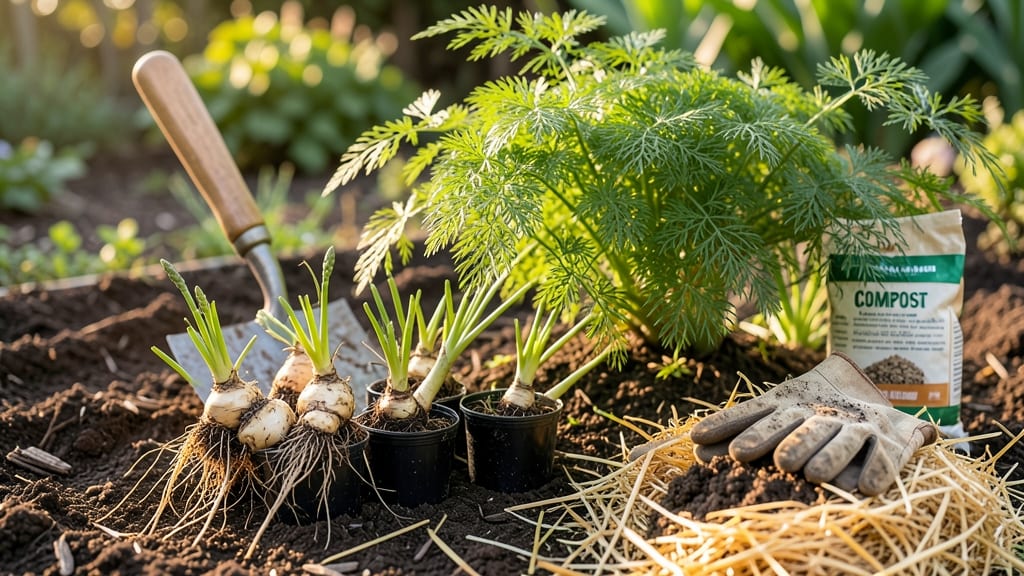
Timing your asparagus planting in Illinois could mean the difference between a thriving garden and years of disappointment. This cold-hardy veggie 🌱 needs just the right window—too early, and frost will nip it; too late, and your harvest shrinks.
Illinois gardeners know the drill: patience pays off, but only if you plant when the soil warms and the last frost has passed.
Most experts agree that early spring (March to April) is your best bet for Illinois' 5b-6b zones, but there’s more to it than just picking a month. Soil temperature matters just as much as frost dates, and local microclimates can shift your ideal window by weeks.
Whether you're using crowns or seeds, getting this right sets the stage for years of harvests—not just one.
Here’s the game-changer: planting 3-4 weeks before your last frost date (usually mid-April in most of Illinois) gives asparagus roots time to establish without rushing. But don’t stress if you’re in the northern part of the state—adjusting for colder soils could mean waiting until late April.
I’ll walk you through the exact steps to nail your timing, plus how to avoid the mistakes that trip up even experienced gardeners.
Ready to grow asparagus that’ll feed you for a decade? Let’s break down the perfect planting schedule, soil prep, and long-term care so you can enjoy fresh spears year after year. No more guessing—just a foolproof plan tailored to Illinois’ climate.
Best planting windows for Illinois asparagus success (by region)
Timing your asparagus planting in Illinois depends on your USDA zone (5b-6b) and whether you're planting crowns or seeds. Northern Illinois (zones 5b) has a shorter growing season, while Southern Illinois (zone 6b) can plant slightly later.
The key is planting 3-4 weeks before your last frost date, typically mid-March to mid-April.
For Northern Illinois, aim for planting between March 15 and April 5 when soil temperatures reach 50°F. Southern Illinois can extend this window until April 15 due to warmer spring soils.
Asparagus crowns establish best in cooler soils, so don't rush planting—wait for consistent 50°F+ soil temps for 1-2 weeks.
Most Illinois gardeners prefer crown planting over seeds because crowns produce harvestable spears in 2-3 years versus 3-4 years for seeds. Crowns are also more cold-hardy, which is crucial for Illinois' unpredictable springs. If you choose seeds, start them indoors 8-10 weeks before your last frost and transplant seedlings carefully.
Soil preparation is equally critical. Asparagus thrives in well-draining soil with a pH of 6.5-7.5. Work in 2-3 inches of compost and avoid fresh manure, which can burn crowns.
Raised beds are ideal for Illinois' clay-heavy soils in many regions, improving drainage and extending the planting window by 1-2 weeks.
| Region | Planting Window | Soil Temp | Key Notes |
|---|---|---|---|
| Northern IL (Zone 5b) | March 15-April 5 | 50°F+ | Earlier frost risk; use row covers |
| Southern IL (Zone 6b) | March 25-April 15 | 50°F+ | Longer growing season; can plant later |
| Both Regions | 3-4 weeks before last frost | N/A | Plant crowns 6-8" deep, 12-18" apart |
Adjust your planting window if you experience late frosts or unseasonably cold springs, which are common in Illinois. Use frost blankets or row covers to protect young plants until temperatures stabilize. For container growing, plant 2 weeks earlier since pots warm up faster in spring.
Pro tip: Mark your asparagus bed permanently—these plants live 15-20 years! In Illinois, the first year after planting should focus on establishing roots, not harvesting. Resist the urge to pick spears in year one; let the plant build energy for future harvests.
This patience pays off with heavier yields in years 2-3.
If you miss the ideal window, you can plant asparagus in early fall (September), but yields will be 30-50% smaller the first year. Fall planting is riskier in Illinois due to earlier frosts, but it's an option if you have leftover crowns.
Always plant in well-drained soil to prevent crown rot during winter.
For maximum productivity, rotate your asparagus bed every 5-6 years to replenish soil nutrients. Illinois' clay soils benefit from gypsum amendments every few years to maintain structure. Pair asparagus with companion plants like tomatoes or peppers to improve soil health and deter pests naturally.
Remember: Asparagus is a perennial, meaning proper planting now sets you up for decades of harvests. Illinois gardeners who nail their planting window often joke that their asparagus patch is their "forever crop".
With the right timing and care, you could be enjoying homegrown spears for generations—starting with your first perfect spring harvest in 2025!
Best planting windows for Illinois asparagus success (by region)
Illinois' diverse climate—from chilly Northern zones to milder Southern regions—means your asparagus planting timeline should align with local frost dates and soil temperatures. For USDA zones 5b-6b, the ideal window is 3-4 weeks before your area's last frost date, typically mid-March to early April.
Northern Illinois (e.g., Chicago) should aim for late March to April, while Southern Illinois (e.g., St. Louis) can start as early as February if soil temps hit 50°F.
For maximum yield, crown planting (not seeds) is the preferred method in Illinois—crowns establish faster and produce harvestable spears in 2-3 years instead of 3-4. Plant 12-18 inches apart in rows 3 feet apart to allow airflow and reduce disease.
Soil prep is critical: amend with compost to raise organic matter to 5-10% and ensure well-draining conditions to avoid rot.
| Region | Planting Window | Soil Temp Requirement | Key Adjustment |
|---|---|---|---|
| Northern IL (Zones 5b) | Late March–Early April | 50–55°F | Wait for last frost (avg. mid-April) |
| Central IL (Zones 6a) | Mid-March–Late March | 45–50°F | Use row covers for early starts |
| Southern IL (Zones 6b) | February–Early March | 40–45°F | Plant earlier if soil warms fast |
If you miss the spring window, fall planting is possible in Southern Illinois (by October) but risky in Northern zones due to early frosts. For late starters, consider container growing: plant crowns in 12-inch-deep pots and move them to a sunny spot until transplanting next spring.
Mulch heavily with straw to protect roots from freeze-thaw cycles, a common issue in Illinois' unpredictable springs.
Pro tip: Test your soil’s pH (6.5–7.0) before planting—Illinois’ clay-heavy soils often need lime to prevent iron deficiency, which stunts growth. Amend with gypsum if drainage is poor. Once planted, water deeply but infrequently (1 inch per week) to encourage deep root growth, especially during Illinois’ dry summers.
Remember, asparagus is a perennial, meaning your planting decision sets up 15+ years of harvests. In Illinois, Mary Washington and Jersey Knight varieties are top picks for their cold tolerance and high yields.
Start small (5–10 crowns) to test your site before expanding—patience here pays off with spears for decades.