
Plants
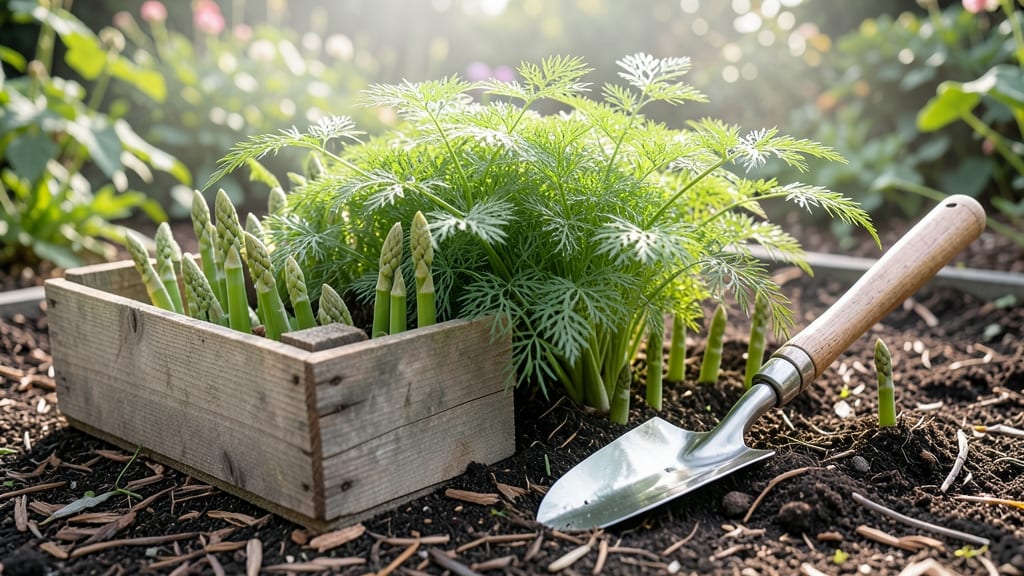
Planting asparagus in Louisiana at the wrong time can mean wasted seeds and missed harvests—but timing it right unlocks a fast start to years of fresh spears.
The key isn’t just waiting for spring; it’s tracking soil warmth, which in 8a-9b zones like yours can vary wildly between New Orleans and Shreveport.
Most gardeners assume February-March is the only window, but Louisiana’s humid climate actually lets you plant asparagus crowns twice a year. The secret? Waiting until soil hits 60°F—cold soil kills seeds before they sprout.
I’ll show you exactly how to test for this, plus how to adjust for clay-heavy soils that stay damp too long.
You might think asparagus is low-maintenance, but in Louisiana’s heat and humidity, common mistakes like planting too early or ignoring drainage can turn your patch into a fungal buffet. I’ve seen gardeners lose entire crops because they skipped one critical step—don’t let that be you.
By the end, you’ll know the exact weeks to plant for maximum germination, plus how to keep your asparagus thriving through Louisiana’s long, hot summers. Let’s get those crowns in the ground the right way.
Louisiana’s ideal asparagus planting windows by month (soil temp guide)
Timing your asparagus planting in Louisiana hinges on two critical factors: soil temperature and microclimate. Unlike northern states, Louisiana’s USDA Zones 8a-9b offer two ideal windows—spring (Feb–March) and fall (Sept–Oct)—but the rules differ sharply.
Spring planting demands patience for warm soil, while fall planting races against humidity and fungal risks as temperatures dip. Let’s break it down by month with soil warmth triggers and regional adjustments.
For spring planting, aim for late February to early March when soil temperatures consistently reach 60–65°F at 4-inch depth. This aligns with Louisiana’s last frost date (mid-February) but avoids the cold-soil rot that plagues early plantings.
In New Orleans (Zone 9a), soils warm faster than Shreveport (Zone 8a), so adjust your timeline by 1–2 weeks later for north Louisiana. Use black plastic mulch to accelerate warming if needed.
Fall planting is trickier but viable in September–October when soil temps hover between 70–85°F. The goal is to establish roots before humidity spikes in late fall, which can trigger crown rot.
Plant 6–8 weeks before first frost (mid-November) to give seedlings time to harden. Avoid planting after October 15, as fungal diseases thrive in Louisiana’s damp air during this window.
Here’s a soil temperature cheat sheet for Louisiana’s two planting windows, including regional adjustments:
| Planting Window | Ideal Soil Temp (°F) | Louisiana Region | Key Consideration |
|---|---|---|---|
| Late Feb–Early March | 60–65°F (4" depth) | New Orleans (Zone 9a) | Soil warms quickly; plant by Feb 28 |
| Late Feb–Early March | 60–65°F (4" depth) | Shreveport (Zone 8a) | Wait until March 15 for safer germination |
| September–October | 70–85°F (4" depth) | All Regions | Plant by Oct 15 to avoid fungal risks |
| Avoid | Below 50°F | Anywhere | Seeds rot in cold, wet soil; use mulch to insulate |
Pro tip: Louisiana’s clay-heavy soils retain moisture longer, delaying soil warming. Amend beds with compost or sand to improve drainage and speed up temperature rise. For container growing, use pots with heat mats to maintain ideal temps in cooler microclimates like hilltop gardens.
Spring planting also benefits from early-morning sunlight, which warms soils faster. Face your beds to the south and remove competing weeds to maximize heat absorption. In fall, prioritize well-draining soil to prevent waterlogged roots as rains increase.
Test your soil’s pH (6.5–7.0) and add lime if needed, as Louisiana’s acidic soils can stunt asparagus growth.
Remember: Asparagus crowns take 2–3 years to establish, so planting at the right time ensures you’re not fighting weather delays or disease pressure. Once planted, mulch heavily with straw or pine needles to regulate soil temperature and retain moisture—critical in Louisiana’s hot summers and humid winters.
For urban gardeners in cities like Baton Rouge or Lafayette, microclimates near concrete or pavement can warm 5–10°F faster than rural areas. Monitor soil temps with a digital thermometer for precision, especially if you’re planting in raised beds, which warm more quickly than in-ground soil.
Finally, avoid planting asparagus in Louisiana’s peak heat (June–August). The combination of high temps and humidity stresses young plants, leading to leaf scorch or root rot. Stick to the spring or fall windows, and your asparagus will reward you with spears for decades.
🌱
Louisiana’s ideal asparagus planting windows by month (soil temp guide)
Timing is everything when planting asparagus in Louisiana. The state’s USDA Zones 8a–9b offer two prime windows: late winter/early spring and fall. For spring planting, aim for February–March when soil temps hit 60–70°F. Fall planting works in September–October with 70–85°F soils to avoid summer heat stress.
New Orleans’ warmer microclimate (Zone 9a) lets you plant asparagus crowns 2–3 weeks earlier than Shreveport (Zone 8a). Always check soil temperature—cold soils delay germination, while hot soils risk seed burn. Use a soil thermometer to confirm readiness before planting.
| Planting Window | Ideal Soil Temp | USDA Zone | Microclimate Tips |
|---|---|---|---|
| Late Winter/Early Spring (Feb–Mar) | 60–70°F | 8a–9b | New Orleans: Plant Feb 15–Mar 15; Shreveport: Wait until Mar 1–15. |
| Fall (Sept–Oct) | 70–85°F | 8a–9b | Avoid planting after Sept 30—roots need time to establish before frost. |
| Warning: Never plant when soil temps exceed 85°F—seeds will fail to germinate. | |||
For spring planting, prep beds in January by amending clay-heavy soils with compost. In fall, plant 6–8 weeks before first frost (mid-November) to allow roots to establish. Use black plastic mulch to warm soils faster if temps lag behind schedule.
Pro tip: Dwarf varieties like ‘Mary Washington’ thrive in Louisiana’s heat, while ‘Purple Passion’ tolerates humidity better. Adjust spacing to 18–24 inches apart to prevent fungal diseases in Louisiana’s damp air.
Miss the ideal window? Fall planting is your backup—just ensure soil temps stay above 60°F for 2–3 weeks post-planting. Monitor local weather forecasts for sudden cold snaps that can stall growth.
Once planted, mulch with straw or pine needles to retain moisture and regulate soil temps. Avoid wet mulch, which invites fungal rot in Louisiana’s humid climate. 🌱