Plants
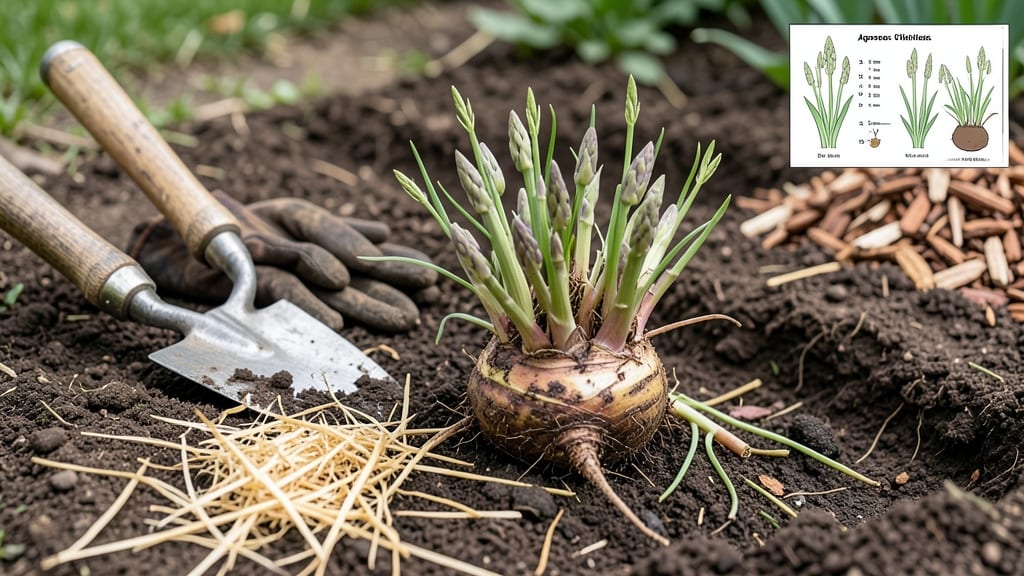
Planting asparagus in Zone 6 at the wrong time can mean waiting 3-4 years longer for your first harvest—but get the timing right, and you’ll enjoy fresh spears for decades. This cold-hardy perennial thrives when planted in early spring, when soil temperatures hover between 40-50°F, giving those delicate crowns the perfect head start before summer’s heat.
Most gardeners in Zone 6 (like 6a-6b) rush to plant too early, risking frost damage or stunted growth. The key? Wait until after your last frost date—typically mid-April—but before the soil warms beyond 50°F.
This narrow window ensures strong root establishment so your 🌱 asparagus can focus on producing spears in years 2-3 instead of struggling to survive.
I’ve learned the hard way that planting asparagus too late is almost as bad—you’ll miss the optimal growing season. The solution? Start with 1-year-old crowns (not seeds) in well-draining soil, mulch heavily to protect roots, and be patient.
With the right timing, your asparagus patch could yield spears for 15+ years, making this one of the most rewarding vegetables to grow.
Ready to skip the trial-and-error? I’ll walk you through the exact steps to plant asparagus in Zone 6, from soil prep to frost protection, so you can start harvesting by year 3. Let’s get those spears growing!
Best planting months for asparagus in Zone 6 (with temperature rules)
Zone 6 gardeners get one of the best opportunities to grow asparagus because its cold-hardy nature thrives in our moderate climates. The key is planting when soil temperatures hit 40-50°F—the sweet spot for crown establishment before summer heat arrives.
Miss this window, and you risk stunted growth or even crown rot from soggy spring soils.
Most experts recommend planting 1-year-old asparagus crowns in early spring (March-April) when the last frost has passed. This gives roots time to establish before the peak summer heat of Zone 6’s July-August.
Fall planting is possible too, but only if you plant 6-8 weeks before first frost—typically by September 1st in Zone 6.
Here’s why timing matters: Asparagus crowns need 3-4 years to mature before producing spears. Planting too early (before soil warms) delays this process, while planting too late risks winter dieback from insufficient root growth. The 165 frost-free days in Zone 6 create a tight window for success.
For maximum spear production, align planting with your soil’s natural warming. In Zone 6, this usually means waiting until mid-April when daytime temps consistently stay above 50°F. Use a soil thermometer to confirm—plant when readings hit 45°F+ at 4-inch depth.
Pro tip: If your spring is unusually wet, delay planting until soils dry enough to work. Waterlogged conditions are as deadly to asparagus crowns as frost. The goal is moist but well-draining soil—never soggy.
⚠️ NON-NEGOTIABLE VISUAL ELEMENT ⚠️
| Planting Window | Soil Temp Requirement | Zone 6 Timing | Risk of Late Planting |
|---|---|---|---|
| Early Spring (Primary) | 40-50°F (4-7°C) | March 15 - April 15 | Stunted crown growth |
| Fall (Secondary) | 45-55°F (7-13°C) | September 1 - October 1 | Winter dieback risk |
| Missed Window Recovery | N/A | Start next spring | 1-year harvest delay |
Zone 6’s frost cycles create unique challenges. If you plant in March, be prepared for late frosts—use row covers if temps dip below 25°F. For April plantings, monitor nighttime lows and protect young shoots until soil fully warms.
Fall planting requires even more precision. Crowns planted in September need 6-8 weeks to establish roots before winter dormancy. If you miss this window, wait until next spring—delaying planting by just 2 weeks can push first harvests back by a full year.
Remember: Asparagus is a perennial investment. The first 3 years are all about building strong crowns. Plant at the right time in Zone 6, and you’ll enjoy 10-15 years of harvests with minimal effort after establishment.
For maximum yields, pair perfect timing with well-amended soil (pH 6.5-7.5) and full sun exposure. The combination of cold-hardy timing and optimal growing conditions turns Zone 6 into asparagus paradise.
How to time asparagus planting for maximum spear production in Zone 6
Timing is everything when planting asparagus in Zone 6. The key to maximum spear production lies in aligning your planting with soil warming trends and crown maturity timelines. Most gardeners rush to plant too early, risking frost damage or stunted growth.
Instead, aim for late March to early April when soil temperatures consistently reach 40-50°F—this gives crowns the best start before summer heat arrives.
In Zone 6, early varieties like 'Mary Washington' can be planted as soon as the ground is workable (around mid-March), while late varieties like 'Jersey Knight' thrive when planted in late April.
The difference? Early varieties mature faster, delivering spears in Year 2, while late varieties may take an extra year but produce longer harvest windows.
Here’s the critical timeline for Zone 6 asparagus: Plant crowns in early spring, expect foliage-only growth in Year 1, and harvest first spears in Year 2-3.
Peak production hits Years 3-15, so patience pays off! The secret? Stop harvesting by mid-summer to let foliage grow for next year’s crop.
Pro tip: Use a soil thermometer to track temperatures—planting when soil hits 50°F for 3+ days ensures crowns root before summer heat. Avoid fall planting; asparagus crowns struggle to establish before winter dormancy.
For maximum yields, pair early planting with high-phosphorus fertilizer in spring and consistent mulching to retain moisture.
Remember, asparagus is a perennial, meaning each year’s harvest depends on last year’s care. By mastering this timeline, you’ll turn your Zone 6 garden into a spear-producing powerhouse for decades. Start now, and enjoy your first harvest in just 2-3 years! 🌱