
Plants
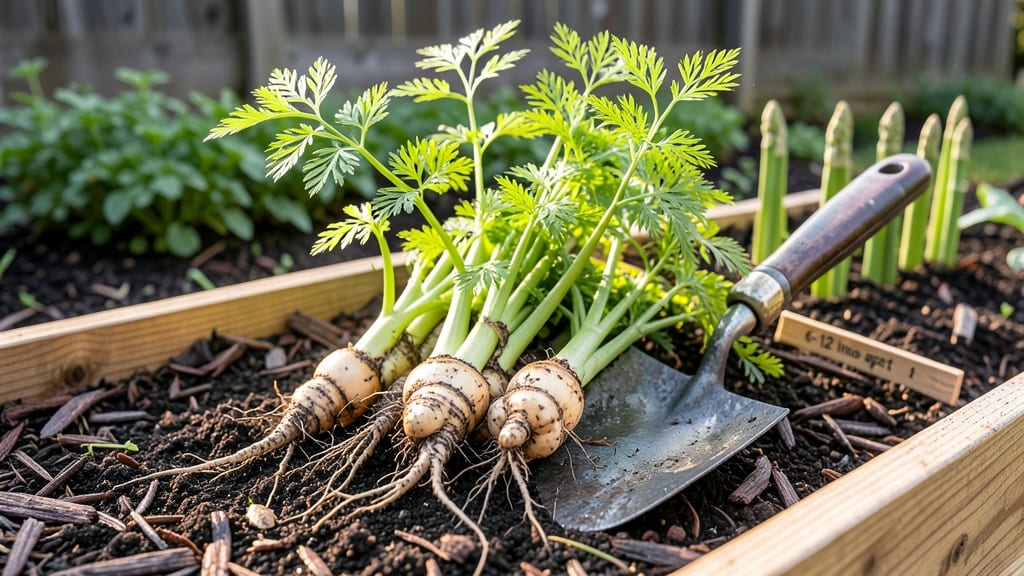
Timing your asparagus planting in Maryland isn't just about the calendar—it's about beating frost and warming soil to give your 🌱 crowns the best start. Plant too early, and a late frost can wipe out your young shoots before they even emerge.
Too late, and you’ll miss the optimal window for establishing strong roots before summer heat sets in.
Maryland’s Zone 7b climate means you’ve got a narrow but critical window—typically between March and early April—when soil temperatures hit that sweet spot of 60°F and frost risk drops. This is when your asparagus crowns can finally take root without the threat of freezing temperatures slowing them down.
But here’s the catch: Maryland’s unpredictable spring weather can throw off even the best-laid plans. Whether you’re planting crowns (the faster route) or seeds (the budget-friendly option), knowing when to prep your soil and when to actually plant makes all the difference in your first harvest.
In this guide, I’ll break down the exact frost-free timeline, soil prep tips, and backup strategies so you can confidently plant asparagus—whether you’re in Baltimore’s urban gardens or the rural fields of Western Maryland. Let’s get those spears growing!
Maryland asparagus planting timeline: frost dates & soil temperature rules for Zone 7b
Maryland’s Zone 7b climate creates a narrow window for planting asparagus crowns, where timing can make or break your first harvest. Unlike annuals, asparagus needs 2-3 years to establish before producing spears, so getting the timing right is critical.
The ideal window spans late March to early April for spring planting or September to early October for fall—both aligned with soil temperatures above 60°F.
Spring planting is riskier due to late frosts (common until mid-April), while fall planting offers cooler soils and fewer pest pressures. Maryland’s average last frost date ranges from April 15-30, depending on microclimate—coastal areas like Annapolis may be 1-2 weeks later than inland regions like Frederick.
Always check your local USDA frost calendar before digging in.
For spring planting, aim for late March to early April when soil temperatures consistently reach 60°F at 4-inch depth. Use a soil thermometer to confirm—cold soils delay root establishment. If planting in fall, choose September to early October to allow roots to grow before winter dormancy.
Maryland’s Zone 7b climate means fall-planted crowns often outperform spring plantings due to fewer frost risks.
Pro tip: Pre-soak crowns for 2-4 hours before planting to jumpstart root growth. This is especially critical in Maryland’s clay-heavy soils, which can slow moisture absorption. Add organic matter like compost or aged manure to improve drainage—waterlogged soil is as deadly as frost for young asparagus.
If you miss the ideal window, don’t panic. Fall planting (up to October 15) still works well, though crowns may need extra mulch (3-4 inches of straw) to insulate roots during winter.
Avoid planting after November 1, as roots won’t establish before frost sets in. Maryland’s short growing season means every week counts—plan accordingly!
Urban gardeners in Baltimore or Washington, D.C. may face microclimate delays due to heat islands. Monitor local weather forecasts for frost advisories and have row covers ready. Coastal areas like Annapolis often have 2-3 warmer weeks than inland zones, giving you a slightly extended window.
Remember: Asparagus is a marathon, not a sprint. While you won’t harvest until year 3, proper timing now ensures decades of productivity. Maryland’s perennial asparagus beds can yield spears for 15-20 years if planted correctly.
Start with 1-year-old crowns (not seeds) for faster results—seeds take 2-3 extra years to mature.
For a foolproof backup plan, plant a small test row in both spring and fall. This lets you compare establishment success and adjust future plantings. Keep a gardening journal to track soil temps, frost dates, and harvest readiness—your notes will become invaluable for future seasons.
🌱
How to time asparagus planting for Maryland’s unpredictable spring weather
Maryland’s spring weather is famously fickle—one day it’s 65°F and sunny, the next we’re shoveling snow. This unpredictability makes timing your asparagus planting tricky, but with the right strategies, you can work with the chaos instead of against it.
The key is monitoring soil temperature (not just air temp) and adjusting your planting window based on local microclimates—whether you’re gardening in Baltimore’s urban heat islands or the cooler Western Maryland valleys.
For most of Maryland’s Zone 7b, aim to plant asparagus crowns when soil temps consistently reach 60°F—typically between late March and early April. However, if you’re in a cooler microclimate (like Frederick County), you might need to wait until mid-April.
Use a soil thermometer to check—this small tool is your best friend for beating frost surprises.
Here’s my 3-step