
Plants
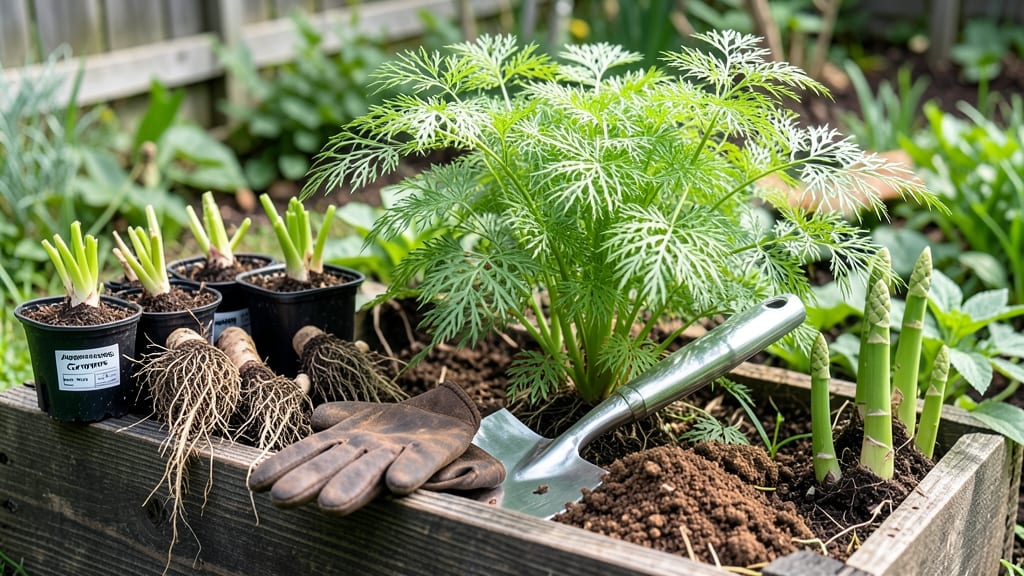
Planting asparagus in Maine isn't just about timing—it's about unlocking a decades-long harvest that starts with the right spring window. With frost dates hovering around April 15, you’ve got a tight but doable March-April window to get those crowns in the ground before the soil warms to 40-50°F.
Skip this, and you’ll be waiting years for your first spear.
Here’s the catch: Maine’s short growing season means no room for mistakes. Whether you’re in USDA zone 5b-6b or coastal areas with milder winters, the key is planting 1-year-old crowns 6-8 inches deep—at least 3 weeks before the last frost.
Too early, and cold soil stunts roots; too late, and your crop won’t establish before summer heat hits.
I’ve seen gardeners in Maine pull off consistent harvests from June to August by following this rule: soil prep is everything. Amend that clay-heavy dirt with compost, test your pH (aim for 6.5-7.5), and pick cold-hardy varieties like ‘Jersey Knight’ or ‘Purple Passion.’
These aren’t just tips—they’re your ticket to beating Maine’s unpredictable weather.
Ready to dive in? I’ll walk you through the exact steps—from frost dates to soil tricks—that turn a short Maine season into a goldmine of spears. Let’s get those crowns in the ground the right way.
Best planting windows in Maine: frost dates and soil temperature guidelines
Maine’s cool climate and short growing season mean timing is everything when planting asparagus crowns. Unlike warmer regions, you can’t wait until spring—you’ll miss the ideal 40-50°F soil window for root establishment.
The key is planting 3-4 weeks before your last frost date, typically between late March and mid-April in most of Maine.
For coastal areas (like USDA Zone 6b), you might push planting to early April when soil warms faster. Inland regions (like Zone 5b) should aim for late March to avoid early frost risks. Fall planting is not recommended in Maine—roots need time to establish before winter dormancy.
Here’s what you need to know about Maine’s frost-free zones and soil temperature thresholds:
| Zone | Last Frost Date | Ideal Planting Window | Soil Temp Threshold | Notes |
|---|---|---|---|---|
| 5b (Inland) | April 15 | Late March - Early April | 40-50°F | Coldest zone; plant deeper (8") for insulation. |
| 6a (Central) | April 22 | Early - Mid April | 45-55°F | Moderate risk of late frost; use row covers if needed. |
| 6b (Coastal) | April 28 | Mid - Late April | 50-60°F | Warmer soils; plant shallower (6") for faster root growth. |
Use a soil thermometer to confirm temperatures—asparagus roots won’t establish below 40°F. If soil is colder, wait or use black plastic mulch to warm it faster. Pro tip: Plant on a cloudy day to reduce transplant shock from wind or sun.
Maine’s microclimates can vary by just 10 miles. Check your local USDA frost map or ask at your county extension office for precise dates. For example, Portland might be ready by April 10, while Presque Isle could wait until May 1.
Once planted, mulch heavily with straw or leaves to protect roots during late spring frosts. Asparagus is perennial, so getting the timing right now means 15+ years of harvests—worth the patience! 🌱
For container growing in Maine, plant in late May after all frost risk has passed. Use large pots (20+ gallons) with drainage holes and move containers to a sunniest spot during winter to prevent root freeze.
Remember: Asparagus takes 2-3 years to establish before harvest. Planting at the wrong time can delay this by a full year. Don’t rush—patience pays off with juicy spears for decades! ✂️
Best planting windows in Maine: frost dates and soil temperature guidelines
Maine’s USDA zones 5b-6b mean asparagus must be planted at the perfect soil temperature to thrive. The ideal window is March through early April, when soil warms to 40-50°F—critical for root establishment before summer heat arrives.
Coastal areas like Portland may plant 1-2 weeks earlier than inland regions like Bangor due to microclimates and slower frost retreat.
Timing is everything: Plant too early, and cold soil stunts roots. Plant too late, and spears won’t emerge until next year. In Maine’s short 165-day frost-free season, every week counts. Use a soil thermometer to confirm readiness—45°F is your sweet spot for planting crowns.
For fall planting (less common but viable in southern Maine), aim for late August to early September when soil cools to 50–60°F. Crowns planted then develop roots before winter dormancy, but harvest delays until year 2 are likely. Avoid fall planting in northern zones—frost risks outweigh benefits.
Pro tip: Mark your last frost date (use Maine’s Frost Calculator) and plant 3 weeks prior. This gives roots time to anchor before spears emerge. In Maine’s rocky soil, mix in sand or peat moss to improve drainage—waterlogged roots = failed harvests.
Remember: Asparagus is a perennial investment. A well-timed planting in spring yields harvests for 15+ years. Skip the rush—wait for the soil thermometer’s green light to ensure your crowns thrive from day one.