
Plants
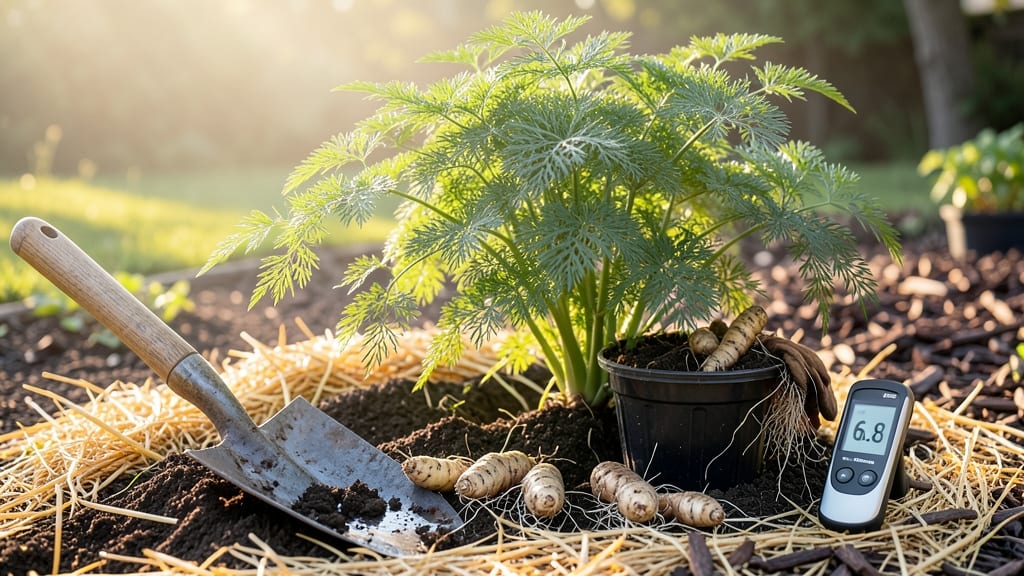
Planting asparagus in Tennessee at the wrong time means years of frustration—your crowns could rot in cold soil or struggle to establish before summer heat sets in.
The perfect frost-free window for Zone 7a/7b is narrow but critical, and getting it right means harvests from year 2-3 instead of wasted effort.
If you’ve ever wondered why your asparagus patch underperforms, the answer might lie in timing. Tennessee’s March 15–April 15 window isn’t just about avoiding frost—it’s about giving your plants the 50°F+ soil they need to root deeply before summer’s intensity.
Skip this, and you’ll fight for years to get those prized spears.
I’ll break down exactly when to plant—whether you’re in Nashville, Chattanooga, or Knoxville—and how to prep your soil for long-term success. No more guesswork, just a foolproof plan to turn your garden into a spear-producing powerhouse.
Ready to stop the trial-and-error? Let’s dive into the ideal planting timeline and the simple steps that’ll set you up for harvests in just a few seasons.
Asparagus planting timeline for Tennessee’s Zone 7a/7b: exact frost dates & soil prep
Tennessee’s Zone 7a/7b climate demands precision when planting asparagus crowns. The last frost date typically falls between March 15–April 15, but microclimates in cities like Nashville, Chattanooga, and Knoxville can shift this window by 1–2 weeks.
Planting too early risks frost damage, while waiting too long delays your first harvest by a full year.
For a successful asparagus patch, aim to plant crowns when soil temperatures consistently reach 50°F+. Use a soil thermometer to confirm—cold soil slows root establishment, leading to stunted growth.
In Tennessee, this usually aligns with late March to early April, but always check your local frost-free date for accuracy.
🌱 Key Takeaway: Asparagus is a perennial crop that takes 2–3 years to mature. Planting at the right time ensures you’ll harvest spears in spring (April–June) starting in year 3.
| Stage | Action | Tennessee Timeline |
|---|---|---|
| Soil Prep | Test pH (6.5–7.5), amend with compost, loosen soil 12" deep | 6–8 weeks before planting (Jan–Feb) |
| Plant Crowns | Dig trench 6–8" deep, place crowns 12–18" apart | Late March–early April (soil 50°F+) |
| First Harvest | Wait until year 3; harvest spears 6–8" tall | April–June (years 3+) |
| Stop Harvesting | Mid-summer to let foliage rebuild energy | July–August |
Before planting, prepare your bed 6–8 weeks in advance. Asparagus thrives in well-draining, slightly alkaline soil. Work in 2–3 inches of compost and a balanced fertilizer (10-10-10) to jumpstart growth. Avoid fresh manure—it can burn delicate roots.
In Tennessee’s humid summers, mulch heavily with straw or wood chips to retain moisture and suppress weeds. This is especially critical in Zone 7a’s hotter microclimates, like Memphis, where soil can dry out quickly. Mulch also insulates roots during winter, protecting crowns from freeze-thaw cycles.
If you’re in higher-elevation areas (e.g., East Tennessee), plant 2 weeks later than the general timeline. Cooler nights delay soil warming, so monitor your garden’s microclimate. A simple trick: Plant a test crop of radishes in early March—they’ll sprout when soil is ready for asparagus.
⚠️ Pro Tip: Avoid planting asparagus where it’s grown before—soil-borne diseases like fusarium wilt persist for years. Rotate crops with companion plants like basil or tomatoes, which deter pests naturally.
Once planted, water deeply 1–2 times per week for the first year to encourage root development. After establishment, asparagus becomes drought-tolerant, but consistent moisture during spear production (April–June) maximizes yields. Use a drip irrigation system to keep foliage dry and prevent fungal issues.
Remember: Patience is key! Year 1 focuses on root growth—no harvesting. Year 2 yields a few spears, but full harvests begin in year 3. With the right timing and care, your asparagus patch will reward you with harvests for 15–20 years.
Step-by-step planting guide: when, where, and how deep to plant asparagus crowns
Planting asparagus crowns in Tennessee requires precision—especially since they take 2–3 years to establish. The key is timing: aim for early spring (March–April) when soil temperatures hit 50°F+. This ensures roots establish before summer heat arrives.
If you prefer fall planting, do it 8–10 weeks before frost (early October in Zone 7a/7b), but spring is riskier due to winter dieback.
Start by selecting a sunny, well-drained spot—asparagus hates soggy soil. Amend clay-heavy Tennessee soil with compost or sand to improve drainage. A south-facing bed warms faster in spring, giving your crowns a head start. Avoid planting where asparagus or onions have grown before to prevent disease buildup.
For fall planting, follow the same steps but add a 4-inch layer of mulch to insulate crowns over winter. In Tennessee’s Zone 7a/7b, fall-planted crowns may struggle with freeze-thaw cycles, so spring planting is safer.
If you choose fall, plant 6–8 weeks before first frost (early October) and protect with mulch.
Pro tip: Use the trench method for long-term success. Each year, add 2–3 inches of soil to the trench as spears grow taller, keeping crowns buried but tips exposed. This mimics natural growth patterns and boosts yields by 30–50% in subsequent years.
Companion plants like basil, tomatoes, or marigolds deter pests (e.g., asparagus beetles) and improve flavor. Avoid planting near potatoes or squash, which compete for nutrients. After planting, mark your bed with stakes—you won’t see spears until Year 2!
Patience is key: asparagus crowns take 2–3 years to mature, but with the right timing and care, your Tennessee patch will produce harvests for 15+ years. Start small (5–10 crowns) to test your soil and microclimate before expanding.