
Plants
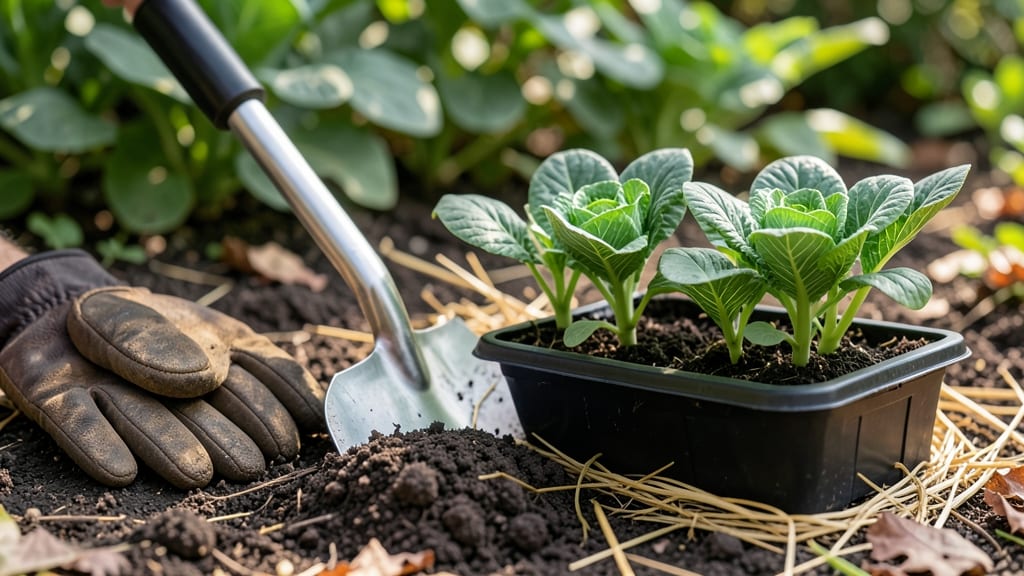
Timing your 🥬 cabbage planting in Indiana isn’t just about avoiding frost—it’s about dodging the dreaded bolting that turns your crisp heads into bitter, flowery disappointment.
With Indiana’s 5b-6b climate swinging from chilly springs to scorching summers, getting those seeds in the ground at the right moment makes all the difference between a bumper crop and a backyard bust.
You’ve probably heard the rule: plant early for spring harvests or late for fall bounty, but here’s the catch—Indiana’s last frost date can shift by 2 weeks from year to year.
That means your March-April window might need adjusting based on whether your soil is ready (hint: it’s not just about air temperature).
What if I told you there’s a 3-step method to lock in perfect planting times, whether you’re growing heat-tolerant Savoy or classic Golden Acre?
We’ll break down exactly when to start seeds indoors, when to transplant, and how to stretch your harvest with succession planting—so you’re not left scrambling when your neighbors’ gardens are already yielding.
Skip the guesswork and the wasted seeds. By the end, you’ll know the precise frost-free timeline for your cabbage variety, plus how to handle Indiana’s unpredictable weather like a pro. Let’s get those 🥬 plants in the ground the right way.
Indiana cabbage planting calendar: exact dates by variety to prevent bolting
Indiana's USDA Zones 5b-6b mean cabbage thrives in both spring and fall, but timing is critical. Plant too early, and cold snaps cause bolting; too late, and summer heat triggers premature flowering.
The key is aligning your variety with Indiana's 165-day frost-free window, starting 4-6 weeks before last frost (around March 20-April 15) for spring or 8-10 weeks before first frost (around July 1-August 15) for fall.
For spring plantings, focus on early-maturing varieties like Golden Acre (58 days) or Red Express (60 days) to avoid summer bolting. Fall plantings should use heat-tolerant varieties like Savoy King (70 days) or Copenhagen Market (85 days) to extend harvest into October.
Soil temperatures below 40°F or above 80°F stress cabbage, so adjust timing based on your microclimate.
🌱 Did You Know? Indiana's humid summers can cause black rot or clubroot—choose disease-resistant varieties like Baroness (75 days) for better success.
| Variety | Days to Maturity | Spring Planting Window | Fall Planting Window | Best For |
|---|---|---|---|---|
| Golden Acre | 58 | March 20-April 5 | July 15-August 1 | Early harvest, heat-sensitive |
| Red Express | 60 | March 25-April 10 | July 10-August 10 | Spring/fall, compact heads |
| Savoy King | 70 | April 1-May 1 | July 1-August 15 | Heat-tolerant, late fall harvest |
| Copenhagen Market | 85 | April 15-May 10 | July 1-August 10 | Storage, cold-hardy |
| Baroness | 75 | March 30-April 15 | July 10-August 5 | Disease-resistant, versatile |
For northern Indiana (Zone 5b), aim for late March to early April plantings, while southern Indiana (Zone 6b) can start as early as mid-March.
Use row covers if nighttime temps dip below 45°F to protect young seedlings. Succession planting every 2-3 weeks ensures a continuous harvest, especially for short-day varieties like Copenhagen Market.
Always check your local frost dates—Indiana's last frost can vary by 2 weeks between years. For example, Fort Wayne averages April 15, while Evansville sees April 5. Adjust your schedule accordingly to avoid bolting or poor head formation.
Pro tip: Direct-sow seeds in late spring (May) for a summer crop if you miss the ideal window—just be prepared for smaller heads due to heat stress. Transplants (from nurseries) give you a 2-week head start and are ideal for fall plantings.
Monitor soil temperatures—cabbage grows best when soil is between 60-75°F. Use a soil thermometer to confirm readiness. If your soil is too cold, wait until temps rise or use <
How to adjust cabbage planting for Indiana’s unpredictable weather patterns
Indiana’s unpredictable spring frosts and sweltering summer heat can turn a great cabbage harvest into a gamble. For example, a late frost in mid-April can wipe out young seedlings overnight, while a heatwave in June might cause bolting—when cabbage flowers prematurely instead of forming heads.
The key is flexibility in your planting strategy.
Start by checking your local frost-free dates—Indiana’s average last frost is April 15, but it can vary by 1-2 weeks depending on your microclimate. If you’re in northern Indiana (Zone 5b), err on the side of caution and wait until mid-April to plant.
In southern Indiana (Zone 6b), you can plant as early as late March.
For transplants, harden them off for 7-10 days before setting them in the ground. This helps them withstand temperature fluctuations and light wind. If a frost warning pops up after planting, cover seedlings with frost cloth or row covers—these can protect them down to 20°F.
Late frosts are the #1 enemy of young cabbage. If temperatures dip below 32°F after planting, your seedlings can suffer cold damage or even die. Always monitor 5-day forecasts and have row covers ready!
🌡️ Pro Tip: Plant near a windbreak (like a fence or hedge) to protect seedlings from chilling winds.
Indiana’s summer heat is another challenge. Cabbage prefers cool temperatures (60-70°F), and when it gets too hot, it bolts. To beat the heat, opt for late-summer plantings (July-August) for a fall harvest.
Choose heat-tolerant varieties like ‘Golden Acre’ or ‘Red Express’, which handle 80°F+ temperatures better than others.
Extend your harvest window with succession planting. Instead of planting all your cabbage at once, stagger plantings every 2-3 weeks from March to July. This ensures a steady supply of fresh heads and reduces the risk of losing your entire crop to weather extremes or pests.
Finally, mulch your cabbage beds with straw or shredded leaves to keep soil cool and moist. This is especially critical in June and July, when Indiana’s humidity can lead to fungal diseases like black rot. Mulch also suppresses weeds, which compete with cabbage for nutrients and water.