Plants
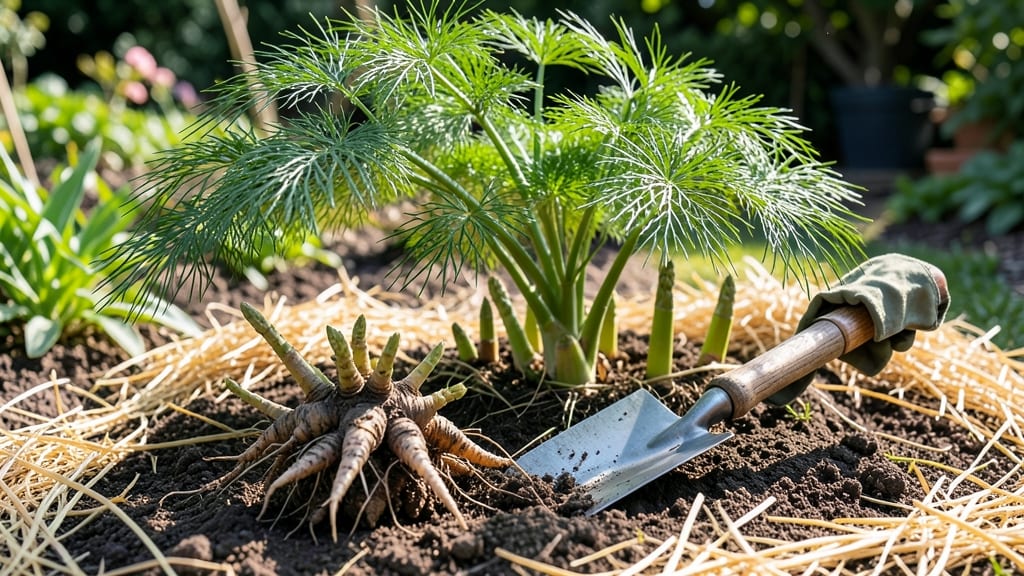
If you're a Massachusetts gardener dreaming of harvesting your own homegrown asparagus🌱, timing your planting is the single most important decision you'll make. Plant too early, and frost will nip your young shoots before they even take root.
But get it just right, and you'll enjoy fresh, tender spears for years—without the guesswork.
Most gardeners in USDA Zones 5b-6b (which covers nearly all of Massachusetts) should plant asparagus crowns in early spring, as soon as the soil warms to at least 50°F. That usually means late April or early May, but don’t rush—cold, soggy soil will delay growth and invite rot.
The key is patience and paying attention to your local frost dates.
Here’s what you’ll discover in this guide: the exact planting window for your region, step-by-step prep work to set your asparagus up for success, and the biggest mistakes Massachusetts gardeners make that lead to failed harvests.
Whether you're a first-time planter or a seasoned pro, these insights will help you avoid frustration and maximize your yield.
Ready to turn your garden into a year-round asparagus powerhouse? Let’s break down the best months to plant, how to prep your soil, and what to watch for as the seasons change. Your future harvest starts now.
Best months to plant asparagus in Massachusetts (climate-specific guide)
Massachusetts’ USDA hardiness zones 5b-6b and variable frost dates make timing critical for asparagus success. Unlike annuals, asparagus crowns need 60-90 days of warm soil to establish roots before winter. Plant too early, and frost will stun growth; too late, and you’ll delay harvests by a full year.
Most Massachusetts gardeners achieve the best results by planting asparagus crowns in early spring (late March to mid-April) or early fall (September to early October). Spring planting aligns with soil warming, while fall planting allows roots to establish before winter dormancy.
Coastal areas (like Cape Cod) enjoy earlier soil warming due to moderating ocean breezes, while inland regions (Western MA) often wait 1-2 weeks longer for consistent 50°F soil temperatures.
Always check your local last frost date—Boston typically sees it around April 15, while Springfield waits until May 1.
For maximum yield, aim to plant asparagus crowns when soil reaches 50°F (10°C) and stays above 40°F (4°C) at night. Use a soil thermometer to verify—this usually happens in late April for coastal zones and early May inland.
Fall planting offers advantages: cooler air reduces crown stress, and established roots handle winter better. However, plant at least 6-8 weeks before first frost (typically October 15-30 in MA) to allow root development before dormancy.
| Planting Window | Soil Temp Requirement | Best For | MA Regions |
|---|---|---|---|
| Late March–Mid-April | 50°F+ consistently | First-year harvests | Coastal (Zone 6b) |
| Mid-April–Early May | 55°F+ consistently | Established roots | Inland (Zone 5b) |
| September–Early October | 60°F+ (daytime) | Winter hardiness | All regions |
Spring planting yields first harvests in year 2, while fall-planted crowns may delay harvests until year 3 but produce more robust spears long-term. For fastest results, prioritize spring planting in well-draining, amended soil with compost and sand.
Never plant asparagus in frozen or waterlogged soil—this causes crown rot. If spring planting coincides with unpredictable late frosts, use row covers to protect young shoots until temperatures stabilize above 50°F.
Pro tip: Soak asparagus crowns in water for 2-4 hours before planting to encourage root growth. This is especially helpful in dry spring soils common in Western MA.
🌱
Best months to plant asparagus in Massachusetts (climate-specific guide)
Massachusetts gardeners face a unique challenge with asparagus because the Bay State’s short growing season and variable frost dates demand precision. Unlike annuals, asparagus crowns need 60–90 days of warm soil (50°F+) to establish roots before winter.
Plant too early, and frost will kill tender shoots; too late, and you’ll delay harvests by a year or more.
For USDA Zones 5b–6b (covering most of Massachusetts), the ideal planting window spans just 4–6 weeks—typically from late March to mid-April for spring planting. Fall planting is possible but riskier due to earlier frosts in inland areas like Worcester or Springfield compared to coastal regions like Cape Cod.
| Planting Window | Soil Temp Requirement | Frost Risk | Best For |
|---|---|---|---|
| Late March–Mid-April | 50–60°F | Low (after last frost) | Spring harvest in Year 2 |
| Mid-September–Early October | 55°F+ | High (inland areas) | Established plants only |
Coastal areas like Providence or Boston can push spring planting to early April thanks to warmer microclimates and delayed frosts. Inland regions (e.g., Western MA) should wait until mid-April to avoid soil temperatures below 50°F, which stunts root growth.
Check your local USDA frost date—typically April 15 for most of MA—to time planting.
Fall planting is only recommended for experienced gardeners with well-draining soil and a protective mulch layer. Plant crowns in late September (Zone 6b) or early October (Zone 5b), ensuring they establish roots before first hard frost (usually November 1).
Young plants are not cold-hardy and will die if exposed to freezing soil.
Pro tip: Use a soil thermometer to confirm 50°F+ soil temps before planting. In cool springs (like 2022’s late frost), wait until May—just know this delays harvests by 6–12 months. Patience pays off with asparagus’s perennial rewards!
Remember: Asparagus crowns take 2–3 years to mature, so planting at the right time ensures you’re not waiting an extra season for spears. Aim for late March–mid-April for spring, and only attempt fall planting if you’re in a warmer microclimate like the South Shore.