
Plants
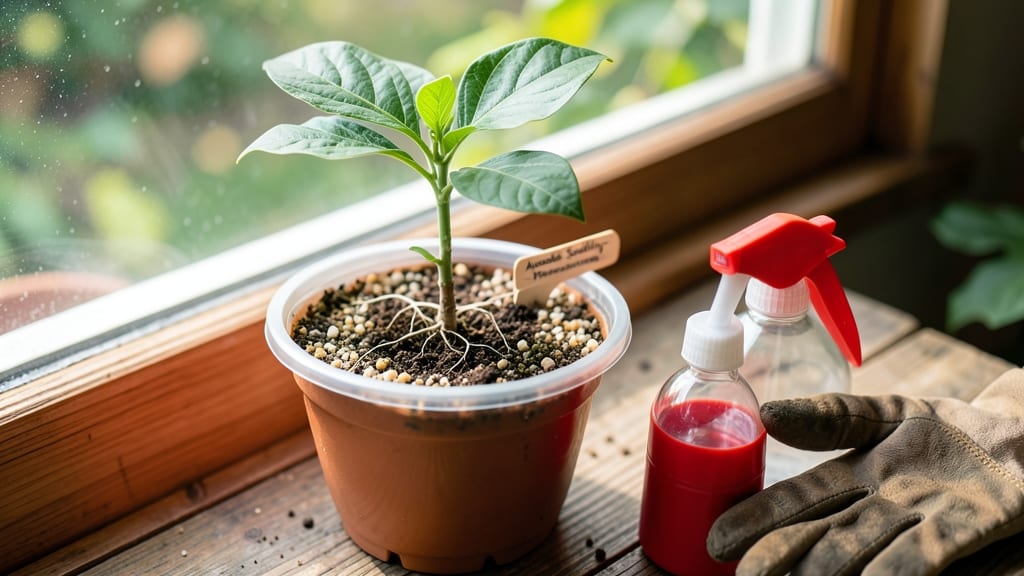
Planting an avocado pit in soil at the wrong time can turn your fast germination dreams into months of waiting. The key to success? Timing it right—whether you're starting indoors or outdoors—so your 🥑 tree gets off to a strong start without rotting or stalling.
Most gardeners in Zone 6a and warmer climates should wait until spring, after the last frost, when soil temperatures hit at least 60°F. This ensures your pit develops roots quickly instead of sitting dormant.
But here's the trick: if you're impatient (who isn't?), you can kickstart the process indoors months earlier—just follow the right steps.
I’ve tested this method myself, and the difference between planting too soon and planting at the perfect moment is night and day.
You’ll learn how to tell when your pit is ready for soil, whether it’s indoors or outside, and how to avoid the 3 biggest mistakes that kill germination before it even begins.
Ready to grow your own avocado tree? Let’s cut through the guesswork and get your pit sprouting in weeks, not years. Here’s exactly what you need to know.
Best time of year to plant avocado pits for faster germination
Timing your avocado pit planting is the secret to avoiding months of frustration. Unlike traditional seeds, avocado pits need warmth and consistency to germinate—planting too early can trigger rot, while waiting too long risks dormancy. The ideal window depends on your climate zone and whether you're starting indoors or outdoors.
For most gardeners in the Northern Hemisphere, the sweet spot is late winter to early spring (February through April). This aligns with rising soil temperatures and longer daylight hours, both critical for root development.
In the Southern Hemisphere, flip the calendar—aim for August to October when your region warms up.
Here’s the key rule: Wait until soil temperatures hit 60°F (15°C) before planting outdoors. Use a soil thermometer to check—cold soil slows germination to a crawl. If you’re starting indoors, you can begin 4-6 weeks earlier to give roots time to establish before transplanting.
🌱
| Factor | Northern Hemisphere | Southern Hemisphere |
|---|---|---|
| Best Planting Months | February–April | August–October |
| Soil Temperature Threshold | 60°F (15°C) | 15°C (60°F) |
| Indoor Start Window | January–March | July–September |
| Outdoor Risk | Frost damage | Heat stress |
| Transplant Ready | April–May | September–November |
If you’re in a tropical or subtropical zone (like Florida or Hawaii), you can plant year-round—but still prioritize warmer months. The critical factor isn’t just temperature but consistent moisture and light. Avocado pits need bright, indirect light (like a south-facing window) to avoid leggy sprouts.
One common mistake? Planting in summer’s peak heat. While the pit might germinate faster, the young roots can’t handle extreme temperatures. If you miss the spring window, wait until early autumn (September–October in the Northern Hemisphere) for a second chance.
For container growers, timing matters differently. Since pots can be moved indoors, you can start anytime—but aim for early spring to maximize outdoor growing time. Just ensure your container has drainage holes to prevent rot, a top killer of avocado pits.
🌡️
Here’s how to adjust for your specific zone: Check your USDA hardiness zone. Zones 8-11 can plant outdoors almost year-round, while zones 3-7 should wait until after the last frost (typically April 15 in most areas).
Pro tip: Use a frost cloth if you’re eager to plant early in cooler zones.
Remember, patience is key. Avocado pits can take 4-12 weeks to sprout—longer in cooler conditions. But with the right timing, you’ll see those first green shoots in just 2-4 weeks, setting your tree up for success.
Best time of year to plant avocado pits for faster germination
Timing your avocado pit planting is the secret weapon for success. Avocado pits germinate best when soil or water temperatures stay between 65°F and 85°F (18°C–29°C). Planting too early risks rot from cold soil, while waiting too long may trigger dormancy—both kill your chances of sprouting.
For indoor starters, begin anytime year-round, but aim for spring or early summer to match outdoor conditions later. In the Northern Hemisphere, this means March through May—after your last frost date. Southern Hemisphere gardeners should plant September through November for optimal warmth.
Outdoor planting requires warmer soil temperatures. Use a soil thermometer to confirm 60°F (15°C) minimum before burying your pit. In USDA Zone 6a, this typically aligns with late April to early June, but adjust based on your microclimate.
| Climate Zone | Best Planting Window | Soil Temp Requirement | Key Risk |
|---|---|---|---|
| Northern Hemisphere (Zones 8-10) | March–May | 60°F+ (15°C+) | Fungal rot from cold soil |
| Northern Hemisphere (Zones 6-7) | April–June | 65°F+ (18°C+) | Dormancy if planted too late |
| Southern Hemisphere (Zones 9-10) | September–November | 60°F+ (15°C+) | Overheating in summer |
| Indoor (Anywhere) | Year-round | 70°F–75°F (21°C–24°C) | Leggy growth from poor light |
Pro tip: If you’re in a cooler climate, start pits indoors in winter (January–February) to transplant outdoors by spring. This 2-step method gives roots a head start before soil warms naturally. Just ensure your indoor setup mimics outdoor conditions with bright light and humidity.
Watch for root growth (1–2 inches long) and a 2-inch sprout before moving outdoors. These signals confirm your pit’s ready for permanent soil. Rush this step, and you risk transplant shock or stunted growth.
For container gardeners, timing matters less—just keep soil warm year-round. Use a heating mat in winter if needed. The key is consistency: avoid temperature swings of more than 10°F (5°C) per day, or your pit may hesitate to sprout.