
Plants
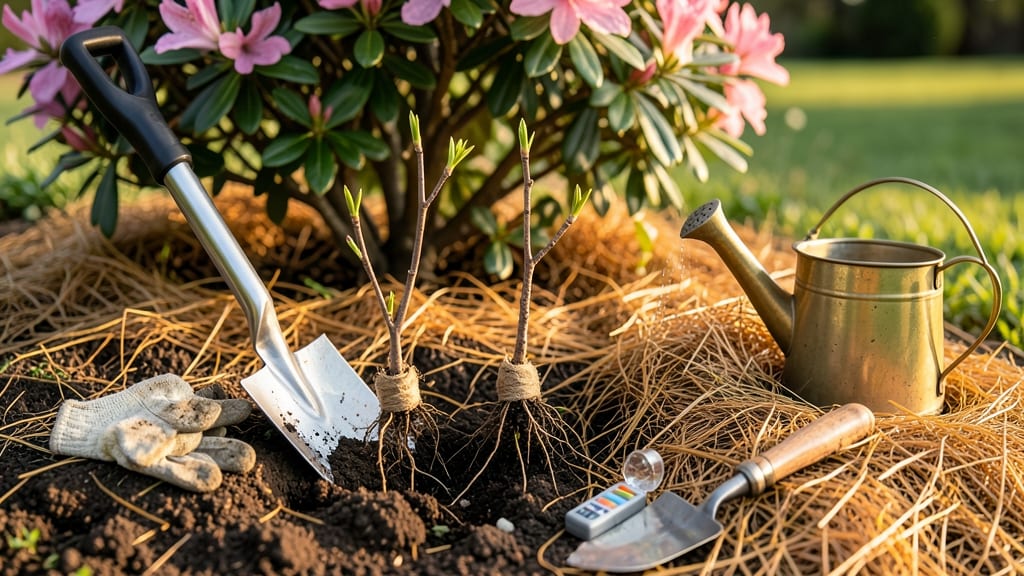
Planting azaleas in Louisiana at the wrong time can mean struggling with weak roots or missed blooms—so getting the timing right is the key to vibrant 🌸 displays that last.
The humid climate and shifting seasons make this state tricky for gardeners, but with the right schedule, your azaleas will thrive year after year.
Fall and early spring are your best bets for planting, when Louisiana’s temperatures and soil conditions create the perfect environment for root establishment. Avoid the heat of summer or late frosts that can shock delicate azalea roots, especially in zones 8a-9b where weather shifts quickly.
Whether you’re planting bare-root azaleas or container-grown varieties, knowing the ideal window helps prevent common pitfalls like transplant shock or fungal issues. I’ll walk you through the exact months to plant, plus care tips tailored to Louisiana’s climate so your azaleas bloom beautifully.
Ready to transform your yard into a lush, colorful retreat? Let’s dive into the best planting schedule and post-planting care to keep your azaleas happy and healthy in the Bayou State.
Louisiana azalea planting calendar: best months by climate zone
Louisiana’s humid subtropical climate means azaleas thrive with the right timing—plant too early, and you risk late frosts; too late, and summer heat stresses roots. The ideal window spans September through November and February to March, but your USDA zone (8a-9b) dictates precision.
Northern Louisiana (e.g., Shreveport) has cooler winters, while southern areas (e.g., New Orleans) face milder winters but intense summer humidity. Central regions balance both extremes. Let’s break down the perfect planting months for each zone to ensure root establishment before extreme weather hits.
Here’s your zone-specific azalea planting schedule, including soil temperature cues and humidity adjustments for Louisiana’s high moisture levels:
| Zone | Best Planting Months | Soil Temp (°F) | Humidity Tip | Avoid |
|---|---|---|---|---|
| North (8a) | September–October, February–March | 55–65°F | Water deeply after planting; mulch to retain moisture | Late November (frost risk) |
| Central (8b) | October–November, February | 60–70°F | Use acid-loving mulch (pine straw) to combat humidity | April (summer heat stress) |
| South (9a-9b) | November, February–March | 65–75°F | Plant in partial shade to avoid afternoon sunburn | June–August (extreme heat) |
For bare-root azaleas, Louisiana gardeners swear by fall planting—roots establish before summer’s heat, and winter rains keep soil moist. If you prefer container-grown plants, spring planting (February–March) works, but acclimate them gradually to avoid transplant shock from Louisiana’s sudden temperature swings.
Pro tip: Test your soil’s acidity (pH 4.5–6.0) before planting. Louisiana’s clay-heavy soils often need amendments like peat moss or sulfur to mimic azaleas’ native acidic forest floors. A simple soil test kit (available at local nurseries) saves guesswork.
Timing isn’t just about months—it’s about microclimates. A north-facing yard stays cooler than a south-facing one, so adjust by 2–4 weeks if your spot gets scorching afternoon sun. For example, New Orleans’ urban heat islands may push planting to late October instead of September.
Once planted, mulch heavily (3–4 inches) to lock in moisture and regulate soil temps. Louisiana’s high humidity can lead to fungal issues, so avoid wet mulch—opt for pine straw or cypress mulch, which drain well.
Water deeply once a week (more in summer) to encourage deep root growth.
Remember: Azaleas planted in fall often bloom earlier and more vigorously than spring-planted ones. That’s because they’ve had months to establish roots before summer’s stress. For year-round color, stagger plantings—add a few spring varieties (like Knightsbridge) in February for late-spring blooms.
Finally, avoid planting during Louisiana’s rainy season (May–June). Soggy soil smothers roots, and hurricane season (June–November) can uproot young plants. If you must plant in summer, choose overcast days and water immediately after to help roots settle.
With this zone-tailored schedule, your azaleas will hit the ground running—literally. Next, we’ll cover how to spot perfect planting conditions (and when to bail). 🌸
Signs your Louisiana azalea planting timing is perfect (or terrible)
Planting azaleas at the wrong time in Louisiana can turn your dream garden into a fungal hotspot or a wilted disappointment. But how do you know when conditions are just right?
The key lies in soil warmth, humidity levels, and rainfall patterns—all of which signal whether your azaleas will thrive or struggle.
First, check the soil temperature. Ideal planting soil should be between 55–75°F, depending on your zone. Stick a soil thermometer 2–3 inches deep—if it’s cooler than 55°F, roots may not establish before winter frosts hit.
In southern Louisiana (9a-9b), wait until soil warms to 65°F to avoid heat stress.
Next, monitor humidity and rainfall. Louisiana’s high humidity (often 70–90%) can drown roots if planted during prolonged rain. Aim for dry-to-moderately moist soil—if your yard’s been soggy for 3+ days, hold off until conditions dry out.
A clear forecast for 5–7 dry days after planting is ideal.
🚨 Watch for these red flags that your timing is wrong:
⚠️ Terrible Timing Alerts
- Soil temp below 55°F → Roots won’t activate; risk of frost damage.
- Heavy rain forecasted → Soggy soil smothers roots; fungal diseases like root rot thrive.
- Humidity >90% for 3+ days → Creates a fungal breeding ground; azaleas suffocate.
- Afternoon temps >90°F → Bare-root plants bake in heat; container plants dry out too fast.
🌧️ Pro move: Plant on a cool, cloudy day—avoid midday sun and high winds, which dry roots before they can settle.
On the flip side, perfect planting conditions include warm soil, moderate humidity (60–80%), and a gentle rain forecast in the week after planting. Louisiana’s fall rains (September–October) are ideal—they keep soil moist without drowning roots.
If you’re planting in spring (February–March), aim for dry spells to let roots establish before summer’s intense heat kicks in.
Pay attention to local microclimates. A shady spot under oak trees stays cooler and more humid than an open sunny yard. If your azaleas are wilting or yellowing within 2 weeks of planting, it’s a sign of transplant shock—likely from stressful timing or poor soil prep.
Adjust by mulching thicker (4+ inches) or watering deeper.
Finally, trust your azalea’s leaves. Healthy new growth after planting means roots are settling in. If leaves curl or drop, it’s a cry for help—either too much sun, not enough water, or wrong timing.
In Louisiana’s climate, partial shade and consistent moisture are non-negotiable for first-year survival.
Remember: Fall-planted azaleas in Louisiana often bloom earlier and bigger than spring-planted ones because they’ve had months to root before summer’s stress. But if you miss the ideal window, don’t panic—just adjust care (more water, extra mulch) and try again next season. 🌿