
Plants
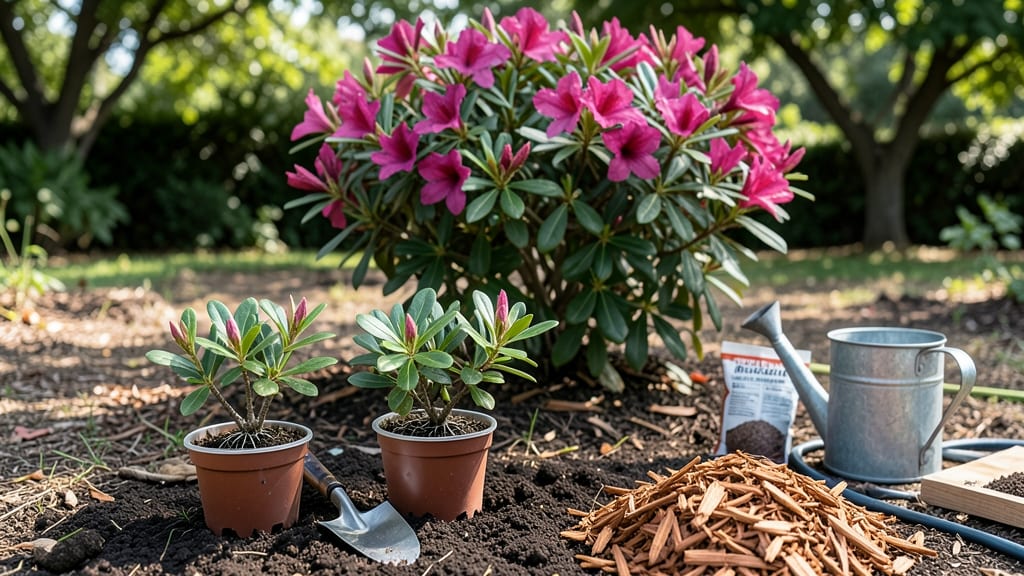
Timing your azalea planting in Texas isn't just about the calendar—it's about matching your 🌸 azalea's chill-hour needs to your local climate. Plant too early, and those tender roots will fry in summer's brutal heat; too late, and your shrub may never bloom.
The key? Understanding your zone's frost dates and chill hours to give your azaleas the perfect head start.
Most Texas gardeners swear by fall planting (October-December) because cooler temps and winter rains help roots establish before summer's intensity. But if you're in Gulf Coast zones like 9a-10b, where winters are milder, early spring (February-March) works just as well.
The trick is planting 6-8 weeks before your first frost—so for Central Texas (Zone 8a), that means October; for East Texas (7b-8b), aim for November.
Why does this matter? Azaleas need 400-800 chill hours (below 45°F) to bloom, and Texas' varied microclimates mean what works in Dallas won't in Houston. Alkaline soil, humidity swings, and summer heat add extra challenges—so getting the timing right isn't just about aesthetics.
It's about survival. Let's break down the exact windows for your region and how to prep your soil for success.
You'll also discover how to choose heat-tolerant varieties that thrive in your specific zone, plus a simple checklist to avoid common mistakes. Whether you're a first-time gardener or a seasoned pro, these insights will help your azaleas grow strong—and bloom like they're in a nursery, not a Texas heatwave.
Texas azalea planting timeline by chill-hour zones
Texas spans three chill-hour zones, each dictating the perfect window to plant azaleas. North Texas (400-600 hours) needs early fall planting, while Central Texas (600-800 hours) can extend into December. Gulf Coast (800+ hours) gardeners should plant in late fall or early spring to avoid summer heat stress.
Always verify your zone using the Texas A&M AgriLife Extension chill-hour calculator.
Fall planting is ideal because cooler temperatures reduce transplant shock, and azaleas establish roots before winter. North Texas gardeners should aim for October to early November, while Central and South Texas can plant until December 1st.
Spring planting is riskier but works if done by February—just be ready to water deeply as temperatures rise.
Here’s the breakdown by region:
| Zone | Chill Hours | Best Planting Window | Key Consideration |
|---|---|---|---|
| North Texas (Dallas, Fort Worth) | 400-600 | October 15 – November 15 | Avoid late planting; frost risk after Nov 15. |
| Central Texas (Austin, San Antonio) | 600-800 | November 1 – December 1 | Soil stays warm; mulch heavily to retain moisture. |
| South Texas (Houston, Gulf Coast) | 800+ | December 1 – February 15 | Spring planting preferred; summer heat is deadly. |
Pro tip: Use mulch (2-3 inches of pine bark) to insulate roots in winter and conserve moisture in summer. This is especially critical in West Texas, where soil can dry out quickly. Always water deeply 1-2 weeks after planting to encourage root growth into the surrounding soil.
If you’re in a transitional zone (e.g., East Texas near the Louisiana border), err on the side of earlier fall planting. These areas experience unpredictable frosts, and young azaleas won’t survive a late freeze. Monitor local forecasts and adjust your timeline accordingly.
Spring planting is a backup option but requires consistent watering every 5-7 days until roots establish. Avoid planting after March 1st—summer’s brutal heat will stress newly transplanted azaleas. If you must plant in spring, choose shade-tolerant varieties like 'Coral Bells' or 'George L. Taber'.
For container-grown azaleas, timing is less critical, but still aim for fall or early spring. Containers dry out faster, so water every 3-5 days during Texas summers. Move pots to shadier spots in peak afternoon heat to prevent leaf scorch.
Remember: Azaleas need 6-8 weeks to establish roots before summer’s heat arrives. If you plant in late spring, expect stunted growth or even plant death. Plan ahead and give your azaleas the best possible start!
How to match azalea varieties to Texas heat tolerance
Not all azaleas thrive in Texas’s sweltering summers, but the right cultivars can handle our 90°F+ heat and alkaline soil. Southern indigenous azaleas (like 'Coral Bells') are your best bet—they’ve evolved to survive Gulf Coast humidity and West Texas droughts.
Northern varieties (e.g., 'George L. Taber') need cooler climates and may struggle in South Texas without extra shade.
Start by checking your chill-hour zone. North Texas (400-600 hours) can grow evergreen azaleas like 'Pink Pearl', while Central Texas (600-800 hours) should stick to deciduous types such as 'Hino Crimson'. Gulf Coast gardeners (800+ hours) must choose heat-tolerant hybrids like 'Birmingham', which blooms in late spring to avoid summer stress.
| Variety | Chill Hours | Best Texas Region | Heat Tolerance | Bloom Time |
|---|---|---|---|---|
| 'George L. Taber' | 400-600 | North/Central | Moderate (needs shade) | Spring |
| 'Coral Bells' | 600-800 | Central/South | High (drought-tolerant) | Late Spring |
| 'Birmingham' | 800+ | Gulf Coast | Very High | Summer |
| 'Pink Pearl' | 500-700 | North/East | Low (needs afternoon shade) | Spring |
| 'Hino Crimson' | 600-900 | Central/East | Moderate | Spring |
For West Texas, where summers are dry and intense, prioritize evergreen azaleas like 'Rotundiloba'. These varieties shed leaves in extreme heat but regrow quickly once temperatures drop. Drip irrigation is a game-changer here—it delivers deep, infrequent watering that mimics natural rainfall and prevents root rot.
If you’re in East Texas, where humidity is high, opt for deciduous azaleas like 'Southern Indica'. They handle summer rain better than evergreens and bloom earlier in spring to avoid heat stress. Pair them with mulch to keep roots cool and moist during 95°F+ afternoons.
Pro tip: Test your soil pH before planting—Texas soil is often alkaline (7.0+), but azaleas need acidic soil (4.5-6.0).
Amend with pine bark fines or sulfur to create the perfect growing environment. Container-grown azaleas are easier to manage in alkaline soil, as you can control the pH with peat moss mixes.
Remember: Color matters! Darker blooms (like 'George L. Taber') absorb more heat, while lighter varieties (like 'Coral Bells') reflect sunlight. Choose based on your microclimate—shady spots can support heat-sensitive varieties, while sunnier areas need heat-tolerant hybrids.