
Plants
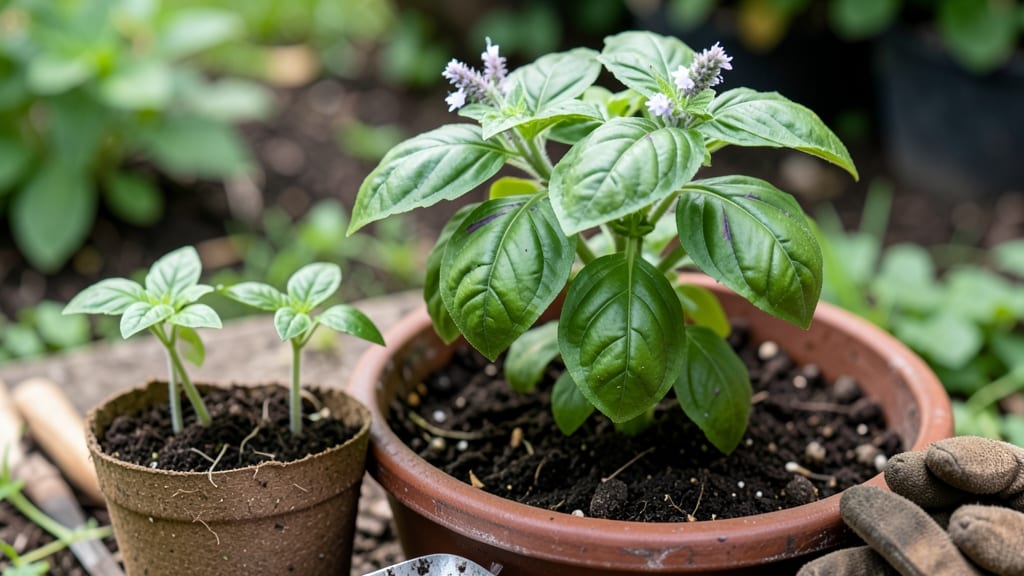
Timing your basil planting in Colorado can mean the difference between a thriving herb garden and a frost-killed disappointment—especially when elevation zones shift your last-frost dates by weeks.
If you've ever watched your 🌿 basil plants wilt overnight after a surprise frost, you know how critical getting the timing right is. Colorado's diverse climate means what works in Denver's 5-7 USDA zones might fail in the Western Slope's higher elevations.
Let me show you exactly when to plant for your specific location.
The key is waiting until after your area's last frost date—typically late April to early May for most of the state—but this can vary dramatically depending on whether you're in the Front Range or mountain regions. I'll break down the exact windows you need to know.
You'll also discover how to prepare your soil, whether to start seeds indoors, and clever tricks to extend your basil's growing season so you can enjoy fresh leaves from late June through September. Let's get your garden growing right!
Colorado’s basil planting deadlines by elevation zone
Colorado’s diverse elevations create a patchwork of planting windows for basil. The Front Range (3,000–5,000 ft) enjoys earlier last-frost dates, while mountain zones (7,000+ ft) face delayed starts.
Timing matters—basil won’t survive even light frost, and cool soil stunts growth. Let’s break down your elevation zone and the perfect planting window to maximize your harvest.
For lowland Colorado (3,000–5,000 ft), like Denver or Colorado Springs, aim to plant basil after May 1. This gives you a 120–140-day growing season before first frost hits in late October. In foothills (5,000–7,000 ft), shift your timeline to May 15–20 to avoid late-spring frosts.
Meanwhile, mountain gardeners (7,000+ ft) should wait until June 1 or later, as frost risk lingers well into June.
Here’s the key: soil temperature must reach 50°F+ for seeds to germinate. Use a soil thermometer to check—cold soil delays sprouting by weeks. If you’re starting seeds indoors, begin 6–8 weeks before your zone’s last frost date.
For nursery plants, wait until all frost risk has passed and nights stay above 45°F.
Pro tip: Heat-loving basil thrives in warm soil, so consider using black plastic mulch to raise soil temps faster. This is especially helpful in high-elevation areas where summers are short. Pair this with succession planting—sow new seeds every 2–3 weeks—to stretch your harvest into early fall.
🌱
If you’re starting seeds indoors, begin in March for lowlands or April for mountains. Transplant seedlings outdoors only after hardening them for 7–10 days and when nighttime temps stay above 50°F.
For direct sowing, wait until soil is warm—70°F+ speeds up germination. In high-elevation areas, consider container growing to move pots indoors before first frost.
Don’t overlook microclimates—southern exposures warm up faster, while northern slopes stay cooler. Use these to your advantage by planting basil in the warmest spots first. Pair with fast-maturing varieties like 'Genovese' (50–60 days) or 'Sweet Basil' (45–50 days) to maximize yields before Colorado’s first frost.
For container gardeners, black pots absorb heat and extend the season by 2–3 weeks. Place containers on patios or decks where they’ll catch afternoon sun. If you’re in a mountain zone, opt for dwarf varieties like 'Mini Basil' to fit smaller pots and harvest earlier.
🌿
Remember: basil is a warm-season herb, so rushing the process leads to leggy, flavorless plants. Patience pays off—wait for the right conditions, and you’ll enjoy fresh basil from late June to September, even in Colorado’s cooler climates.
How to extend your basil season in Colorado’s short growing window
Colorado’s short growing season and high-elevation climate can challenge basil lovers, but with the right strategies, you can enjoy fresh basil from early June to late September. The key is protecting tender plants from late frosts and early heat waves while maximizing sunlight exposure. Whether you’re growing basil in Denver’s Front Range or the Western Slope’s higher elevations, these techniques will help you stretch your harvest window. Start by choosing heat-tolerant basil varieties like Genovese or Spicy Globe, which handle Colorado’s summer heat better than delicate types. Pair this with succession planting—sow new seeds every 2-3 weeks after your first planting to ensure a continuous supply. This works especially well in container gardens, where you can move pots to optimize sunlight and protect from chilly nights.Use Cold Frames or Row Covers
Extend your early season by 2-3 weeks using cold frames or floating row covers. These protect seedlings from late spring frosts while allowing sunlight to penetrate. Remove covers during the day once temperatures rise above 50°F to prevent overheating.
Implement Shade Cloth for Summer
When Colorado’s July temperatures soar above 90°F, basil can bolt or develop bitter flavors. Use 30-50% shade cloth to filter intense sunlight while maintaining 6+ hours of light. Secure cloth with stakes and adjust as the sun shifts.
Harvest Strategically to Prolong Growth
Pinch off flower buds and lower leaves regularly to encourage bushier growth. Harvest leaves in the morning when essential oils are at peak flavor. Avoid cutting more than 1/3 of the plant at once to prevent stress.
Try Indoor Growing for Late Season
As fall approaches, move potted basil indoors near a south-facing window or under grow lights. Prune plants to 6-8 inches tall before bringing them inside to encourage compact growth. Reduce watering slightly to prevent root rot in lower-light conditions.