
Plants
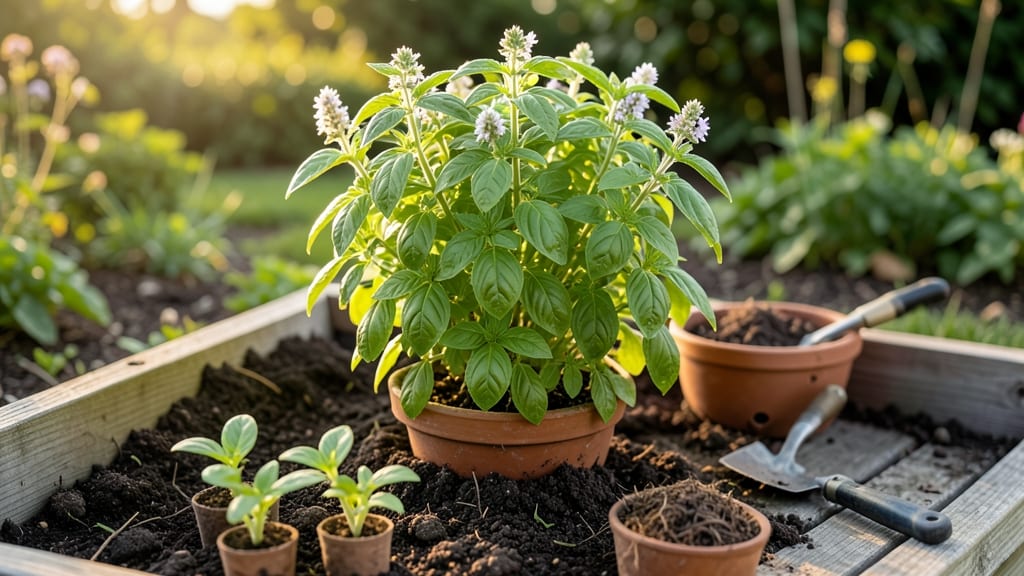
The wrong timing for planting basil in Missouri could mean stunted plants, bitter leaves, or even lost seedlings before they sprout. Since your growing season hinges on avoiding frost—especially in Zone 5b-6b—getting the window right is the key to a thriving 🌿 harvest.
Most Missouri gardeners wait until after the last frost, typically mid-April to early May, but that’s just the start. Soil temperature, microclimates, and even urban heat islands can shift your ideal planting date by weeks.
I’ll break down exactly when to plant—whether you’re starting seeds indoors or sowing directly—so you maximize your basil’s flavor and yield.
You’ll also discover how to extend the season past summer’s peak heat, avoiding the dreaded "bolting" that turns sweet basil bitter. From companion plants to shade strategies, these Missouri-specific tips ensure your basil thrives from June through September.
Skip the guesswork and plant confidently—because in Missouri’s climate, timing isn’t just important. It’s everything.
Missouri basil planting deadlines by Zone 5 & 6 (with frost risk maps)
Missouri’s Zone 5 and 6 climates demand precision when planting basil. The last spring frost typically hits April 15 in most areas, but rural zones can lag by 1-2 weeks.
Urban heat islands may warm up faster, so check your local frost-free date using the Missouri Climate Center’s tools. Planting too early risks frost damage, while waiting too long cuts your harvest window short.
For direct sowing, wait until soil temperatures reach 50°F—usually mid-April to early May. If you’re transplanting seedlings, aim for late April to mid-May to give them time to establish roots before summer’s heat peaks.
In Zone 6b (southern Missouri), you can push planting to early June for a fall harvest, but bolting becomes a risk.
Missouri’s first fall frost usually arrives around October 15, leaving you about 165 frost-free days. Use this timeline to plan succession plantings or extend your season with containers. Urban gardeners in St. Louis or Kansas City may have 10-14 extra days of warmth due to microclimates.
| Zone | Last Spring Frost | First Fall Frost | Ideal Planting Window | Frost-Free Days |
|---|---|---|---|---|
| Zone 5b (Northeast MO) | April 20 | October 10 | May 1 - June 1 | 160-170 |
| Zone 6a (Central MO) | April 10 | October 20 | April 20 - June 15 | 180-190 |
| Zone 6b (Southeast MO) | April 5 | November 1 | April 1 - July 1 | 200-210 |
| Urban Microclimates (St. Louis/KC) | April 15 | October 25 | April 25 - June 10 | 175-185 |
If you’re starting basil seeds indoors, begin them 4-6 weeks before your last frost date. Use grow lights to prevent leggy seedlings, and harden them off for 7-10 days before transplanting.
For direct sowing, plant seeds ¼ inch deep in well-draining soil with full sun exposure. In Missouri’s heat, mulch around plants to retain moisture and prevent soil crusting.
Missouri’s humidity and summer heat can stress basil, so avoid planting in July or August unless you’re using shade cloth. Instead, opt for succession planting every 2-3 weeks from May through June to ensure a continuous harvest.
Container gardeners in urban areas can extend the season by moving pots indoors before frost.
For Zone 5 gardeners, focus on early May plantings to maximize growth before summer’s intensity. In Zone 6, you can experiment with late June plantings for a fall harvest, but monitor plants closely for signs of bolting.
Always prioritize well-draining soil and consistent moisture—Missouri’s clay soils can suffocate basil roots if not amended with compost.
Pro tip: Use a soil thermometer to confirm temperatures before planting. Basil thrives in 70-80°F soil, and cooler soils delay germination. If your area experiences late frosts, consider row covers for added protection during the critical first 2-3 weeks after transplanting.
Missouri’s western regions (like Springfield) often have warmer microclimates than the eastern side, so adjust your timeline accordingly. Always check local weather forecasts and historical data to fine-tune your planting schedule.
With the right timing, you’ll enjoy fresh basil from June through September—just in time for summer recipes and pest-repelling gardens!
How to extend basil’s growing season in Missouri (so you avoid bolting)
Missouri’s short growing season can cut basil harvests short, but with the right strategies, you can enjoy fresh leaves well into late summer. Basil bolts—sends up flower stalks—when stressed by heat or day length. Learn how to delay bolting and keep your plants productive longer.
Shade cloth is your first defense against Missouri’s intense July sun. A 30-50% shade cloth reduces heat stress while still allowing light. Install it when daytime temps hit 85°F+, typically by early July. This simple trick can add 4-6 weeks to your harvest window.
Urban gardeners in St. Louis or Kansas City can leverage container gardening to control microclimates. Place pots on patio rollers or use raised beds with wheels—move them to shaded areas during heatwaves. This flexibility lets you adjust sunlight exposure daily, preventing bolting while maximizing space.
Succession planting is another Missouri-proven tactic. Start new basil seeds or seedlings every 2-3 weeks from late May through July. This staggered approach ensures you always have fresh, non-bolting plants. Pair this with container growing to create a rolling harvest system that lasts until first frost.
Pruning is your secret weapon against bolting. Pinch off flower buds as soon as they appear—this redirects energy to leaf production. For extra bushiness, trim the top set of leaves when the plant reaches 6 inches tall.
Regular pruning keeps basil productive and delays the bolting trigger by 3-4 weeks.
Missouri’s humidity can also stress basil, so avoid overhead watering. Water at soil level in the morning to prevent fungal diseases that weaken plants. Mulch with straw or shredded leaves to retain moisture and regulate soil temperature—critical for heat-sensitive basil varieties like Genovese or Sweet Basil.
🌿