
Plants
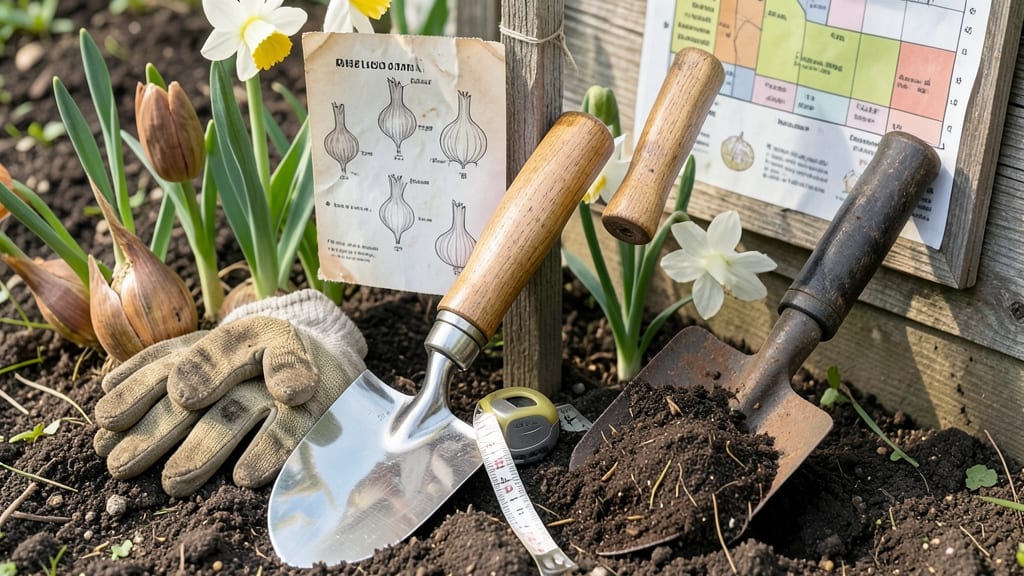
Timing your planting of bulbs in SC could mean the difference between a garden bursting with color and a season of disappointment.
South Carolina's mild winters and unpredictable weather make getting this right even more critical—one wrong move, and frost or heat can steal your blooms before they ever peek through the soil.
Most gardeners know fall is the prime window for planting 🌱 bulbs, but did you know the ideal months in SC stretch from September through November? This timing ensures roots establish before winter chill sets in, giving you vibrant tulips, daffodils, and crocuses by spring.
But here's the catch: your exact deadline depends on whether you're in cooler Zone 7B or warmer Zone 9A.
What you're about to discover isn't just about dates—it's about reading your local microclimate. We'll cover how to adjust for urban heat islands, container gardening quirks, and even that one late-March frost that caught so many off guard in 2021.
By the end, you'll know exactly when to plant for your specific bulbs and location, plus how to protect your investment when Mother Nature throws curveballs.
Let's dive into the frost-free deadlines that will transform your SC garden from "hopeful" to "showstopping" next season. Whether you're a first-time planter or a seasoned pro, these insights will help you avoid common mistakes and get the most from your 🌱 bulbs—no guesswork required.
South Carolina bulb planting deadlines by frost zone (7A-8B)
South Carolina spans USDA zones 7A through 8B, creating distinct planting windows for bulbs. In 7A (cooler zones like Greenville), you’ve got until mid-October for fall-planted bulbs, while 8B (warmer areas like Charleston) extends your window until late November.
Missing these dates risks bulbs sprouting too early and getting fried by winter freezes.
Most spring-blooming bulbs (tulips, daffodils, hyacinths) need 6-8 weeks of chilling before sprouting. Plant them 6-8 weeks before your first hard frost—typically September to November in SC. Summer-blooming varieties like dahlias and cannas go in February-March after the last frost.
Here’s your zone-specific deadline guide to avoid frost damage and ensure vibrant blooms:
| Zone & Location | Fall Planting Window | Key Deadline | Spring Planting Window | Notes |
|---|---|---|---|---|
| 7A (Greenville, Upstate) | September 15 - October 15 | Mid-October (before soil temps drop below 60°F) | February 15 - March 15 | Cooler nights; prioritize hardy bulbs like daffodils. |
| 7B (Columbia, Piedmont) | September 20 - October 31 | Late October (soil temps ~55°F) | February 20 - March 20 | Moderate climate; tulips thrive here. |
| 8A (Florence, Myrtle Beach) | October 1 - November 15 | Mid-November (soil temps ~50°F) | March 1 - March 31 | Warmer winters; extend window for summer bulbs. |
| 8B (Charleston, Hilton Head) | October 15 - December 1 | Early December (soil temps ~45°F) | March 15 - April 15 | Mild winters; try tropical bulbs like rain lilies. |
Use a soil thermometer to confirm temps—bulbs need 60°F+ soil for root growth. In urban heat islands (like downtown Charleston), soil stays warmer longer, so you can plant 2-3 weeks later than rural areas.
For container gardening, plant bulbs in pots by October 1 (7A) or November 1 (8B) to avoid root-bound stress. Smaller pots dry out faster, so water every 5-7 days once shoots appear.
Pro tip: Mark your calendar with frost dates from the National Weather Service or use the SC State Climatology Office’s local alerts. A late freeze in March 2021 wiped out early tulips across the state—don’t let that happen to your garden!
If you miss the fall window, spring planting is possible for hardy bulbs like daffodils and alliums, but expect smaller blooms the first year. For maximum impact, stick to the fall timeline.
🌱
Best bulbs to plant in SC by season & bloom time
South Carolina’s mild winters and long growing season make it possible to grow 🌱 bulbs that bloom in every season—from early spring crocuses to late-summer dahlias. The key is matching your bulb varieties to the right planting window and sunlight conditions.
For example, tulips and daffodils thrive when planted in fall (September-November) for spring blooms, while dahlias need a spring planting in March to shine in summer.
Native SC bulbs like rain lilies (Zephyranthes) and spider lilies (Hymenocallis) are perfect for low-maintenance gardens, as they handle our humidity and occasional drought better than many imported varieties. These perennial bulbs multiply over time, giving you more blooms each year with zero extra effort.
If you’re new to bulbs, start with hardy varieties like crocuses or alliums—they’re forgiving and bloom early, signaling that spring has arrived.
For a colorful spring display, prioritize tulips, hyacinths, and daffodils—all of which need 6+ hours of sun and well-draining soil. Plant them in fall (October-November) for roots to establish before winter.
If you love summer blooms, dahlias and cannas are showstoppers, but they require spring planting (March-April) and staking as they grow taller. Don’t overlook fall-blooming bulbs like crocuses and sterling alums, which add late-season color when many other plants have faded.
🌱 Top Bulbs for SC Gardens by Season
- 🌸 Spring Bloomers (Plant Fall): Tulips, Daffodils, Hyacinths, Crocuses
- ☀️ Summer Bloomers (Plant Spring): Dahlias, Cannas, Gladiolus, Lilies
- 🍂 Fall Bloomers (Plant Early Fall): Crocuses, Sterling Alums, Autumn Crocus
- 🌿 Native & Low-Maintenance: Rain Lilies, Spider Lilies, Wood Lilies
Pro Tip: Mix early, mid, and late-season bulbs for continuous color from February through October.
One of my favorite SC-friendly bulbs is the wood lily (Lilium philadelphicum), a native that thrives in partial shade and adds a wildflower touch to woodland gardens. It’s drought-tolerant once established, making it ideal for low-water landscapes.
For container gardening, small tulips or miniature daffodils work beautifully in pots, as long as you plant them in well-draining mix and move containers to a protected spot if frost threatens.
If you’re planning a themed garden, consider color coordination. For example, white daffodils paired with purple crocuses create a striking contrast in early spring, while red dahlias and orange cannas bring warmth to summer borders.
Group bulbs by height too—taller varieties like lilies should go in the back, with shorter crocuses or alliums in front. This simple trick ensures every bloom gets noticed.
Remember, SC’s humidity can be tough on some bulbs, so avoid planting tulips in soggy soil—they’re prone to rot. Instead, amend your soil with compost or plant in raised beds for better drainage.
And if you’re in a warmer zone (8B), like Charleston, you can push planting dates slightly later (even into early December) for spring-blooming bulbs, as the ground stays warmer longer.