
Plants
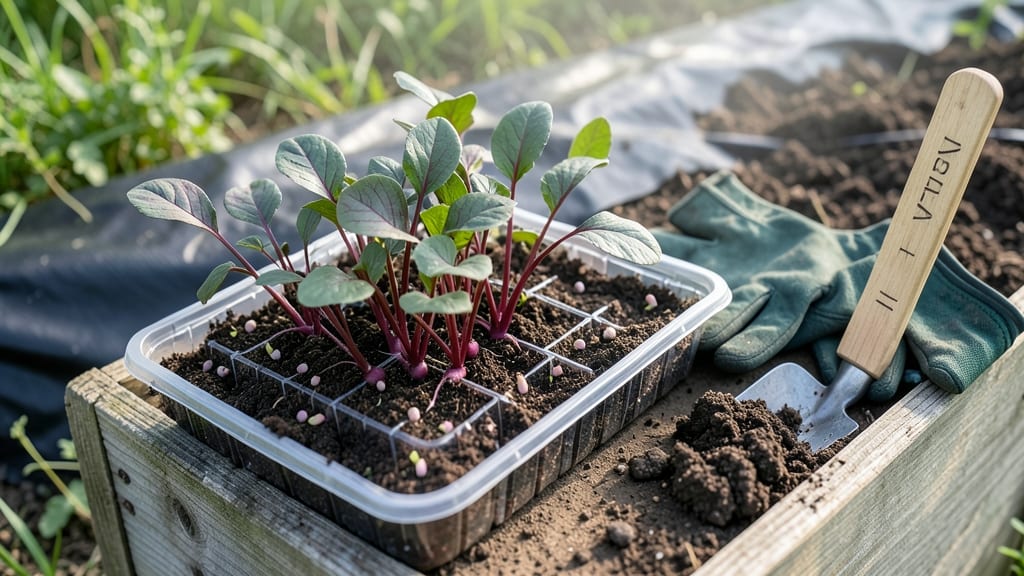
Knowing when to plant beets in Kansas can mean the difference between a bumper crop of tender, sweet 🍠 and a sad, woody disappointment.
Kansas’ unpredictable swings from frost to scorching heat make timing everything—get it wrong, and you’ll either wait forever for harvests or watch your beets bolt before they mature.
Most Kansas gardeners focus on two key windows: early spring (March 15–April 30) for baby beets and fall (August 15–September 30) for storage varieties. But here’s the catch—your exact deadline depends on your USDA zone (5b–7a) and whether you’re growing heat-tolerant varieties or preferring milder spring temps.
I’ll break down the frost-free deadlines by variety, plus how to stretch your harvest with succession planting. No more guessing whether your soil’s warm enough or if you’re racing against summer’s heat—just a clear, Kansas-specific plan to keep your beets thriving.
Ready to dig in? Let’s get those seeds in the ground at the perfect moment so you’re harvesting 🍠 all season long—no more missed windows or bitter surprises.
Kansas beet planting calendar: frost dates and variety-specific deadlines
Kansas’ variable climate means your beet planting window depends on both frost dates and variety heat tolerance.
Most of the state falls in USDA Zones 5b-7a, with last frost dates ranging from early March in Zone 7a to mid-April in Zone 5b. For a foolproof harvest, time your plantings to avoid both late frosts and summer bolting from Kansas’ brutal heat.
Spring is the prime time for beets, but fall plantings can extend your harvest into October. The key is choosing bolt-resistant varieties like Detroit Dark Red for spring and heat-tolerant types like Cylindra for late summer.
Let’s break down the exact windows and how to adjust for your specific Kansas location—whether you’re in Wichita’s Zone 7a or rural Zone 5b.
🌱 Did You Know? Kansas City’s urban heat island can push last frost dates 1-2 weeks later than rural areas. Always check local microclimates—your neighbor’s garden might have a different schedule than yours!
📅 Kansas Beet Planting Timeline by Zone
| Zone | Last Spring Frost | First Fall Frost | Spring Planting Window | Fall Planting Window |
|---|---|---|---|---|
| Zone 5b (e.g., Hays) | April 1 | October 20 | March 15 – April 15 | August 1 – September 10 |
| Zone 6a (e.g., Salina) | March 25 | October 10 | March 1 – April 1 | August 15 – September 15 |
| Zone 7a (e.g., Wichita) | March 1 | October 10 | February 20 – March 15 | August 20 – September 20 |
Note: Adjust for microclimates—urban areas may have 1-2 week later frost dates than rural zones.
For spring plantings, aim to sow seeds 4-6 weeks before your last frost date. In Zone 5b, that means starting by March 15, while Zone 7a gardeners can begin as early as February 20.
Use row covers if planting early to protect tender seedlings from late frosts that can linger into April.
Beets thrive in cool weather, so avoid planting after soil temperatures exceed 75°F. In Kansas, this typically means stopping spring plantings by mid-May in most zones. Instead, shift to heat-tolerant varieties like Chioggia or Golden beets for late summer harvests.
Fall plantings should begin 8-10 weeks before your first frost. For Zone 5b, that’s around August 1, while Zone 7a can extend sowing until September 1. Choose smaller varieties like Babybeat for faster maturation before winter sets in.
Pro tip: Test your soil temperature before planting. Beets germinate best in soil between 50°F and 70°F. Use a soil thermometer—if temps are below 50°F, wait a week or two for faster germination.
In Kansas’ dry climate, watering the soil 24 hours before planting can help raise temperatures slightly.
Don’t forget succession planting! Sow new seeds every 2-3 weeks during your planting window to ensure a continuous harvest. This works especially well for fall crops, where staggered plantings can give you beets from September through November.
🌡️ Heat Alert: Kansas summers can push soil temps above 85°F, causing beets to bolt. If you’re planting in July or August, use shade cloth or plant in partial shade to keep roots cool and sweet.
How to extend your Kansas beet harvest: succession planting strategies
Want fresh beets from spring through fall in Kansas? The secret is succession planting—staggering your sowing schedule to keep a steady supply. Since Kansas summers can turn beets woody and tough, timing is critical.
By spacing out plantings every 2-3 weeks, you’ll enjoy tender roots all season long without gaps.
Start your first batch 4-6 weeks before your last frost date (typically mid-March in most of Kansas). For example, if your last frost is April 1, begin sowing around February 25.
This ensures early harvests just as summer heat arrives. Then, repeat plantings every 2-3 weeks until mid-July to avoid the hottest months.
🔹 Pro Tip: Use shade cloth during peak summer (June-August) to protect young seedlings from intense Kansas sun. A 30% shade cloth keeps soil cooler and prevents bolting.
For a fall harvest, your last planting should be 8-10 weeks before your first frost (usually mid-September). This gives beets time to mature before temperatures drop. In Zone 5b (northern Kansas), aim for September 1-15, while Zone 7a (southern Kansas) can extend to September 20.
🌱 Soil Prep Matters: Before each planting, loosen soil to 6 inches deep and mix in compost to improve drainage. Kansas’ alkaline soil can stunt beet growth, so add sulfur or peat moss if your soil pH is above 7.0. Test your soil in early spring to plan adjustments.
📌 Spacing Rules: Sow seeds ½ inch deep and 1 inch apart in rows 12 inches apart. Thin seedlings to 3-4 inches apart when they’re 2 inches tall to prevent competition. Overcrowding leads to small, misshapen beets—a common mistake in Kansas gardens!
🌿 Harvest Timeline: With succession planting, you’ll harvest beets in three waves: early spring (May), late summer (August), and fall (October-November). Pull roots when they’re 1-2 inches wide for the sweetest flavor. Leave a few plants to mature fully for storage—beets keep well in cool, dark conditions for months.