
Plants
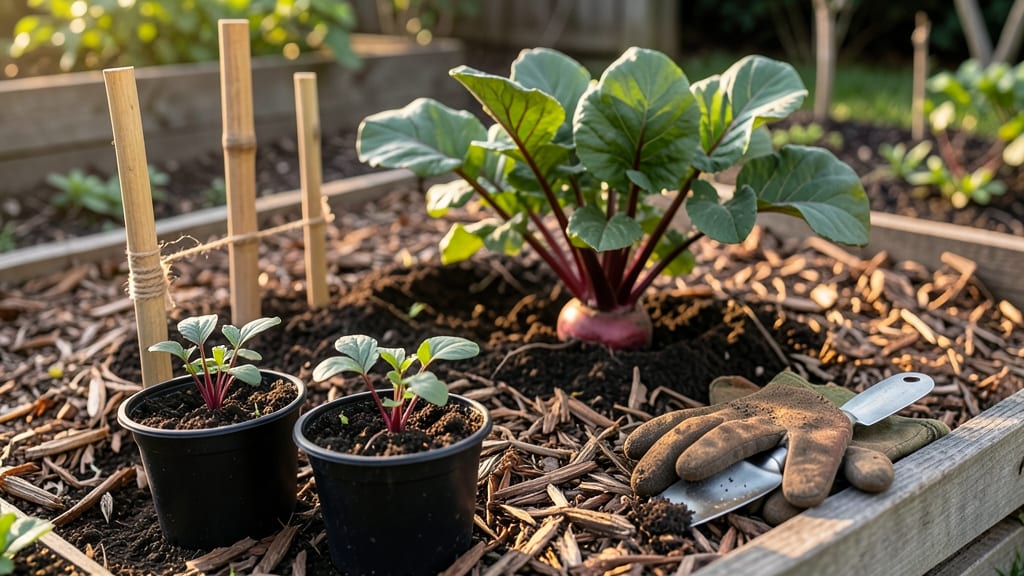
Timing your beet planting in Maryland could mean the difference between a bountiful harvest of sweet, tender roots and a sad pile of frost-bitten seeds. With the right frost-free window, you can grow 🍠 beets twice a year—once in spring and again in fall—without worrying about bolting or woody textures.
Maryland’s 7a-7b climate gives you a narrow but perfect opportunity: plant between March 15 and April 30 for spring harvests, then again from September 1 to October 15 for fall.
Miss these windows, and you risk either stunted growth or bitter-tasting beets. Let’s break down the exact timing and tips to ensure your garden thrives.
Why does this matter? Because beets are finicky—they hate heat and cold extremes. Plant too early, and frost will kill your seedlings; too late, and summer’s intensity turns them tough. But with the right approach, you’ll enjoy crisp harvests from June to July and again in October and November.
I’ll show you how to align your planting with Maryland’s frost dates, soil temps, and seasonal shifts—so you can grow beets that are sweet, plentiful, and stress-free. Ready to dig in?
Maryland’s frost-free planting windows for beets by hardiness Zone
Maryland’s climate zones 5-8 create distinct planting windows for beets, where timing directly impacts your harvest’s sweetness and texture. The key is planting when soil temperatures reach 45°F—too early, and frost zaps tender seedlings; too late, and summer heat triggers bolting.
Let’s break down the perfect frost-free windows by zone to maximize your beet yield.
In Zone 5 (Western Maryland), the last average frost date is April 15, while Zone 8 (Eastern Shore) can start planting as early as March 1. This 3-week difference means gardeners in Baltimore County have a longer spring window than those in Frederick.
For fall planting, aim to sow seeds 8-10 weeks before your first frost—typically September 1-October 15 across the state.
🌱 Pro Tip: Use a soil thermometer to confirm temperatures before planting—beets thrive in 60-70°F soil. If your soil is too cold, wait 1-2 weeks for better germination rates.
For spring planting, start seeds indoors 4-6 weeks before your last frost date to get a head start. Transplant seedlings outdoors when they’re 2-3 inches tall and night temperatures stay above 50°F.
In Zone 7 and 8, you can even direct-sow seeds as early as February under protective covers.
🌿 Common Mistake: Many gardeners in Maryland wait until May to plant beets, missing the ideal 45-60 day window before summer heat sets in. This leads to bolting (flowering) and tough, woody roots. Instead, prioritize early spring and late summer plantings for the best results.
In fall, focus on late August-September plantings to ensure beets mature before frost. Use black plastic mulch to warm soil and straw mulch to retain moisture. For Zone 5 gardeners, consider overwintering beets by leaving them in the ground with heavy mulch—they’ll sweeten after frost!
💡 Advanced Tip: Maryland’s humid summers can cause leaf spot disease in beets. Space plants 3-4 inches apart and water at the base (not overhead) to reduce fungal risks. Rotate crops yearly to prevent soil-borne diseases from building up.
To track your local frost dates, check the Maryland Department of Agriculture’s frost calendar or use a frost date map like the one from the National Weather Service.
Adjust your planting schedule by 1-2 weeks if you’re in a microclimate (e.g., near water or urban heat islands), as these areas may frost later.
🌡️ Soil Temperature Check: Beets germinate best in 60-70°F soil. If your soil is cooler, try black plastic mulch or a cold frame to speed up warming. For Zone 5 gardeners, wait until mid-April to avoid frost damage to young seedlings.
How to extend your beet harvest season in Maryland’s climate
Maryland’s short growing season doesn’t have to limit your beet harvest. With the right strategies, you can enjoy crisp, sweet beets from early spring through late fall. The key lies in succession planting, seasonal adjustments, and protecting tender seedlings from extreme temperatures.
Let’s explore how to stretch your beet-growing window to its fullest potential.
Start by planting early-maturing varieties like ‘Detroit Dark Red’ or ‘Babybeat’ in late February or early March under protective row covers. This buys you an extra 2-3 weeks of growth before the last frost.
For fall harvests, sow seeds again in late July or early August—just 8-10 weeks before your first frost—to ensure mature roots before winter sets in.
🌱 Pro Tip: Use floating row covers or low tunnels to shield seedlings from unexpected late frosts in spring or early fall. These simple tools can add 10-14°F of warmth, making all the difference for young beets.
Summer’s intense heat can turn beets woody and bitter, but shade cloth (30-50% coverage) keeps soil temperatures cool and prevents bolting. Install it when daytime highs exceed 85°F and remove it in the afternoon to allow sunlight for photosynthesis.
Pair this with drip irrigation to maintain even moisture without wetting the foliage.
For a winter harvest, focus on cold-hardy varieties like ‘Ruby Queen’ or ‘Golden’. Plant them in late summer (August) and apply a 4-inch layer of straw mulch once temperatures drop below 40°F.
This insulates the soil, protecting roots from freezing while allowing greens to regrow in spring. Harvest before the ground fully thaws in late winter for the sweetest flavor.
🌿 Warning: Avoid planting beets in mid-to-late summer (June–July) unless you’re using shade cloth. The combination of heat stress and short daylight triggers premature bolting, ruining your crop. Instead, opt for succession sowings in May and September for consistent yields.
By mastering these techniques, you’ll transform Maryland’s unpredictable climate into a year-round beet-growing powerhouse. Whether you’re aiming for early spring salads or late-fall storage, these strategies ensure your garden delivers crisp, homegrown beets whenever you crave them.