
Plants
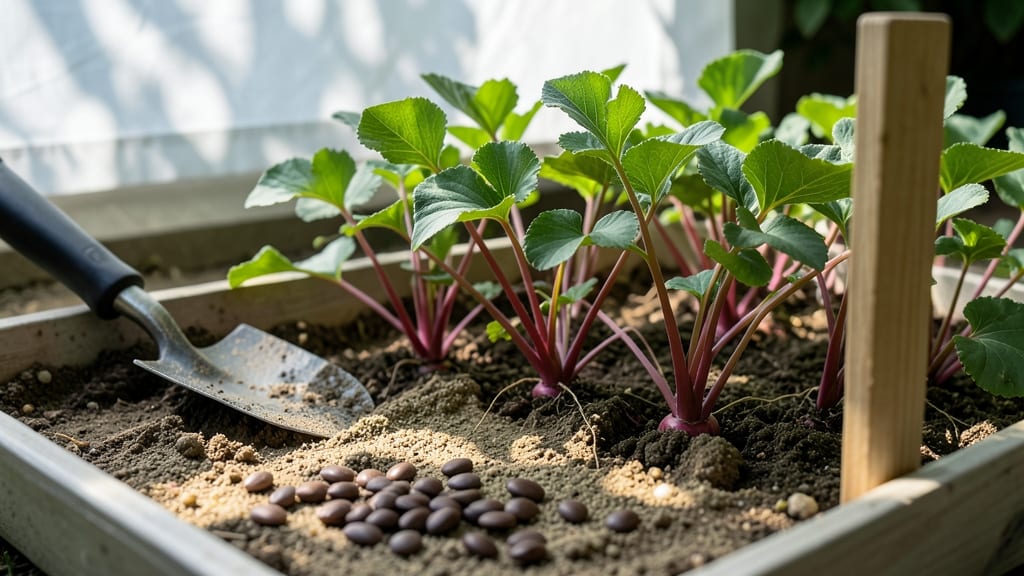
Timing your beet planting just right in Zone 5b is the secret to sweet, crisp harvests—not bitter, tough roots. Those 🍠 beets you crave thrive when sown at precise moments before last frost, but getting it wrong means wasted effort.
I’ve grown beets here for years, and I’ll show you exactly when to plant for foolproof success, whether you’re aiming for spring greens or fall storage.
Most gardeners in Zone 5b rush to plant as soon as soil warms, but beets actually prefer cooler temperatures. The key is sowing 4-6 weeks before your last frost date—around early April in most of 5b—to give roots time to mature without bolting.
Miss this window, and you’ll end up with tough, woody beets that taste like disappointment.
Here’s what you’ll learn: the exact planting schedule for both spring and fall crops, how to adjust for early or late harvests, and the simple soil prep tricks that make all the difference. No more guessing—just reliable, easy-to-follow steps to grow beets that’ll have your neighbors asking for seeds.
Ready to grow beets that win taste tests? Let’s dive into the perfect planting timeline that’ll turn your garden into a beet bonanza—no more trial and error, just crisp, flavorful roots every time.
Best planting windows for beets in Zone 5b: weeks before/after last frost
Timing is everything when growing beets in Zone 5b. These cool-weather crops bolt and turn bitter when exposed to summer heat, so planting at the right time ensures sweet, tender roots.
In Zone 5b, where the last frost typically arrives around April 15, your best windows are 4-6 weeks before last frost for spring plantings and 8-10 weeks before first frost (mid-September) for fall harvests.
For most gardeners in Zone 5b, that means sowing beet seeds between mid-March and early April for spring crops. Fall plantings should begin around late July to give beets time to mature before winter sets in.
Soil temperatures below 50°F are ideal for germination, so wait until the ground warms slightly after winter's chill.
🌱 Beet Planting Timeline for Zone 5b
| Planting Window | Weeks Before/After Frost | Soil Temp | Expected Harvest |
|---|---|---|---|
| Early Spring | 4-6 weeks before last frost | 45-55°F | June-July |
| Late Summer | 8-10 weeks before first frost | 50-60°F | October-November |
| Succession Planting | Every 2-3 weeks until June | 50-65°F | Staggered harvests |
💡 Pro Tip: Use a soil thermometer to confirm temperatures—beets won't germinate well in cold, wet soil.
In Zone 5b, March is the earliest safe month to plant beets, assuming your soil isn't frozen or waterlogged. If you're eager to start earlier, use a cold frame or row cover to protect seedlings from late frosts.
For fall plantings, aim to finish sowing by early August to avoid the heat of late summer, which can stress beet plants.
One common mistake is planting beets too early in February, when soil temperatures are still too cold. Beets need consistent warmth to germinate properly—if your soil is below 45°F, wait until at least mid-March.
You can test soil readiness by pressing your finger into the ground: if it feels cool but workable, it's time to plant.
For gardeners in Zone 5b microclimates, like sheltered valleys or urban heat islands, adjust your timing by 1-2 weeks. Warmer microclimates may allow slightly earlier spring plantings or later fall sowings.
Always monitor local weather forecasts and use frost-free date calculators from your local cooperative extension service for precise guidance.
If you're new to beet growing, start with determinate varieties like 'Detroit Dark Red' or 'Golden'—they're more forgiving of slight timing mistakes. These varieties also handle succession planting well, letting you stretch your harvest over several weeks by sowing new seeds every 2-3 weeks until early summer.
Remember that beets are biennial plants, meaning they store energy in their roots for a second year. In Zone 5b, most gardeners treat them as annuals, harvesting before winter.
However, if you leave some roots in the ground over winter, they'll produce flowers and seeds the following spring—a beautiful bonus for pollinators!
To maximize your harvest, pair beet plantings with companion plants like lettuce or radishes. These fast-growing crops use up space early in the season, giving your beets room to expand their roots without competition. Just avoid planting beets near pole beans or strawberries, as they can stunt beet growth.
Best planting windows for beets in Zone 5b: weeks before/after last frost
In Zone 5b, timing is everything when growing beets—plant too early and they’ll bolt in the heat, too late and they’ll struggle with cold. The sweet spot? Start seeds 3-4 weeks before your last frost date (typically mid-March to early April in Zone 5b) for spring harvests.
For fall plantings, aim for 8-10 weeks before the first frost (late July to early August).
Beets are cool-season crops, so they thrive when soil temperatures hover between 50°F and 75°F. In Zone 5b, this usually means planting when daytime highs are around 60°F-70°F. Use a soil thermometer to check—if it’s too warm, your beets may turn woody or bolt.
Here’s a quick reference for your planting schedule based on Zone 5b’s typical April 15 last frost date:
| Planting Window | Weeks Before Last Frost | Soil Temp (°F) | Harvest Window |
|---|---|---|---|
| Early Spring | 3-4 weeks | 50°F-60°F | June-July |
| Late Summer | 8-10 weeks | 60°F-70°F | October-November |
| Fall Succession | 6-8 weeks | 55°F-65°F | September-October |
For spring plantings, start seeds indoors 4-6 weeks before your last frost if you’re using transplants, but direct sowing is easier and often more successful. In Zone 5b, this means sowing seeds outdoors in early to mid-April.
If you’re unsure about frost dates, use a frost calculator for your specific location—Zone 5b can vary by 1-2 weeks depending on elevation or microclimates.
Don’t overlook fall plantings—they often yield sweeter beets! In Zone 5b, late July to early August is ideal for a second crop. Choose bolting-resistant varieties like ‘Detroit Dark Red’ or ‘Golden’ for better heat tolerance. Mulch heavily after planting to keep soil cool and retain moisture during summer’s peak.
Pro tip: If your summer gets too hot (above 80°F), provide light shade cloth to prevent bolting. And always thin seedlings to 3-4 inches apart—crowded beets grow misshapen and tough.