Plants
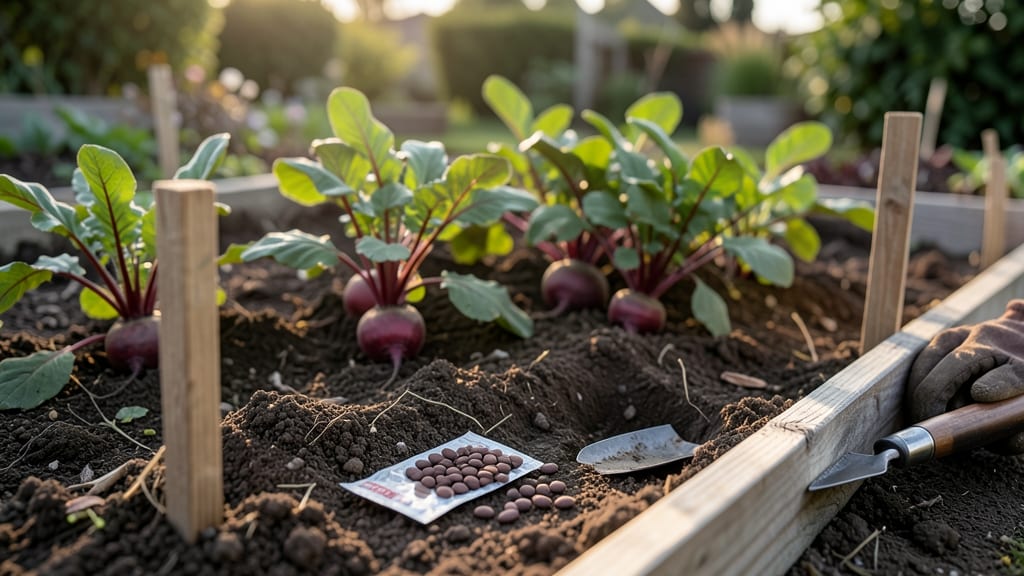
Optimal planting windows for beets in SC zones 7b-8a
South Carolina's Zones 7b-8a offer two prime windows for planting beets: early spring and late summer. Timing matters because beets thrive in cool weather but bolt in summer heat. The key is planting when soil temperatures stay below 75°F—ideal for germination and growth.
In my experience, the best months for planting beets in SC are March-April for spring harvests and August-September for fall harvests. These windows avoid the extreme heat of July and the frost risk of winter, ensuring tender roots instead of tough, fibrous ones.
Here's how I plan my beet schedule: First frost typically hits around November 15, so I aim to finish my fall harvest by early November.
For spring, I start seeds 4-6 weeks before the last expected frost (around March 15), which gives them time to mature before summer heat sets in.
🌱 Beet Planting Schedule for SC Zones 7b-8a
| Season | Planting Window | Soil Temp | Harvest Window | Days to Maturity |
|---|---|---|---|---|
| Spring | March 1 - April 15 | 50-65°F | May - June | 60-70 days |
| Fall | August 15 - September 30 | 60-70°F | October - November | 50-60 days |
💡 Pro Tip: Use a soil thermometer to confirm temps before planting—beets need consistent cool conditions to thrive.
For coastal SC (Zone 8a), you can push planting slightly later—April 15-May 1 for spring and September 15-October 15 for fall—thanks to milder winters. But in the Piedmont region (Zone 7b), I recommend sticking to the earlier windows to avoid late spring heat that stunts growth.
One mistake I see gardeners make is planting too early in February. While possible, cold soil slows germination, and frost-sensitive seedlings may struggle. Instead, I wait until soil reaches 50°F—usually late February to early March—before sowing seeds outdoors or starting transplants.
Another trick I use is succession planting every 2 weeks during the optimal windows. This ensures a steady harvest instead of one big batch. For example, I might plant March 1, March 15, and April 1 for a continuous supply through June.
Heat tolerance varies by variety, but most beets bolt (go to seed) when daytime temps hit 80°F+. That's why I avoid planting after May 15 in most of SC. Instead, I focus on fall plantings when days grow shorter and cooler—perfect for beets!
If you're new to growing beets, start with Detroit Dark Red or Chioggia varieties—they're heat-tolerant and reliable in SC's climate. I'll cover my top picks in the next section, but for now, focus on these two planting windows to maximize your harvest.
Remember, beets are cool-season crops, so they'll bolt and go to seed if exposed to prolonged heat. That's why timing is everything—especially in SC's humid, hot summers. With the right schedule, you'll enjoy sweet, tender beets from spring through fall!
How to extend your beet growing season in South Carolina
South Carolina’s hot summers and early frosts can limit your beet harvest, but with the right strategies, you can enjoy fresh beets almost year-round. The key is succession planting, cold-hardy varieties, and protective measures like row covers.
By extending your growing season, you’ll avoid the woody texture that develops when beets mature too slowly.
Start by choosing fast-maturing varieties like Detroit Dark Red, which can be harvested in just 50-60 days. This gives you flexibility to plant multiple batches throughout the year.
For example, a late summer planting in August can yield harvests before the first frost in November, while an early spring planting in February avoids the heat of summer.
Use floating row covers to protect seedlings from late spring frosts or early fall chills. These lightweight fabrics allow sunlight and water to pass through while shielding plants from temperatures below 25°F.
For even more protection, consider low tunnels made from PVC pipes and row covers, which can raise soil temperatures by 5-10°F and extend the growing season by 3-4 weeks.
📌 Numbered Highlights: Extending Your Beet Season
- 1
- 2
- 3
- 4
- 5
Don’t overlook soil preparation as a way to extend your season. Amend your soil with compost or aged manure before planting to improve drainage and fertility. Beets thrive in loose, well-drained soil with a pH of 6.0-7.0.
If your soil is heavy clay, consider planting in raised beds, which warm up faster in spring and drain better in fall.
For winter harvests, focus on late summer plantings (August-September) of cold-tolerant varieties. Mulch heavily with straw or leaves to insulate roots from freezing temperatures.
In Zone 7b-8a, you can often harvest beets until mid-November with proper protection, and some varieties like Golden beets can even survive light frosts.
Finally, keep an eye on pest pressures during extended seasons. Leaf miners and beetles are common in South Carolina. Use row covers early in the season to deter pests, and rotate planting locations yearly to prevent soil-borne diseases.
With these strategies, you’ll enjoy homegrown beets from early spring to late fall—or even winter with the right precautions! 🌱