
Companion Plants
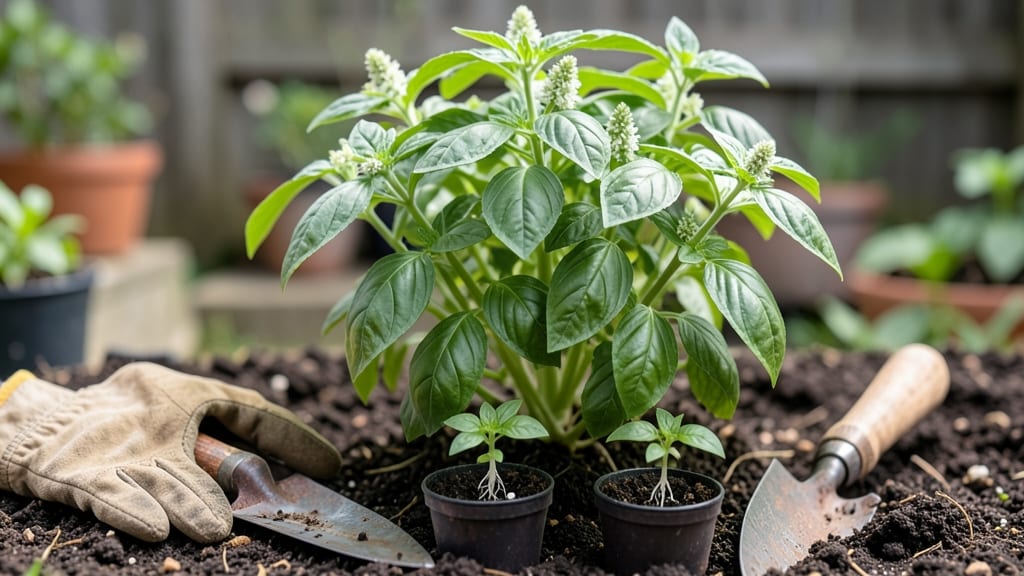
Timing your basil planting in PA isn’t just about avoiding frost—it’s about outsmarting Pennsylvania’s quick temperature swings before your 🌿 turns bitter and bolts.
One week too early, and your plants will stretch like overworked office workers; one week too late, and you miss the sweet spot for that perfect pesto harvest.
Most gardeners in zones 5b-7a wait until after April 15 to plant basil outdoors, but that’s just the starting line. The real secret lies in soil temperature—basil needs 60°F+ to thrive, and Pennsylvania’s soil warms at different speeds depending on whether you’re in Pittsburgh or Philadelphia.
In this guide, I’ll break down the exact windows for starting seeds indoors vs. transplanting outdoors, plus how to stretch your harvest season with container gardening. Whether you’re a first-timer or a veteran gardener, these tips will keep your basil lush, flavorful, and ready for the kitchen all summer long.
Ready to grow basil that tastes like summer, not stress? Let’s dive into the schedule that works for Pennsylvania’s climate—no more guesswork, just bold, leafy success.
Pennsylvania basil planting zones: when to start indoors vs. outdoors
Pennsylvania’s diverse climate—spanning USDA zones 5b to 7a—means your basil planting timeline depends heavily on your location. In the warmer southern regions (zones 6-7), like Philadelphia or Pittsburgh, you can start seeds indoors as early as mid-March.
Meanwhile, gardeners in cooler northern areas (zones 5b), such as Erie or Scranton, should wait until late March to early April for indoor starts to avoid frost damage.
Outdoor planting only begins after your average last frost date. In southeastern PA, this is typically April 15, while northeastern PA may not be frost-free until May 1. Transplanting too early risks cold soil temperatures below 50°F, which stunts growth and invites disease.
Here’s the critical rule: Basil thrives in soil temperatures of 60°F or warmer. Use a soil thermometer to confirm—if it’s cooler, delay planting. In containers, warmth transfers faster, so you can plant 2-3 weeks earlier than in-ground gardens.
| Zone | Indoor Start | Outdoor Planting | Soil Temp Threshold |
|---|---|---|---|
| 5b (Erie, Scranton) | Late March | May 1 - May 15 | 60°F+ |
| 6a (Harrisburg, State College) | Mid-March | April 20 - May 1 | 60°F+ |
| 7a (Philadelphia, Pittsburgh) | Mid-March | April 15 - April 30 | 55°F+ |
*Use black plastic mulch to warm soil 2-3°F faster in cooler zones.
For indoor starts, sow seeds in biodegradable pots under grow lights (12-14 hours/day). Transplant seedlings outdoors only after they’ve developed 4-6 true leaves and nighttime temperatures stay above 55°F. Harden off seedlings for 7-10 days by gradually exposing them to outdoor conditions.
If you miss the spring window, don’t despair—succession planting is your best friend. In Pennsylvania’s short growing season, sow a second batch of seeds indoors in early July for a fall harvest.
These late plants will bolt faster due to shorter daylight, but you’ll still get 3-4 weeks of fresh basil before frost.
Pro tip: Use row covers or cold frames to extend your season by 2-3 weeks in fall. These protect tender basil from light frosts (28-32°F) and keep soil warm longer. Just remove covers during the day to prevent overheating.
Container gardeners have an advantage—move pots indoors in fall to south-facing windows or under LED grow lights. With proper care, your basil can produce year-round, though growth slows in winter. Reduce watering to every 5-7 days and fertilize lightly every 6-8 weeks.
Remember: Basil bolts when stressed. Whether from cold soil, overcrowding, or nutrient deficiencies, timing is everything. By following these zone-specific guidelines, you’ll maximize your harvest and minimize bitter surprises.
🌱
5 Critical mistakes that cause basil to bolt in Pennsylvania gardens
Planting basil too early is the #1 mistake in Pennsylvania gardens—cold soil and late frosts trigger bolting before you even harvest. Even in USDA Zone 6, waiting until soil temperatures hit 50°F+ (usually mid-May) prevents premature flowering.
I’ve seen basil bolt in April when planted too soon, turning bitter and useless.
Another common error? Overcrowding seedlings or skipping thinning. Basil needs 12-18 inches of space to thrive—packing them too closely stresses plants, forcing them to bolt faster. I once had a container with 10 seedlings in a 12-inch pot; by July, they were all flowering.
🌱Visual Tip: Use a soil thermometer to check temperatures before planting. If it’s below 55°F, wait at least 1-2 weeks—your patience will pay off with leafy, non-bitter basil.
Poor drainage is another silent basil killer. Basil hates soggy roots, which cause stress and bolting. Amend heavy PA clay soil with compost or use raised beds to improve airflow.
I once lost a batch of basil in June because I planted it in a low spot where water pooled after rain.
Neglecting sunlight needs also forces bolting. Basil requires 6+ hours of direct sun daily—any less, and it stretches toward light, becoming leggy and weak. In shady PA backyards, I recommend using reflective mulch or a sunlight garden to trick plants into thinking they’re getting enough light.
Finally, over-fertilizing with nitrogen sounds helpful, but it can backfire. Too much N-rich fertilizer (like manure) causes rapid, soft growth that bolts quickly. Instead, use a balanced 10-10-10 fertilizer sparingly—once every 4-6 weeks—to encourage steady, leafy growth without stress.
💡Pro Tip: If your basil starts bolting, pinch off flowers immediately and move pots to partial shade (4-6 hours of sun). This can reset growth and buy you 2-4 more weeks of harvestable leaves—even in late summer!