Plants
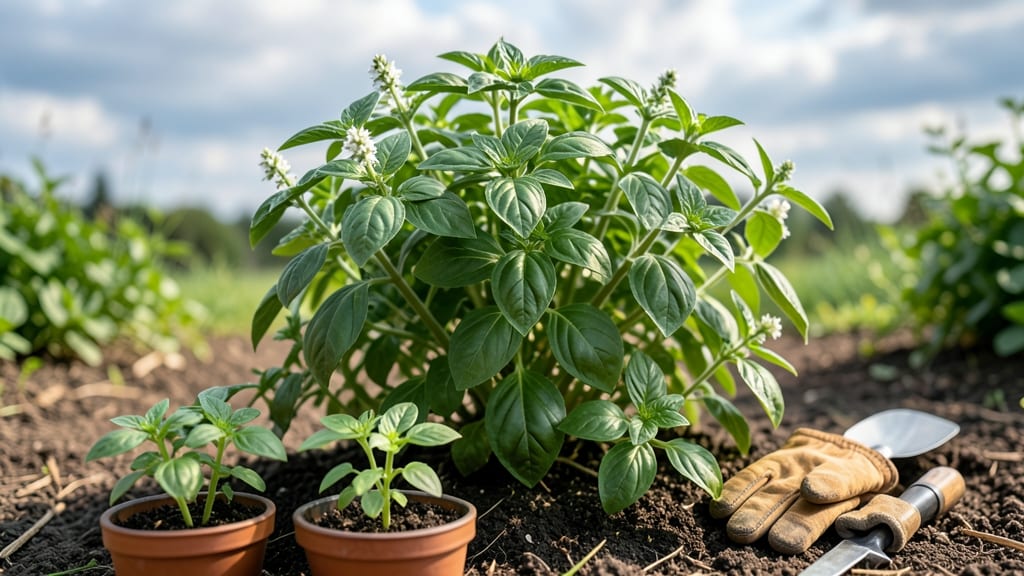
Planting basil in Arizona at the wrong time means watching your fresh 🌿 turn bitter and bolt before you can even harvest a single leaf. The key to avoiding this common mistake?
Timing your planting between late February and early March, when soil temperatures hit that sweet spot of 50°F—just as the last frost risk fades.
Why does this matter? Arizona’s brutal summer heat forces basil to bolt (flower) early, ruining its flavor and growth. But by starting your plants in cooler months, you give them time to establish strong roots before the real heat arrives.
This simple shift can mean the difference between a thriving herb garden and a sad, flowering disappointment.
I’ve grown basil in Arizona’s 9b zone for years, and the best results come from planting before April’s heat peaks. Whether you’re growing in containers or in-ground, this timing ensures your basil stays lush and flavorful through the growing season.
Let me show you exactly how to make it work in your backyard.
Ready to avoid the bolting nightmare? The secret isn’t just when you plant—it’s how you adapt to Arizona’s microclimates. From high desert shade strategies to urban heat hacks, I’ll walk you through everything you need to keep your basil thriving all year long.
Best planting weeks for basil in Arizona (by climate zone)
Arizona’s three distinct climate zones—Low Desert, High Desert, and Transition Zones—each demand different planting strategies for basil. In the Low Desert (Phoenix), where summer temps hit 110°F+, basil bolts rapidly if planted too early.
Meanwhile, the High Desert (Flagstaff) offers cooler nights, extending your growing window. Let’s break down the exact weeks to plant in each zone to avoid bolting and maximize harvests.
For Low Desert regions like Phoenix and Tucson, aim to plant basil seeds indoors by late January and transplant outdoors by mid-March. This timing ensures soil temps reach 50°F+ and avoids the June-August heatwave that triggers bolting.
In Transition Zones (e.g., Sedona), you can push planting to early April thanks to slightly cooler afternoons.
The High Desert (Flagstaff) is the most forgiving, allowing outdoor sowing as early as late February. Cooler nights and shorter days delay bolting, giving you 2-3 extra weeks of harvest time compared to Low Desert areas. Always check your local frost dates—even Arizona isn’t frost-free year-round!
🌱
| Zone | Best Planting Window | Soil Temp Trigger | Heat Risk |
|---|---|---|---|
| Low Desert (Phoenix) | Indoors: Late Jan Outdoors: Mid-Mar |
50°F+ | High (June-Aug) |
| Transition (Tucson/Sedona) | Indoors: Mid-Feb Outdoors: Early Apr |
55°F+ | Moderate (May-Jul) |
| High Desert (Flagstaff) | Outdoors: Late Feb | 45°F+ | Low (Jun-Jul) |
If you’re growing Genovese or Sweet basil, prioritize morning sun exposure in summer. These varieties bolt faster in heat, so partial shade cloth (30-50%) can extend their life by 3-4 weeks.
For Spicy Globe or Thai basil, which tolerate slightly more heat, you can delay shade until late May.
Pro tip: Use a soil thermometer to confirm temps before transplanting. Basil roots struggle in cold soil below 50°F, leading to stunted growth. In Low Desert areas, mulch with straw or wood chips to keep soil temps stable—this prevents the temperature swings that stress plants and trigger bolting.
For container growers, black pots absorb heat and can raise soil temps by 10°F+. Opt for terracotta or fabric pots instead, and place containers in dappled shade during peak afternoon heat. This simple swap can add 2-3 weeks to your basil’s productive life.
🌿
Remember: Arizona’s monsoon season (July-Aug) brings sudden downpours. If you plant too late, overwatering from heavy rains can drown basil roots. Always ensure containers have drainage holes and in-ground plants are in well-draining soil to prevent waterlogged roots.
Finally, succession planting is key. Start a second batch of seeds indoors in early July and transplant in September to harvest basil through November. This two-stage approach guarantees fresh leaves year-round, even in Arizona’s brutal summers.
☀️
How to extend basil’s growing season in Arizona heat
Arizona’s 110°F+ summers can send basil into a bolting frenzy within weeks—but with the right strategies, you can stretch your harvest from spring to fall. The key is managing heat stress and moisture consistency without smothering your plants.
I’ve grown basil in Phoenix for years, and these methods keep it thriving when others give up.
Start by shading your basil during peak afternoon sun (12–4 PM). Use 50% shade cloth or plant near taller crops like tomatoes or peppers to filter harsh rays. This simple trick can delay bolting by 4–6 weeks while keeping leaves tender and flavorful.
Watering is where most gardeners fail. Basil needs consistent moisture, but soggy soil causes root rot. Water deeply in the morning (before 10 AM) to let roots absorb hydration without evening evaporation.
Aim for 1–2 inches of water weekly, adjusting for rain. A drip irrigation system keeps soil evenly moist without overhead spray that promotes disease.
Mulch with 2–3 inches of straw or wood chips to insulate roots and retain moisture. This is especially critical in Low Desert zones where soil can bake to 120°F. Mulch also blocks weeds that compete for water, giving your basil a fighting chance during Arizona’s brutal summers.
Companion planting works wonders. Pair basil with bush beans, lettuce, or marigolds—these plants improve airflow and deter pests like aphids, which stress basil. Avoid planting near fennel or rue, which stunt growth. In containers, mix basil with thyme or oregano for a self-sustaining microclimate that stays cooler.
Finally, prune aggressively to encourage bushier growth. Pinch off flower buds and top leaves regularly, even if it means sacrificing a few leaves. This redirects energy to leaf production instead of seed development.
Harvest leaves in the morning for peak flavor, and always use clean, sharp scissors to avoid tearing stems.
With these tactics, I’ve kept basil producing flavorful leaves until November—far longer than the typical 6–8 week summer lifespan. The secret? Treating heat as an obstacle to outsmart, not overcome. 🌿