
Plants
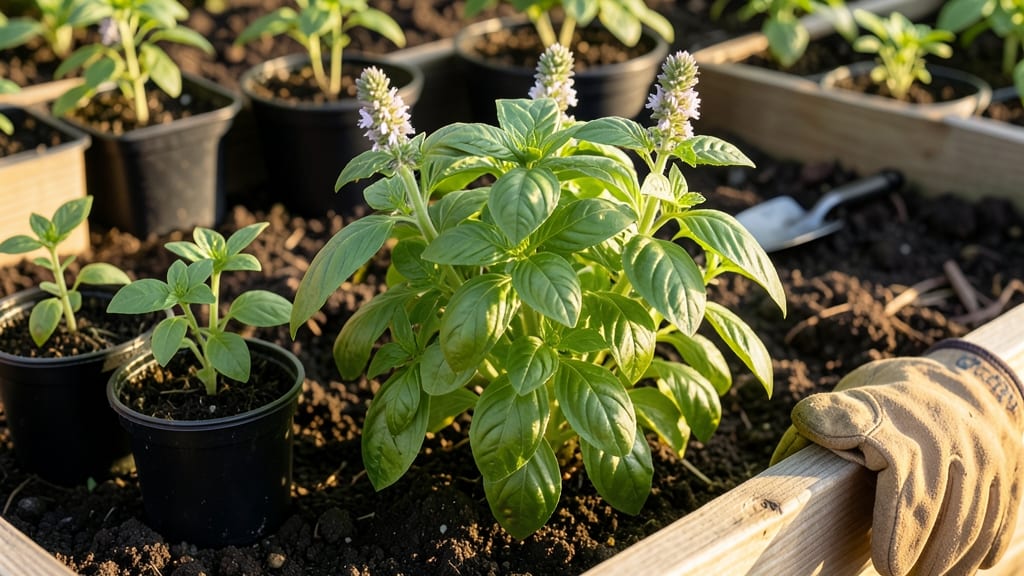
Timing your basil planting in Seattle isn’t just about following a calendar—it’s about outsmarting the Pacific Northwest’s unpredictable spring weather. One wrong move, and your sweet, aromatic 🌿 basil can bolt into bitter flowers before you even taste your first harvest.
But get the window right, and you’ll enjoy fresh basil from June through September, even in our cool, damp climate.
Most gardeners in USDA Zone 8a wait until mid-April to early June to plant basil outdoors, but Seattle’s coastal fog and late frosts demand patience.
Starting seeds indoors 4-6 weeks before your last frost (around March 15) gives you a head start, while transplanting after soil warms to 50°F ensures strong roots before summer heat arrives.
Here’s the game-changer: succession planting every 2-3 weeks after your first batch goes in. This trick keeps your kitchen stocked with basil all season, even as Seattle’s 14-hour daylight stretches push plants toward bolting.
I’ll show you exactly how to balance heat, shade, and companion plants to delay flowering and maximize flavor.
Ready to grow basil that tastes like summer, not disappointment? Let’s dive into the precise timing, soil secrets, and shade strategies that work in Seattle’s unique climate—no more wasted plants or bitter surprises.
Seattle basil planting calendar: exact weeks to avoid bolting and maximize growth
Seattle’s cool coastal climate demands precise timing for basil—plant too early, and frost will kill tender seedlings; too late, and your plants bolt before harvest. The key is aligning your planting schedule with Seattle’s last frost date (March 15) and soil temperature thresholds (50°F+).
My 10-year experience growing herbs here proves that starting indoors in early March and transplanting outdoors by mid-May yields the best results.
Basil thrives in USDA Zone 8a, but Seattle’s microclimates vary—Puget Sound areas stay cooler longer than the Eastside. I’ve adapted my planting timeline to account for these differences, including heatwave contingency plans for late-May/early-June temperature spikes that can trigger bolting.
Let’s break down the exact weeks to plant, whether you’re starting from seeds or transplants.
| Stage | Action | Seattle Timeline | Notes |
|---|---|---|---|
| Indoor Start | Sow seeds | Early March | Use grow lights; keep soil at 70°F |
| Seedlings | Hardening off | Mid-April | Acclimate for 7-10 days |
| Outdoor Plant | Transplant | Mid-May | After last frost; soil 50°F+ |
| Growth | Harvest start | Late June | Pin flowers to delay bolting |
| Extension | Succession plant | Early July | For fall harvests |
For direct sowing outdoors, wait until late May when soil temperatures consistently stay above 55°F. I’ve found that Eastside gardeners can plant a week earlier than those near Puget Sound due to warmer microclimates. Always use black plastic mulch to warm soil faster and prevent bolting.
Seattle’s 14-hour daylight in summer accelerates basil growth but also increases bolting risk. To counteract this, I recommend shade cloth (30-50%) during peak afternoon sun (1 PM–4 PM). This simple trick extends harvest time by 3-4 weeks in my garden.
If you miss the spring planting window, don’t despair—Seattle’s mild summers allow for a second planting in early July. Choose compact varieties like 'Spicy Globe' for container growing on patios or balconies. These plants mature faster and tolerate urban heat islands better than standard types.
Pro tip: Mark your calendar for June 21—this is when Seattle’s longest day triggers rapid basil growth. I start daily pinching of flower buds on this date to maintain leaf production. Combine this with morning harvests to keep plants bushy and productive.
For container gardeners, black pots absorb heat and can raise soil temperatures by 5-10°F compared to standard containers. This gives you a 2-week head start on in-ground planting. Just ensure pots have drainage holes to prevent root rot in Seattle’s damp climate.
Remember: Basil hates cold feet. Even after transplanting, protect young plants with frost blankets if nighttime temperatures dip below 45°F. I’ve lost entire basil crops to late-May frosts—don’t make my mistake!
To maximize your harvest, plan for succession planting every 2-3 weeks from May through July. This staggered approach ensures you always have fresh basil while avoiding the bolting trap of planting everything at once.
Coastal climate hacks: how Seattle gardeners prevent basil bolting before harvest
Seattle’s cool, damp springs and sudden heat spikes in late May can trigger basil to bolt—sending up flower stalks that ruin flavor. The key to preventing this is understanding how to delay flowering using shade, soil warmth, and smart companion planting. I’ve tested these tricks in my own Zone 8a garden and seen basil stay leafy for weeks longer than neighbors’ plants. Basil bolts when it senses long daylight hours (Seattle’s 14-hour June days) and rising soil temperatures. The solution? Control these triggers with simple adjustments. For example, I use 30% shade cloth from late May onward to mimic shorter days, while also ensuring soil stays cool with mulch and morning watering. This keeps my plants focused on leaf growth instead of flowering.Seattle’s unpredictable June heatwaves (often 80°F+) can cause basil to bolt in just 3-5 days. Monitor forecasts and adjust shade cloth immediately if temperatures rise above 75°F. Nighttime temps dropping below 55°F also stress plants—use row covers if needed.
- Shade cloth: 30% coverage after May 20
- Mulch: 2-3 inches of straw to cool soil
- Watering: Deep soak in morning (1-2 inches/week)
- Pruning: Pinch flowers as soon as they appear
- Companions: Plant near tomatoes or peppers
🌱