
Plants
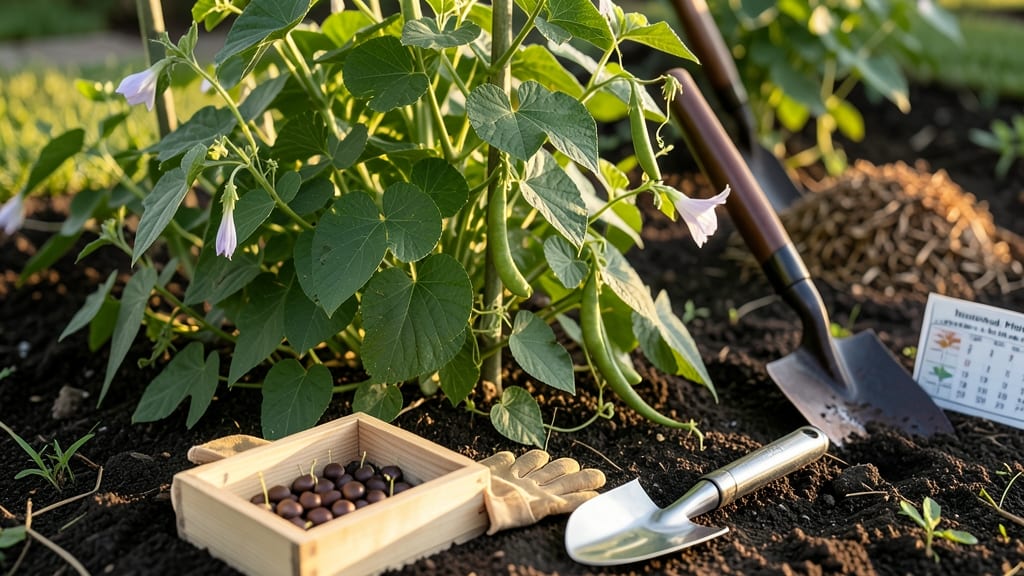
When to plant beans in Indiana isn’t about guessing dates—it’s about catching the perfect soil temperature window. Plant too early, and chilly soil will stall germination; too late, and you might miss the sweet spot for a fast harvest before summer heat sets in.
Most Indiana gardeners wait until mid-April to mid-May, but the real secret lies in soil warmth. Beans need temperatures above 60°F to sprout reliably, which often aligns with your last frost date—but not always. That’s why testing your garden’s readiness (not just checking the calendar) makes all the difference.
Whether you’re growing bush beans for quick harvests or pole beans for a steady supply, the right timing ensures faster germination and healthier plants. I’ll walk you through the exact soil temp triggers, regional tweaks for USDA Zones 5b-6b, and how to stretch your harvest with succession planting.
Ready to turn your Indiana garden into a bean powerhouse? Let’s dive into the science—and mistakes—to avoid for a bumper crop from July through September.
Indiana bean planting dates by soil temperature (not calendar months)
Forget memorizing calendar dates—your beans care more about soil temperature than the month on your wall calendar. In Indiana’s USDA Zones 5b-6b, beans need soil that’s warmed to at least 50°F for germination, but they thrive best when the ground hits 60°F+.
Northern Indiana (like Gary) often waits until mid-May, while southern regions (near Louisville) can start as early as late April.
This variation happens because Indiana’s microclimates create pockets where soil warms faster—like south-facing slopes or black plastic mulch beds. Even within 50 miles, your neighbor’s garden might be ready weeks before yours. That’s why I always test my soil with a soil thermometer before planting.
Here’s the critical rule: Never plant beans when nighttime temps dip below 50°F. Cold snaps after planting can stall germination or cause rot.
In Northern Indiana, this usually means waiting until after May 1, while Southern Indiana gardeners can start as early as April 15 in protected microclimates.
| Zone | Soil Temp Trigger | Planting Window | Notes |
|---|---|---|---|
| Northern Indiana (5b) | 60°F+ (consistent) | May 1 - May 15 | Wait for last frost (avg. April 15) |
| Central Indiana (6a) | 55°F+ (minimum) | April 20 - May 10 | Use black plastic mulch to warm soil |
| Southern Indiana (6b) | 50°F+ (germination) | April 1 - April 25 | Early varieties like 'Blue Lake' work best |
If you’re growing pole beans (like 'Kentucky Wonder'), they handle Indiana’s heat better than bush beans and can tolerate soil temps up to 90°F. But for bush beans, aim to plant when daytime highs stay above 70°F—this usually aligns with late May in most of the state.
I’ve seen bush beans bolt (flower prematurely) when planted too early in Northern Indiana.
For fall harvests, sow a second crop in early July using quick-maturing varieties like 'Blue Lake.' These beans mature in just 50-55 days, giving you pods before Indiana’s first frost (around October 15). Just be sure to choose varieties labeled "heat-tolerant" or "short-day" for fall planting.
Pro tip: Use a soil warming trick if you’re eager to plant early. Lay down black plastic mulch 1-2 weeks before your target date—it can raise soil temps by 10-15°F, helping you meet that 60°F threshold sooner. Just remove it before planting to avoid overheating roots.
Remember, Indiana’s unpredictable weather means your planting date might shift. Always have a backup plan—like a cold frame or row cover—to protect seedlings if late frosts hit. The key is balancing soil warmth, frost dates, and your chosen variety’s days to maturity.
🌱
5 Signs your Indiana garden is Finally Ready for Beans (And 3 Common Mistakes)
Don’t rush to plant beans just because your calendar says May—Indiana’s late frosts can still sneak in. Instead, watch for these 5 clear signs your garden is ready: soil warmth, leaf drop, and even pest activity.
I’ve learned the hard way that ignoring these cues means slower germination or worse, seed rot.
First, perform the soil temperature test. Use a soil thermometer (or your finger—if it feels warm like a baby’s bath, it’s ready). Beans need soil at 60°F+ for reliable germination.
In Northern Indiana (Zone 5b), this often means waiting until mid-May, while Southern Indiana (Zone 6b) can start as early as late April.
Next, check for leaf drop on nearby trees like maple or oak. When leaves unfurl fully, it’s a sign the air has warmed enough for beans. Pair this with consistent daytime temps above 55°F—this combo means your beans won’t bolt or struggle.
Here’s a pro tip: Plant a test row of fast-sprouting beans (like ‘Blue Lake’) a week before your target date. If they emerge within 7-10 days, your garden’s ready. If not, wait—patience here saves hours of frustration later.
3 Planting Mistakes That Ruin Indiana Bean Harvests
1. Planting too soon after frost: Even if soil is warm, a late frost (common in Zone 5b) can kill young seedlings. Wait until 2 weeks after your area’s last frost date.
2. Skipping soil prep: Beans hate cold, compacted soil. Mix in compost and avoid fresh manure—it burns roots. Aim for 6.0-7.0 pH.
3. Crowding seeds: Planting beans too close (less than 2-3 inches apart) causes fungal diseases and poor air circulation. Thin seedlings to 4-6 inches for bush beans or 6-8 inches for pole beans.
For a fall harvest, start a second planting in early August—just 80-90 days before your first frost. Choose cold-tolerant varieties like ‘Provider’ or ‘Tendergreen’ to beat Indiana’s early autumn chills.
Remember: Beans are fast growers, but timing is everything. Master these signs, and you’ll enjoy crisp pods from July to September—no guesswork required.