Plants
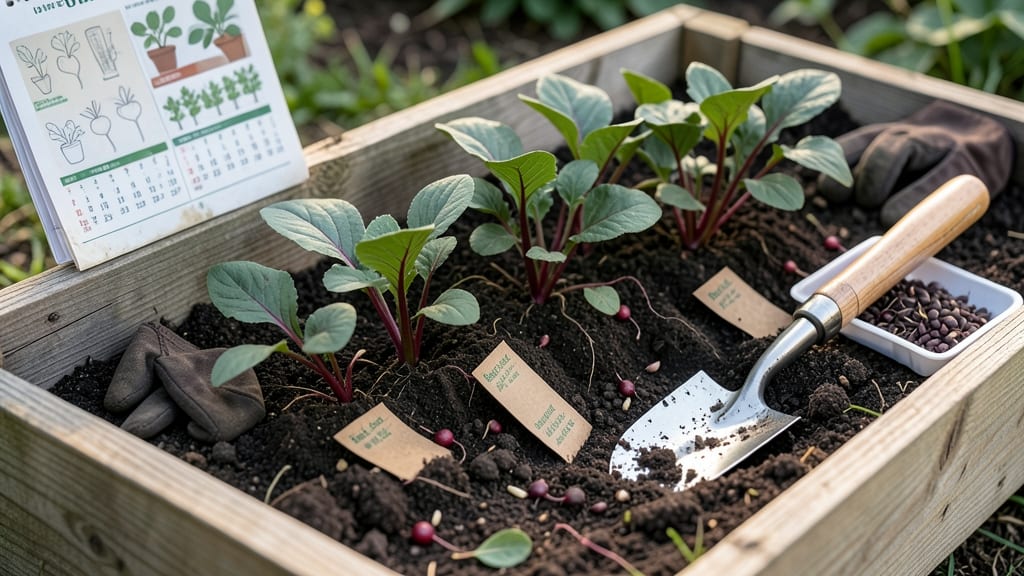
If you’ve ever planted beets in Connecticut only to watch them bolt or rot before harvest, you’re not alone—timing is everything with this finicky 🍠. The state’s 6a zone and shifting microclimates mean a 2-week window can mean the difference between a bumper crop and wasted seeds.
Most gardeners assume spring is the only chance, but Connecticut’s short growing season actually gives you two prime opportunities: early spring (March 15–April 30) and fall (September 1–October 15). The key? Soil temps above 40°F and knowing your last frost date—whether you’re in coastal New Haven or inland Hartford.
Here’s the game-changer: I’ll break down exact planting dates by microclimate, including succession planting tricks to stretch your harvest from June to November. No more guessing—just data-driven timing to beat CT’s pests and unpredictable weather.
Ready to turn your garden into a beet bonanza? Let’s dive into the soil temp and frost date secrets that’ll make this your most successful growing season yet.
Connecticut beet planting calendar by microclimate (soil temp & frost dates)
Connecticut’s three distinct microclimates—coastal, inland, and highland—mean your beet planting window can shift by 2-3 weeks. Coastal areas (like New Haven) warm faster, while inland valleys (like Hartford) lag behind.
Highland regions (like Litchfield Hills) face earlier frosts. Let’s break down the ideal soil temperatures and frost-free dates for each zone to maximize your harvest.
Beets thrive when soil temperatures hit 40°F+, but germination slows below 50°F. In USDA Zone 6a, most of Connecticut, your last spring frost typically arrives between April 15–May 15, while the first fall frost hits October 1–November 1.
These dates are your planting guardrails—but microclimates tweak them.
For coastal CT (e.g., Stamford, Groton), plant 2 weeks earlier than inland areas. The Atlantic Ocean moderates temperatures, letting you sow beet seeds as early as March 15 under row covers.
Inland zones (e.g., Middletown, Willimantic) align closer to the April 1–April 30 window, while highland areas (e.g., Torrington, Washington Depot) should wait until April 15–May 1 to avoid frost.
Planting too early risks frost damage to young seedlings, while late planting can lead to bolting (premature flowering) as days lengthen. For spring plantings, aim to harvest before July 15 to avoid the leaf miner pest surge.
In fall, prioritize cold-hardy varieties like ‘Detroit Dark Red’ or ‘Golden’ to survive light frosts.
Pro tip: Use a soil thermometer to confirm 40°F+ before sowing.
Coastal gardeners can push the envelope with row covers, but inland and highland growers should wait for consistent warmth. Succession planting every 2 weeks from April to July ensures a steady harvest—more on that in the next section!
Missed the spring window? Don’t worry—fall planting in Connecticut works beautifully. Sow seeds September 1–October 15 for a late-October harvest before hard frosts set in. Just monitor first frost dates closely, as highland areas freeze earlier.
For coastal CT, extend your season by 3–4 weeks in both spring and fall. Inland zones gain 2 weeks, while highland gardeners should focus on short-season varieties like ‘Babybeat’ or ‘Chioggia’ to avoid bolting. Microclimates matter!
🌱
How to extend your beet harvest season in Connecticut (succession planting & frost protection)
Connecticut’s short growing season can feel like a race against time for beets, but with the right strategies, you can enjoy fresh harvests from early spring to late fall. The key is succession planting—staggering your sowings every 2 weeks—to keep roots reaching maturity before frost.
Even better, cold-hardy varieties like ‘Detroit Dark Red’ or ‘Golden’ can handle light frosts, giving you extra weeks of harvest.
For fall plantings, aim to sow seeds by September 1 for a harvest before the first frost (usually October 20). Use row covers or cloches to shield young plants from unexpected chills.
In inland valleys, where nights get colder faster, start seeds indoors 4-6 weeks before the last frost and transplant outdoors after soil warms to 40°F+.