
Plants
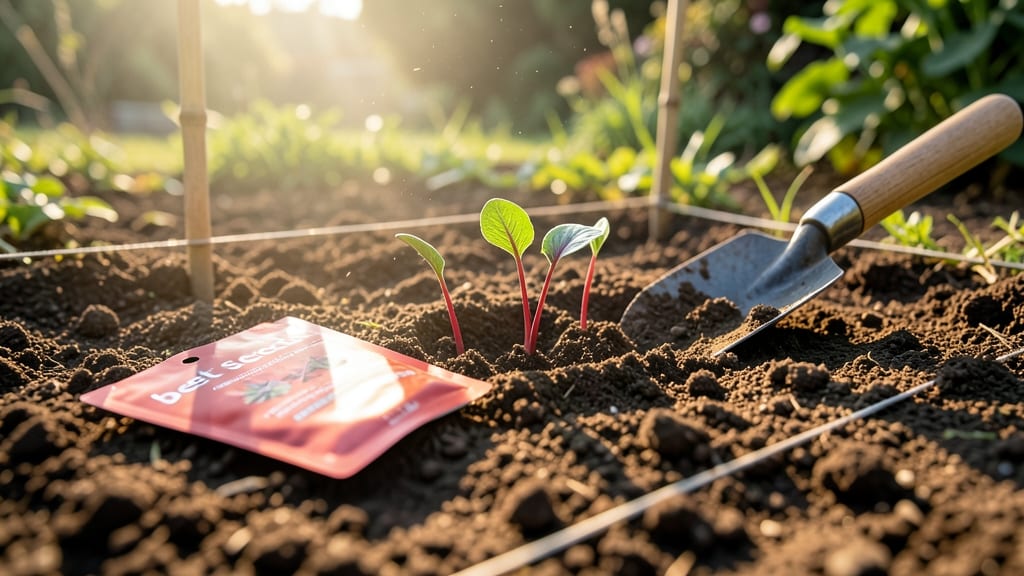
Planting beets in Louisiana at the wrong time can turn your garden into a sad, bolting mess—but get the timing right, and you’ll harvest sweet, tender 🍠 all season long. The key is understanding how Louisiana’s hot, humid summers and mild winters affect these cool-weather crops.
Most gardeners in zones 8a-9b know the basics: plant in fall or spring. But what you might not realize is how soil temperature and humidity can trick beets into bolting early.
I’ll show you exactly when to start seeds and how to stretch your harvest with succession planting—so you’re never left with just one shot at success.
Whether you’re a first-time gardener or a seasoned pro, these tricks will help you beat Louisiana’s heat and pests. From choosing the right varieties to avoiding common mistakes, you’ll learn how to grow beets that stay sweet and plentiful—no matter the season.
Let’s dive into the 3 critical tricks that’ll keep your beets thriving from September to May. Ready to grow like a local?
Best planting windows for beets in Louisiana’s climate zones
Louisiana’s humid subtropical climate (USDA zones 8a-9b) creates unique challenges for growing beets. Unlike cooler northern states, our long, hot summers and mild winters demand precise planting timing to avoid bolting (premature flowering) or stunted growth.
The key? Planting during cooler months when soil temperatures stay below 75°F—a threshold that triggers bolting in most varieties.
Most gardeners in Louisiana focus on two primary planting windows: late summer/fall for a harvest before winter, and early spring for a summer crop. But with Louisiana’s 240 frost-free days, you can also experiment with succession planting for extended harvests.
Let’s break down the best months for each zone and how to adapt for your specific location.
⚠️ NON-NEGOTIABLE: Always check your local last frost date (Feb 15) and first frost date (Dec 1)—these vary slightly by parish. For example, North Louisiana (zone 8a) has cooler winters than South Louisiana (zone 9b), so adjust your schedule accordingly.
| Planting Window | Ideal Months | Soil Temp | Harvest Window | Notes for Louisiana |
|---|---|---|---|---|
| Fall Planting | September–October | 50–70°F | November–December | Best for North Louisiana (8a); use shade cloth in late Oct if temps rise. |
| Spring Planting | February–March | 55–65°F | April–May | Avoid planting after March 15 in South Louisiana (9b)—heat stress causes bolting. |
| Succession Planting | August & November | 60–70°F | September & December | Use heat-tolerant varieties (e.g., 'Burpee Golden') and drip irrigation to prevent bolting. |
| Winter Planting | January (cover crops) | 45–55°F | March | Only viable in North Louisiana (8a); use row covers for frost protection. |
For North Louisiana (zone 8a), focus on fall planting in September and spring planting in February. The cooler winters here allow for a January cover crop if you’re ambitious, but be prepared to use row covers to protect young seedlings from unexpected frosts.
In South Louisiana (zone 9b), spring planting must end by March 15—after that, the heat becomes too intense for most varieties.
Pro tip: Use a soil thermometer to monitor temperatures. Beets thrive when soil stays between 50–70°F. If your soil hits 75°F+, your beets will bolt within 2–3 weeks. This is especially critical in August and September, when Louisiana’s humidity spikes.
If you’re in transition zones (like Baton Rouge or Lafayette), err on the side of earlier planting. For example, start your fall crop in late August instead of September to beat the heat.
And always harden off seedlings for 7–10 days before transplanting to reduce stress from Louisiana’s high humidity.
One mistake I see often? Planting beets in June or July for a "summer harvest." Unless you’re using heat-tolerant varieties (like 'Chioggia'), your beets will bolt before they mature. Instead, save those spots for heat-loving crops like okra or sweet potatoes and stick to beets in the cooler months.
For a continuous harvest, try this schedule:
- First planting: Late August (succession crop)
- Second planting: Mid-September (main fall crop)
- Third planting: Early November (winter crop in North LA)
This ensures you have beets ready to harvest every 6–8 weeks from September through December.
Remember: Louisiana’s climate variability means your mileage may vary. Keep a gardening journal to track your planting dates, soil temps, and harvest success. Over time, you’ll fine-tune the perfect schedule for your specific microclimate.
Best planting windows for beets in Louisiana’s climate zones
Louisiana’s USDA zones 8a-9b create unique challenges for beet growers—heat and humidity can trigger bolting, while short winters limit cold-season options. The key is planting during cooler months when soil temperatures stay below 75°F to prevent bitter, woody roots.
My best advice? Focus on fall and early spring for the sweetest harvests.
For North Louisiana (zone 8a), where winters are slightly cooler, you’ll have a longer window for both fall and spring plantings. In South Louisiana (zone 9b), summers are relentless—so avoid planting during June-August unless you’re using shade cloth.
The goal is to harvest before consistent 80°F+ soil temps send your beets bolting.
| Season | Planting Window | Soil Temp Threshold | Harvest Window | Key Tip |
|---|---|---|---|---|
| Fall | Late August–September (North LA) Early September–October (South LA) |
50°F–70°F | October–December | Plant 4-6 weeks before first frost (Dec 1). |
| Spring | February–March (North LA) March–April (South LA) |
55°F–65°F | April–May | Wait until soil warms to 60°F+ to avoid slow growth. |
| Summer (Risky) | June–July (with shade) | Below 75°F (use 30% shade cloth) | August–September | Only for heat-tolerant varieties like 'Chioggia'. |
If you’re aiming for a year-round harvest, try succession planting every 2-3 weeks during your ideal windows. For example, in North Louisiana, sow seeds in late August, then again in mid-September and early October to stagger maturity.
In South Louisiana, your last fall crop should be in by mid-October to avoid heat stress.
One common mistake I see is planting beets too early in spring when soils are still cold. Beets germinate best at 50°F+, but they’ll rot in soggy, chilly soil.
Test your soil temperature with a soil thermometer—if it’s below 55°F, wait another week. Patience here pays off with faster germination and fewer seedling diseases.
For extended harvests, consider intercropping beets with fast-growing greens like spinach or lettuce. The greens provide shade for young beet seedlings while you wait for soil to warm.
Just remove the greens once beets are 2 inches tall to avoid competition. This trick works especially well in South Louisiana’s longer growing seasons.
Remember: Louisiana’s humidity means you’ll need to water consistently, but don’t overdo it—waterlogged soil causes rot. Aim for 1-2 inches of water per week, and always water in the morning to reduce fungal risks.
With the right timing, you’ll enjoy sweet, tender beets from fall through spring—no bitter surprises here! 🌱