
Plants
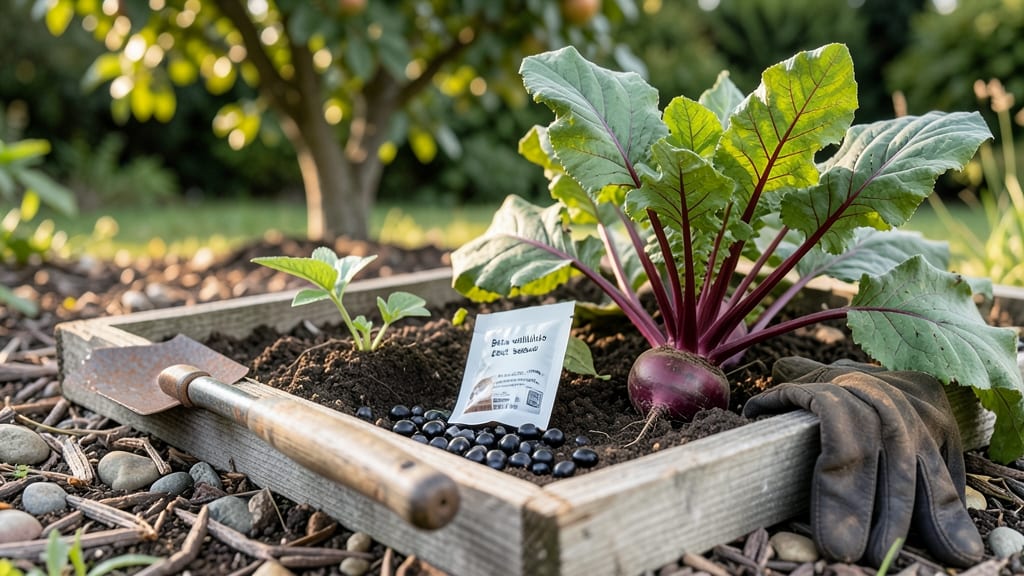
Timing your beet 🍠 planting in Oregon could mean the difference between a bumper crop of sweet, crisp roots and bitter, bolted greens. The wrong moment means watching your hard work turn to seed before it even reaches harvest size—something no gardener wants.
Here’s the secret: Oregon’s 7b-9a zones give you two prime windows—early spring and late summer—but getting the timing just right depends on where you live. Coastal areas like the Willamette Valley have different frost risks than inland spots, and skipping this step could cost you your entire harvest.
I’ll break down exactly when to plant for your specific microclimate, so you can avoid the common mistakes that turn beets into sad, stringy messes. Whether you’re a first-time gardener or a seasoned green thumb, these tips will help you grow beets that are perfectly sized and packed with flavor.
Ready to dig in? Let’s get those seeds in the ground at the ideal moment—because in Oregon, timing really is everything for a successful beet harvest.
Oregon’s best planting windows for beets (avoiding bolting and frost risks)
Timing is everything when growing beets in Oregon, where coastal fog and inland heat create wildly different conditions. Plant too early, and frost will nip tender seedlings. Wait too long, and your beets will bolt prematurely—turning sweet roots into bitter greens.
The key? Align your planting with soil temperatures and microclimate zones to maximize your harvest.
Oregon’s USDA zones 7b-9a mean you can grow beets year-round with the right strategy, but the ideal planting windows are early spring (March-April) and late summer (August-September).
These periods balance warm soil and cool evenings, preventing bolting while avoiding frost. Let’s break it down by region to ensure your beets thrive.
🌱 Did You Know? Beet seeds need soil temperatures of at least 45°F (7°C) to germinate. Coastal Oregon often hits this in February, while inland areas may wait until March or April. Always check a soil thermometer before planting!
| Region | Last Frost Date | Best Planting Window | Soil Temp for Germination | Harvest Window |
|---|---|---|---|---|
| Coastal (e.g., Astoria, Cannon Beach) | Mid-February | February–March, August–September | 45–50°F (7–10°C) | May–June, October–November |
| Willamette Valley (e.g., Portland, Eugene) | Late March | March–April, August–September | 50–55°F (10–13°C) | June–July, October |
| High Desert (e.g., Bend, La Pine) | Early May | April–May, July–August | 55–60°F (13–16°C) | July–August, September–October |
For coastal gardeners, the February-March window is your golden opportunity. The ocean’s moderating influence keeps soils cool, reducing bolting risk. Inland areas like the Willamette Valley should wait until March-April when soil temperatures consistently stay above 50°F (10°C).
High desert regions have the shortest season—plant in April-May for a summer harvest or July-August for fall beets.
Pro tip: Use a frost clock or local agricultural extension service (like OSU’s) to track your last frost date. Plant beets 2–3 weeks after this date for safety. In coastal areas, you can even start seeds indoors in January for an earlier transplant.
Bolting is the #1 enemy of Oregon beet growers. To prevent it, avoid planting when daylength exceeds 14 hours (typically June–July). Instead, focus on spring and fall plantings when cooler temps keep beets happy. If you’re pushing the limits, opt for bolting-resistant varieties like ‘Detroit Dark Red’ or ‘Chioggia’.
Soil prep is just as critical as timing. Beets thrive in loose, well-draining soil with a pH of 6.0–7.0. Amend heavy clay soils with compost or sand to improve drainage.
A mulch layer (straw or grass clippings) helps retain moisture and regulate soil temps—critical for Oregon’s unpredictable spring rains.
💡 Actionable Tip: Test your soil’s nitrogen levels before planting. Too much nitrogen = leafy greens, not sweet roots. Aim for a balanced fertilizer (5-10-10) applied lightly at planting and again 6–8 weeks later. Over-fertilizing is a fast track to bolting!
Finally, don’t overlook succession planting. Instead of one big harvest, sow small batches every 2 weeks from March to May. This ensures a steady supply of baby beets (1–2 inches) and mature roots (3+ inches) all season long.
Pair this with row covers in early spring or late fall to extend your growing window by 3–4 weeks.
How to extend your beet season in Oregon (succession planting & row cover hacks)
Oregon’s cool coastal breezes and warm inland valleys create unique opportunities to grow beets almost year-round. With the right succession planting and season-extending tricks, you can enjoy fresh, crisp roots from early spring to late fall—without the risk of bolting or frost damage.
Most gardeners focus on the primary spring planting window (March-April), but savvy Oregon growers know that late summer and fall harvests are just as rewarding. The key? Staggered plantings and protective tools like row covers to shield tender seedlings from unexpected chills.
Here’s how to maximize your beet harvest by pushing the limits of Oregon’s growing seasons—without sacrificing quality or flavor.
🌱 5 Pro Tips to Extend Your Beet Season
- 📅 Plant every 2-3 weeks from March to July for a continuous harvest. Start with a small batch, then repeat as the first set matures.
- 🌡️ Use row covers in early spring (before April 15) and late fall (after October 1) to protect seedlings from 32°F+ frosts.
- ☀️ Choose heat-tolerant varieties like ‘Burpee’s Golden’ for late summer plantings (August-September) to avoid bolting in 90°F+ heat.
- 🌱 Direct-sow in containers for microgreens or baby beets year-round on a sunny windowsill (south-facing).
- 🍂 Harvest before first frost (late October in coastal areas, early November inland) or use straw mulch (6+ inches thick) to insulate roots through winter.
For coastal Oregon gardeners, the fall window is especially generous. Plant a final batch in mid-August for harvests through October or November, depending on your microclimate. Inland areas like the Willamette Valley can push this even later, sometimes into December with row covers.
Pro tip: If you’re growing beets for storage, leave roots in the ground until soil temps drop below 40°F. Cure them in a cool, dark basement for 1-2 weeks before storing—they’ll keep for months this way!
With these strategies, you’ll turn Oregon’s unpredictable seasons into a beet-growing advantage. Happy planting! 🌱