
Plants
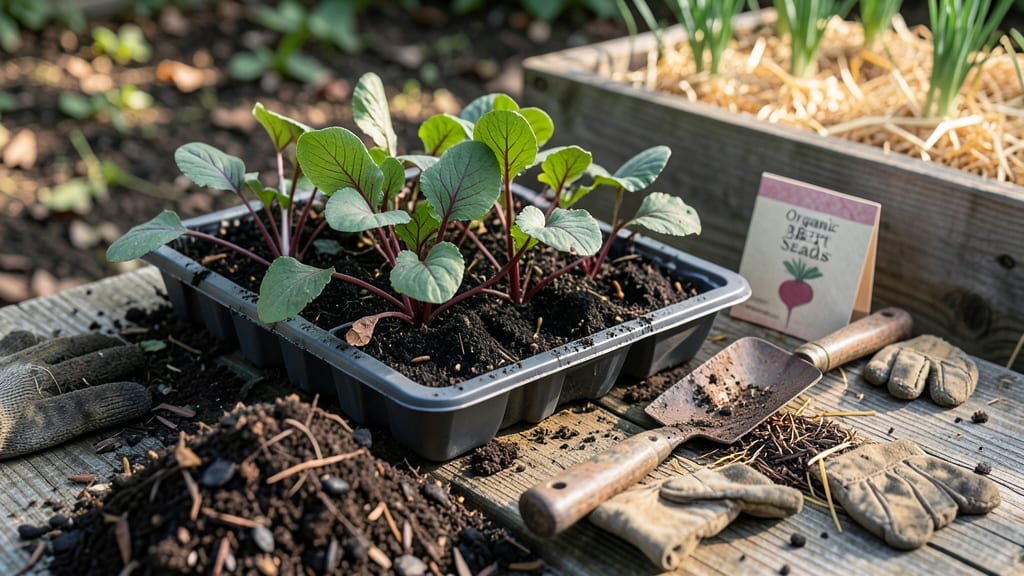
If you're asking "when to plant beets in Wisconsin", the answer isn't just about the calendar—it's about soil temperature, frost dates, and avoiding that bitter taste from heat-stressed plants.
Beets (🍠) are finicky about warmth, and planting too early or too late can mean waiting weeks for germination or watching your crop bolt before harvest.
Wisconsin's 4b-5b climate gives you two prime windows: early spring when soil warms to 40°F, and late summer when temperatures dip below 85°F. But timing isn't one-size-fits-all—southern Wisconsin's milder springs and northern areas' slower warming mean you might need to adjust by weeks.
The key? Soil, not air, temperature determines success.
I'll show you exactly how to read your soil's signals, pick the best beet varieties for your region, and even stretch your harvest with succession planting. Skip the guesswork—these fast germination secrets will get you from seed to table in record time, no matter where in Wisconsin you garden.
Ready to grow beets that stay sweet and tender? Let's dive into the soil science that separates thriving crops from frustrating failures—and why your planting schedule might need a 3-week tweak from what you've tried before.
Wisconsin beet planting calendar: soil temperature rules for success
Beets are finicky about soil temperature, and Wisconsin’s variable climate makes timing critical. Plant too early, and your seeds will sit dormant for weeks; too late, and your beets bolt into bitter, flower-filled disappointment.
The sweet spot? Soil between 40°F and 85°F—but let’s break it down by season to match Wisconsin’s USDA Zones 4b-5b.
For early spring plantings, aim for late March to mid-April when soil warms to at least 40°F.
This aligns with Wisconsin’s last frost dates (mid-April in southern regions, early May in the north). Late summer/fall plantings should happen between July 15 and August 15, when soil cools below 85°F to prevent bolting.
Here’s the golden rule: Beets germinate best at 50°F–70°F. Below 40°F, they’ll rot; above 85°F, they’ll bolt. Use a soil thermometer to check—Wisconsin’s microclimates (like warmer southern counties vs. cooler northern areas) can shift ideal times by weeks.
Pro tip: Succession planting every 2 weeks from April to July ensures a steady harvest. Start with hardy varieties like Detroit Dark Red for early plantings, then switch to faster-maturing types (e.g., Babybeat) as summer heats up.
Wisconsin’s first frost (mid-October) signals the end of the growing season, but beets can tolerate light frosts. For a fall harvest, plant Chioggia or Golden beets by August 1—they’ll mature before winter sets in.
🌱
Wisconsin’s northern regions (e.g., Green Bay) may need to delay spring plantings until mid-April, while southern areas (e.g., Madison) can start as early as late March. Check the Wisconsin State Climatology Office for localized frost data—it’s your secret weapon for perfect timing.
Never plant beets when soil is cold and soggy (e.g., early April after snowmelt). Amend clay-heavy Wisconsin soil with compost to improve drainage, and avoid planting in low-lying areas where frost lingers. A black plastic mulch can warm soil by 5–10°F in spring, giving you an earlier start.
For container gardening, use heat-retaining pots and plant in late May when soil temps stabilize. Containers warm up faster than ground soil, so monitor temps closely—60°F+ is ideal for containers.
🌿
How to test soil temperature for beets (and avoid common mistakes)
Testing soil temperature is the secret weapon for Wisconsin beet growers. Beets germinate best between 40°F and 85°F, but cold soil slows them down or causes rot. A soil thermometer—costing just $10-$15—reveals when your garden is ready.
I’ve learned the hard way that planting too early in chilly Wisconsin springs means waiting 3+ weeks for sprouts!
Start checking soil temps 2 weeks before your target planting date. For early spring, aim for 50°F+ in southern WI or 55°F+ in colder northern regions. Late summer plantings should hit 60°F-70°F—any hotter, and your beets may bolt before harvest. Pro tip: Test in morning shade for accurate readings.
⚠️ WARNING: Overwatering Cold Soil
Mistake: Drenching below-50°F soil creates soggy conditions that rot seeds before germination. Fix: Water lightly (just ½ inch) and use mulch to warm soil naturally. Black plastic mulch can raise temps by 5-10°F in 1-2 weeks!
Wisconsin’s microclimates complicate things. Southern counties (like Milwaukee) can plant 2-3 weeks earlier than northern areas (e.g., Duluth). Check the Wisconsin State Climatology Office for your last frost date—then count backward.
For example, if frost hits May 10, plant 4-6 weeks prior when soil hits 50°F.
Don’t rely on air temperature! A 55°F spring day might hide 45°F soil. Dig 2 inches deep (where beet seeds sit) and take readings at morning, noon, and evening. If temps fluctuate 10°F+, wait for consistency.
I once planted in 52°F soil thinking it was warm enough—my beets took 21 days to sprout instead of the usual 7-10 days!
For late summer plantings, test soil after July 15 to avoid bolting. Beets hate 90°F+ soil, so plant in partial shade or use shade cloth if temps climb. Succession plant every 2 weeks for a continuous harvest—just ensure soil cools to 65°F before each new batch.
Remember: Patience wins. Rushing leads to poor germination or bolted greens. With a soil thermometer and Wisconsin’s frost-free window (about 165 days), you’ll nail the perfect timing for sweet, tender beets all season long. 🌱