
Plants
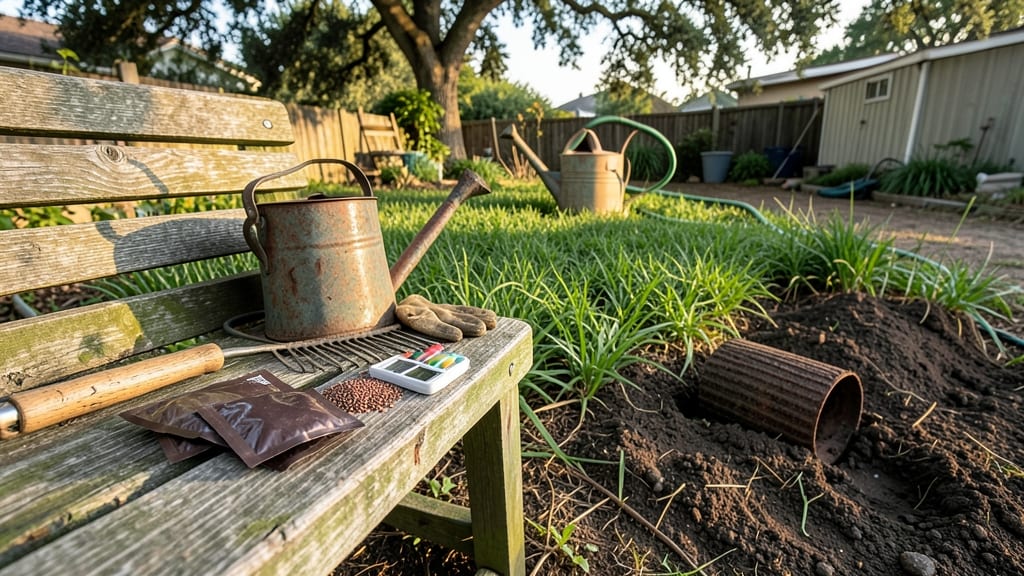
Planting Bermuda grass seed in Georgia at the wrong time can turn your dream of a thick, green lawn into a frustrating gamble. The key to fast, reliable establishment lies in understanding the perfect planting windows—when soil temperatures and weather align just right for your 🌱 to thrive.
Georgia’s climate offers two ideal opportunities: late spring or early fall, but timing matters more than you might think. Plant too early, and frost or cool soils can stall germination.
Too late, and summer heat might stress young seedlings before they take root. I’ll break down exactly when to plant for maximum success in your specific zone.
Whether you’re seeding a new lawn or repairing bare patches, getting this right means less work and more results. We’ll cover soil prep, temperature checks, and regional differences so you can skip the guesswork and get that lush, drought-resistant lawn established quickly.
Ready to transform your yard? Let’s dive into the science-backed timing that separates a good lawn from a great one—without the trial and error.
Best time to plant Bermuda grass seed in Georgia: spring vs fall compared
Georgia's climate—hot summers and mild winters—creates two ideal windows for planting Bermuda grass seed: late spring and early fall. But which season gives you the best germination rates and fastest establishment?
The answer depends on your USDA zone (7a-8b) and local microclimate. Let's break down the pros and cons of each timing to help you decide.
Spring planting in Georgia typically starts in late April and runs through early June, while fall planting begins in late August and continues until early September. Both seasons offer advantages, but they come with distinct challenges.
For example, spring planting risks late frost damage, while fall planting must contend with increasing heat as summer approaches. Understanding these factors will help you avoid costly mistakes.
Here's a direct comparison of the two planting seasons to help you choose the best time for your Georgia lawn:
| Factor | Spring Planting (Late April - Early June) | Fall Planting (Late August - Early September) |
|---|---|---|
| Soil Temperature | 65°F+ (consistent) | 70°F+ (cooling trend) |
| Germination Speed | 7-14 days (faster with warmth) | 10-21 days (slower as temps drop) |
| Establishment Time | 6-8 weeks (full coverage) | 8-10 weeks (cooler temps slow growth) |
| Weed Competition | Moderate (spring weeds emerge) | Low (weeds dormant in fall) |
| Watering Needs | High (evaporation risk) | Moderate (cooler temps reduce loss) |
| Frost Risk | Low (after late April) | None (before first frost) |
| Best For | Fastest growth, summer prep | Strong root development, winter prep |
For North Georgia (USDA 7a), I recommend leaning toward late spring planting (May) to avoid early-season frosts that can still occur. In South Georgia (USDA 8a-8b), both seasons work well, but fall planting often yields denser grass by winter due to cooler temperatures reducing stress on young seedlings.
Regardless of season, always wait until soil temperatures reach at least 65°F for optimal Bermuda grass germination. Use a soil thermometer to check—this simple tool can save you from planting too early and risking poor establishment. In Georgia, this typically means avoiding March plantings entirely, even in southern regions.
Another key factor is rainfall patterns. Spring in Georgia often brings sporadic showers, while fall offers more consistent moisture. If you're planting in dry years, fall may give your new lawn a better chance to establish before winter dormancy.
However, if you're in a humid microclimate, spring planting might reduce fungal risks by avoiding prolonged fall moisture.
Pro tip: If you're unsure about timing, consider late May planting as a compromise. This gives your seeds enough warmth to germinate quickly while avoiding the peak weed competition of early spring. Just be prepared for more frequent watering as summer heat arrives.
Remember, Bermuda grass is a warm-season grass, meaning it thrives in heat but goes dormant in winter. Planting in the right window ensures your lawn has time to develop deep roots before Georgia's first frost—typically around mid-November in most regions.
Finally, don't forget that seed selection matters. For Georgia's climate, choose common Bermuda grass for general use or hybrid varieties like Tifway or Celebration for improved drought tolerance. These varieties are bred to handle Georgia's heat and humidity better than standard types.
🌱
How to prepare Georgia soil for Bermuda grass seed planting
Preparing your Georgia soil properly is the foundation of a successful Bermuda grass lawn. Bermuda grass thrives in well-draining soil with a pH between 6.0 and 6.5, but most Georgia soils need adjustments before planting.
Skipping this step means slower germination, weaker grass, and more weeds competing for space. Let’s walk through the essential prep work to give your seeds the best possible start.
First, test your soil’s pH at least 4-6 weeks before planting. Georgia’s native soils often lean acidic or alkaline, and Bermuda grass prefers a slightly acidic to neutral range.
You can use a home test kit (around $10) or send a sample to your local University of Georgia Extension office for professional analysis. If your pH is too high (above 6.5), amend with sulfur or peat moss. For low pH (below 6.0), add lime according to test recommendations.
Here’s a step-by-step guide to preparing your soil for Bermuda grass seed, tailored to Georgia’s climate:
-
📋 Step 1: Clear the Area
Remove all existing vegetation, including weeds, using a broadfork or sod cutter. For stubborn weeds, apply a non-residual herbicide (like glyphosate) 2-3 weeks before planting. Avoid pre-emergent herbicides—they’ll kill your Bermuda grass seeds too. -
🔄 Step 2: Till the Soil
Loosen the top 4-6 inches of soil using a rototiller. Break up compacted layers to improve root penetration. In Georgia’s clay-heavy soils, mix in 2-3 inches of compost or sand to enhance drainage and fertility. -
🧪 Step 3: Adjust pH and Fertility
Based on your soil test, amend the pH as needed. For Bermuda grass, aim for 6.0-6.5. Add slow-release fertilizer (like 16-4-8 or 30-0-4) at a rate of 1 lb per 1,000 sq ft. Avoid high-nitrogen fertilizers before planting—they can burn seeds. -
💧 Step 4: Level the Ground
Rake the soil smooth to eliminate low spots where water pools. Bermuda grass hates soggy roots, so even a slight slope can lead to uneven growth. Use a lawn roller to compact the soil lightly, ensuring good seed-to-soil contact. -
☀️ Step 5: Final Soil Prep
Wait 3-5 days after tilling to let the soil settle. On planting day, lightly rake again to create a fine, crumbly texture. This helps seeds make direct contact with the soil, which is critical for germination in Georgia’s heat.
One common mistake I see in Georgia is over-tilling, which can bring weeds to the surface. To prevent this, till only the top 4-6 inches and avoid disturbing deeper soil layers.
If you’re planting in an area with heavy clay, consider adding gypsum (calcium sulfate) to improve soil structure without altering pH.
After prep, keep the soil lightly moist but not soggy until planting. Bermuda grass seeds need consistent moisture to germinate, but standing water can cause rot. In Georgia’s humid summers, this means watering early in the morning to reduce evaporation and fungal risks.
Once your seeds are in the ground, aim for 1 inch of water per week, either from rain or irrigation.
Pro tip: If you’re planting in North Georgia (USDA 7a), where summers are hotter and drier, add mulch (like straw) after seeding to retain moisture. In South Georgia (USDA 8a-8b), focus on improving drainage—Bermuda grass struggles in waterlogged soils common in coastal areas.
Finally, don’t rush the prep work. Rushing soil amendments or tilling can disrupt the delicate balance needed for Bermuda grass to establish. Take your time, and your lawn will reward you with dense, drought-resistant growth all season long. 🌱