
Plants
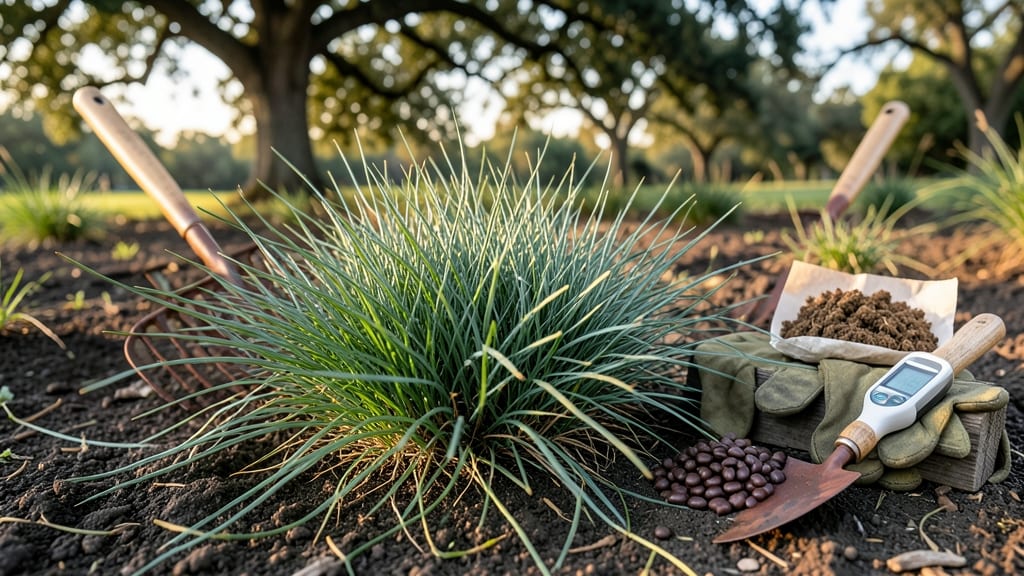
Optimal Arkansas Bermuda grass planting windows: spring vs fall timing breakdown
Arkansas gardeners face a critical decision when planting Bermuda grass seed: spring or fall? The answer depends on your USDA zone (6b-8a) and soil temperature thresholds.
Unlike cool-season grasses, Bermuda thrives in heat, making timing all about avoiding frost and maximizing growth potential during Arkansas’s 180-day frost-free window.
Spring planting is the most reliable option for Arkansas because it aligns with the state’s last frost date (March 15). However, rushing too early can leave seedlings vulnerable to late cold snaps, especially in Zone 6b areas like the Ouachita Mountains.
Fall planting is riskier due to Arkansas’s unpredictable first frost (November 15), but it can work in Zone 8a regions like the Arkansas River Valley.
Here’s the key difference: Spring planting (after May 15) ensures soil temperatures stay above 65°F (18°C), while fall planting (before September 15) risks seedling dormancy if frost arrives early. Let’s break it down for Arkansas’s diverse climate zones.
For Zone 6b gardeners (e.g., Bentonville or Eureka Springs), stick to spring planting after May 15 to avoid late frosts.
In Zone 8a areas (e.g., Little Rock or Fort Smith), you can try fall planting in August, but monitor soil temps closely—Bermuda seeds won’t germinate below 65°F (18°C).
Pro tip: Use a soil thermometer to confirm 65°F+ before planting. Arkansas’s clay-heavy soils can stay cool longer, delaying germination. If you’re in doubt, wait until June—the safest window for statewide success.
Remember, Bermuda grass is warm-season, meaning it goes dormant in winter. Planting too early in spring (before May) risks seedling death if a cold snap hits. Conversely, fall planting in September or later leaves little time for roots to establish before frost.
Local Arkansas University Extension data shows that spring-planted Bermuda grass reaches 50% coverage by July, while fall-planted grass often struggles to survive in Zone 7a and below. For maximum success, align your planting with Arkansas’s 180-day growing season—prioritize May-June for zero frost risk.
If you’re in southern Arkansas (Zone 8a), you might get away with late-August planting, but expect slower growth. Always err on the side of caution: Bermuda grass is drought-tolerant once established, but seedlings need consistent moisture—something Arkansas’s summer heat can quickly dry up.
Optimal Arkansas Bermuda grass planting windows: spring vs fall timing breakdown
Arkansas gardeners face a critical decision when planting Bermuda grass seed: should they plant in spring or fall? The answer depends on your USDA zone (6b-8a) and local frost patterns.
Unlike cool-season grasses, Bermuda thrives in heat, so timing directly impacts its ability to establish before summer’s intensity. Let’s break down the best windows for Arkansas.
Spring planting is the most reliable option for Arkansas, with the ideal window running from mid-April to early June. This aligns with soil temperatures reaching 65°F (18°C)—the minimum for germination.
Fall planting, while possible, carries higher frost risks after November 15, when temperatures plummet unpredictably across the state.
| Factor | Spring Planting (Apr-Jun) | Fall Planting (Sep-Oct) |
|---|---|---|
| Soil Temp Requirement | 65°F+ (consistent) | 60°F+ (risky after Oct) |
| Frost Risk | Low (post-March 15) | High (post-Nov 15) |
| Establishment Speed | 6-8 weeks (summer heat) | 4-6 weeks (cooler temps) |
| Watering Needs | High (daily until roots) | Moderate (less evaporation) |
| Best Arkansas Zones | 7a-8a (all regions) | 7b-8a (avoid north) |
For northern Arkansas (USDA 6b-7a), focus on late April to May planting to avoid late frosts. Southern regions (7b-8a) can extend to early June, but monitor soil temperatures—Bermuda seed won’t sprout below 60°F (15°C).
Use a soil thermometer to confirm readiness; Arkansas Extension recommends waiting until morning temps stay above 70°F (21°C) for 3+ days.
Fall planting in Arkansas is riskier but possible if you act early. Aim for late August to mid-September to give seedlings time to establish before first frost. However, northern Arkansas gardeners should avoid fall planting entirely—cold snaps can kill young grass before dormancy sets in.
If you choose fall, prioritize sheltered areas and use a light mulch to insulate roots.
Pro tip: Check the University of Arkansas Extension’s frost maps before planting. Their 10-year frost data shows that Little Rock (Zone 7b) averages 2-3 late frosts after October 15—plant too late, and your seedlings could suffer.
For maximum success, align your planting with local agricultural calendars rather than generic national guidelines.
Remember, Bermuda grass is a warm-season grass, meaning it grows best when days are long and hot. Planting in late spring ensures it has 6-8 weeks of warm weather to establish deep roots before summer’s peak.
Fall plantings, while faster to germinate, often struggle to harden off before winter dormancy begins.