
Plants
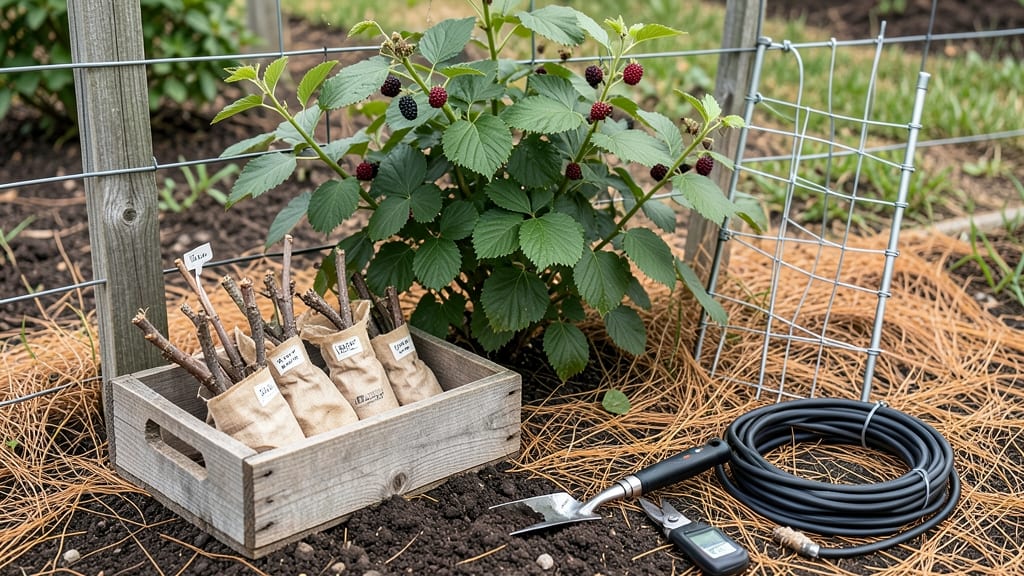
If you're dreaming of a backyard bursting with juicy 🫐 blackberries, timing your Louisiana planting just right is the secret to success.
Planting blackberries at the wrong time can leave you with sparse harvests or even failed crops—but with the right chill-hour strategy, you can turn your garden into a berry bonanza.
Louisiana’s warm climate means blackberries need the perfect window to thrive, especially in USDA zones 8a-9b. Late winter to early spring (February-March) is your best bet, but matching varieties to your region’s chill hours is the game-changer for sweet, abundant harvests.
I’ll break down the exact planting schedule, soil prep tips, and variety recommendations tailored to Louisiana’s heat and humidity. Whether you’re a first-time gardener or a seasoned grower, these insights will help you avoid common mistakes and maximize your yield.
Ready to transform your garden into a blackberry paradise? Let’s get started with the easiest way to time your planting for a bigger harvest.
Louisiana blackberry planting calendar: chill-hours explained for optimal growth
Planting blackberries in Louisiana isn't just about picking a month—it's about matching your variety to the chill-hours your region provides. Louisiana spans USDA Zones 8a-9b, where chill-hour ranges vary dramatically from 400-800+ hours annually.
This means choosing the wrong variety could leave you with poor fruit set or no berries at all.
Most Louisiana gardeners focus on Evergreen and Primocane varieties, which thrive with minimal chill-hours. But even these need the right timing. The ideal planting window is late winter to early spring (February-March), right after the last frost date (mid-February on average).
This gives roots time to establish before summer's heat peaks.
If you miss spring, fall planting (September-October) is your second chance—but only for bare-root plants. Container-grown blackberries can handle fall, but they'll need extra care to survive winter's mild freezes (28-32°F).
Chill-hours are the number of hours below 45°F your plants experience. Louisiana's southern regions (e.g., New Orleans) often see 400-600 hours, while northern areas (e.g., Shreveport) can hit 800+ hours. Varieties like 'Arapaho' (600+ hours) work statewide, while 'Natchez' (400-600 hours) is perfect for the deep south.
🌱 Louisiana Blackberry Planting Guide by Chill-Hours
| Region | Chill-Hours | Best Varieties | Planting Window |
|---|---|---|---|
| New Orleans | 400-500 hrs | Natchez, Ouachita, Prime-Ark Freedom | Feb 15 - Mar 15 |
| Baton Rouge | 500-600 hrs | Arapaho, Prime-Jim, Chester | Feb 1 - Mar 10 |
| Shreveport | 700-800+ hrs | Triple Crown, Prime-Ark Traveler | Jan 15 - Feb 28 |
⚠️ Pro Tip: Use a chill-hour calculator (like the LSU AgCenter tool) to confirm your local chill-hours before buying plants.
Evergreen blackberries (Primocane types) are Louisiana's superstars because they fruit on new growth, meaning they don't need as many chill-hours. Varieties like 'Prime-Ark Freedom' produce fruit on current season's canes, so they're more forgiving if you're in a low-chill zone (e.g., 400-600 hours).
For Floricane types (like 'Arapaho'), timing is critical. These need 600+ chill-hours to set fruit properly. Plant them in late winter so they establish roots before summer. If you're in Zone 9b (e.g., Houma), consider fall planting with extra mulch to protect roots.
Louisiana's humid climate means fungal diseases like anthracnose and botrytis are constant threats. Planting at the right time reduces stress, helping your blackberries resist diseases. Always choose disease-resistant varieties and avoid overhead watering after planting.
One common mistake is planting too early. If you plant in January in Zone 9a, frost can damage tender roots. Wait until the soil temperature reaches 55°F (use a soil thermometer to check).
In northern Louisiana, this might be mid-February, while southern areas can start as early as late January.
For container growing, Primocane varieties are your best bet—they adapt better to pots and can be moved to shadier spots during peak summer heat (90°F+).
Use well-draining soil mixed with compost and a 5-gallon pot minimum. Water deeply every 2-3 days to prevent root rot in Louisiana's sticky summer air.
🌱 Remember: The key to Louisiana blackberry success is chill-hour matching + proper timing. With the right variety and planting window, you'll be enjoying juicy, homegrown berries from May through September.
Step-by-step planting guide: when and how to plant blackberries in Louisiana’s heat
Now that you’ve matched your blackberry variety to Louisiana’s chill-hours, let’s dive into the step-by-step planting process that ensures your bushes thrive in our humid, hot climate. The key is preparing the soil, spacing plants correctly, and protecting them from Louisiana’s summer heat and fungal diseases.
Start by choosing a sunny spot with 6-8 hours of sunlight daily. Blackberries crave full sun, but in Louisiana’s Zone 9b (e.g., Houma), afternoon shade can help prevent heat stress during peak summer months (90°F+).
Test your soil’s pH—ideal is 5.5-6.5. Louisiana’s native soil is often clay-heavy, so amend it with compost or peat moss to improve drainage.
Soil prep is critical. Work in 2-3 inches of organic matter (like aged manure or compost) and a balanced fertilizer (e.g., 10-10-10) at planting time. Avoid fresh manure—it can burn roots and attract pests like raccoons, which love digging up blackberries in Louisiana gardens.
🌱 Step-by-Step Blackberry Planting in Louisiana
- Step 1: Dig a hole twice as wide as the root ball but only as deep.
- Step 2: Loosen roots if bare-root and trim any damaged canes.
- Step 3: Place the plant so the crown sits 1-2 inches above soil (prevents rot).
- Step 4: Backfill with amended soil and water deeply to settle roots.
- Step 5: Mulch with 3-4 inches of pine straw or wood chips to retain moisture and suppress weeds.
- Step 6: Install trellis supports (T-posts with wire) immediately—blackberries need vertical space to grow.
⚠️ Pro Tip: Louisiana’s heavy clay soil can suffocate roots. If drainage is poor, consider raised beds (6-12 inches high) for better airflow.
Spacing is another game-changer. Plant canes 3-4 feet apart in rows 6-8 feet apart to allow airflow and easy harvesting. Primocane varieties (like 'Prime-Ark Freedom') can spread aggressively, so give them extra space or use underground barriers to contain roots.
Watering is non-negotiable in Louisiana’s humid heat. After planting, deep-water every 2-3 days for the first 2 weeks to help roots establish. Once established, water 1-1.5 gallons per plant every 3-5 days, focusing on the root zone.
Avoid wetting leaves to prevent fungal diseases like anthracnose, which thrives in Louisiana’s damp air.
Pruning is essential for Floricane types (e.g., 'Arapaho'). In late winter (February), remove dead or weak canes and cut back last year’s fruited canes to the ground. For Primocane types, prune lightly in spring to encourage new growth.
Louisiana’s mild winters mean some canes may stay green year-round—trim these to 6-12 inches tall in early spring.
Finally, protect your blackberries from Louisiana’s pests. Use row covers in early spring to deter birds and insects, and apply organic sprays (like neem oil) if you spot Japanese beetles or spotted wing drosophila.
With these steps, your blackberries will thrive and reward you with juicy berries from May through September.