
Plants
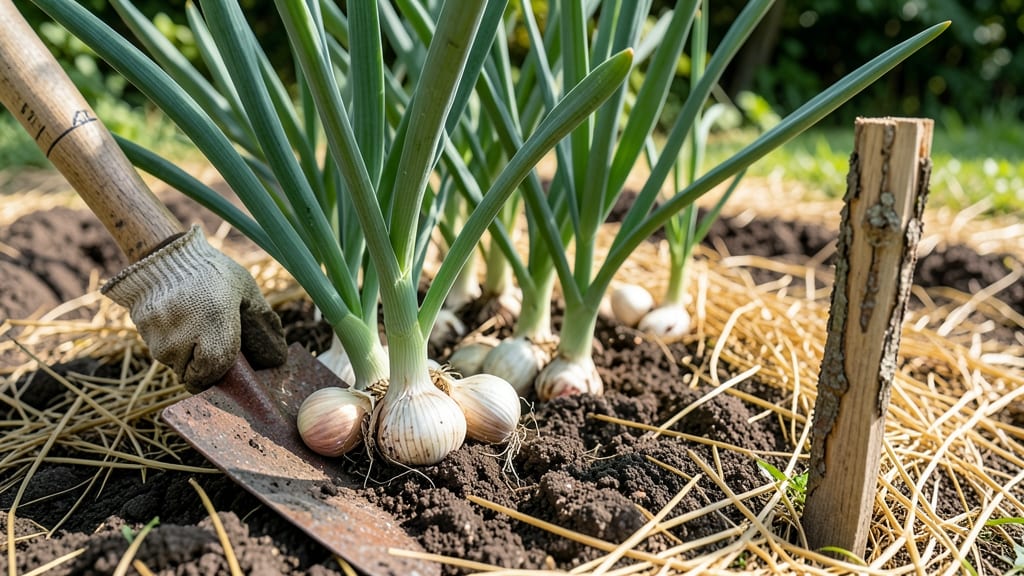
Planting garlic in North Carolina’s spring can feel like a gamble—especially when you’re dealing with hardneck varieties that need just the right chill hours to thrive. Unlike fall planting, spring offers a narrower window, but getting it right means bigger bulbs and fewer pests.
The key is timing it perfectly, when soil temperatures rise but frost threats linger, so your 🧄 gets a strong start without bolting too soon.
Most gardeners in zones 7a-8b aim for early March, but that’s just the starting point. The real secret lies in matching your variety’s chill-hour needs—some need 300 hours while others crave 1,000+.
A late frost or sudden heatwave can throw off even the best-laid plans, which is why local adjustments matter more than calendar dates.
What sets NC apart? Humidity and soil moisture play tricks—too much rain in spring can rot cloves before they sprout, while dry spells stress young plants. That’s why prepping your soil with compost and mulching becomes the game-changer between a mediocre harvest and a standout one.
Ready to avoid the common mistakes? I’ll walk you through the exact steps to plant, protect, and nurture your garlic so it matures strong—no guesswork, just proven NC-specific tips for a harvest-ready crop by June.
NC spring planting windows for hardneck garlic by chill-hour requirements
North Carolina's spring planting window for hardneck garlic hinges on chill-hour accumulation, with most varieties needing 300-1,000+ hours below 42°F to form bulbs. Since NC's Piedmont and Coastal Plain regions experience variable chill hours, timing is critical.
For Zone 7a (mountains), aim for mid-March planting, while Zone 8b (coastal) gardeners should wait until early April.
Hardneck varieties like Rocambole and Purple Stripe thrive with 600-1,000 chill hours, while low-chill varieties (e.g., 'German White') tolerate 300-400 hours. Planting too early risks premature sprouting from warming soil, while late planting may leave bulbs underdeveloped by harvest.
Use soil thermometers to confirm 45°F+ soil temps before planting.
Here’s how NC’s regions break down for spring garlic planting:
| Region | Chill-Hour Zone | Ideal Planting Window | Key Varieties | Adjustments |
|---|---|---|---|---|
| Mountains (Zone 7a) | 900-1,200+ | Mid-March to early April | Rocambole, Purple Stripe | Use row covers for late frosts |
| Piedmont (Zone 7b) | 600-900 | Late March to mid-April | Music, German Red | Stagger plantings for extended harvest |
| Coastal Plain (Zone 8a-b) | 300-600 | Early to mid-April | German White, Silverskin | Prioritize low-chill varieties |
For spring planting success, align your variety choice with your region’s chill hours. For example, Rocambole (900+ hours) may bolt in NC’s Coastal Plain, while German White (300+ hours) adapts better.
Always test soil drainage—garlic hates soggy soil—and amend with compost for nutrient-rich beds. Plant cloves 2 inches deep, 4-6 inches apart, with the pointy end up.
After planting, mulch heavily with straw or leaves to insulate bulbs from temperature swings. In NC’s humid springs, mulch also prevents neck rot.
Monitor for garlic moths—a common NC pest—and use diatomaceous earth if needed. By June-July, you’ll harvest plump bulbs ready for braiding or storage!
Pro tip: Stagger plantings every 2 weeks in spring to extend your harvest window. This works especially well in NC’s Zone 7b-8a areas where chill hours vary. For instance, plant half your cloves in late March and the rest in mid-April to ensure a steady supply.
If you’re new to garlic growing, start with ‘Music’—a NC-friendly variety with moderate chill needs (600-800 hours) and excellent flavor. It’s also bolting-resistant, making it ideal for NC’s unpredictable springs. Pair it with ‘German White’ for a low-chill backup in warmer coastal areas.
Remember: Spring-planted garlic in NC won’t reach the same size as fall-planted bulbs, but it’s a great way to fill gaps or experiment with varieties. Just avoid planting after May—the bulbs won’t mature before NC’s summer heat sets in.
For visual confirmation of readiness, watch for lower leaves turning brown while upper leaves stay green. This signals the bulb is firm and ready to harvest. Use a garden fork to gently lift bulbs, then cure them in a dry, shady spot for 2-3 weeks before braiding or storing.
🌱
NC spring planting windows for hardneck garlic by chill-hour requirements
North Carolina’s spring garlic planting window hinges on chill-hour requirements—the number of hours below 40°F (4°C) your garlic needs to form bulbs properly. For hardneck varieties like Rocambole or Purple Stripe, this ranges from 300 to 1,000+ hours.
Since NC’s zones 7a-8b accumulate chill hours unevenly, your planting date shifts based on where you live and which variety you choose.
In the Mountains (Zone 7a), where chill hours exceed 1,000+, you can plant as early as late February for varieties like ‘German White’. Meanwhile, in the Coastal Plain (Zone 8a), with only 300-600 hours, aim for mid-to-late March and pick low-chill varieties like ‘Silverskin’.
The Piedmont (Zone 7b-8a) falls in between, offering flexibility for 600-900 hour varieties like ‘Music’.
🌱
Don’t rely solely on calendar dates—soil temperature is your true guide. Wait until the ground reaches 40°F (4°C) at a 4-inch depth. In NC’s unpredictable spring, this can mean planting in late March one year and early April the next.
Use a soil thermometer to confirm readiness, especially in Coastal Plain areas where warm spells arrive early.
For staggered planting, try two batches: one in early March for high-chill varieties and another in late March for low-chill types. This spreads your harvest window and reduces bolting risks from sudden heat.
Just remember—bolting (premature flowering) is your biggest enemy in NC’s short growing season, so avoid planting too late.
🌿