
Plants
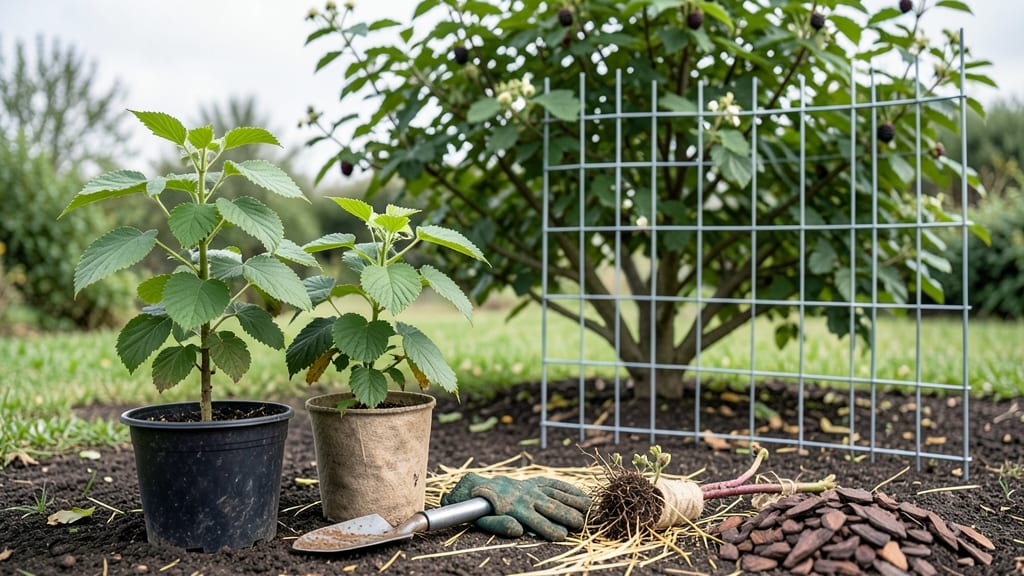
Knowing when to plant blackberries in Virginia can mean the difference between a bountiful harvest and wasted effort. With Virginia’s varied climate zones—from 6a to 8a—timing isn’t just about the calendar; it’s about matching your blackberry variety to its chill-hour needs.
If you’ve ever planted too early and watched your canes freeze or too late and missed the ideal growing window, you’re not alone. The key is understanding whether your region’s fall or spring planting is the better bet—and how to prepare your soil for success.
In this guide, I’ll break down the exact planting windows for Virginia’s zones, including how to choose the right blackberry type for your area. You’ll learn when to start, how to avoid common mistakes, and what to do to ensure your 🫐 bushes thrive year after year.
Whether you’re a first-time gardener or a seasoned grower, getting the timing right is the first step to a garden full of juicy, homegrown blackberries. Let’s get started.
Virginia blackberry planting timeline by USDA Zone and chill-hour requirements
Planting blackberries in Virginia isn’t just about picking a month—it’s about matching your USDA zone with the right chill-hour variety to ensure your plants fruit reliably. Virginia spans zones 5-8, and each zone has specific chill-hour needs (300–1,000 hours) that determine which blackberry varieties will thrive.
For example, Chester thrives in zones 5-7 with 600-800 chill hours, while Triple Crown handles zones 6-8 with 300-500 chill hours.
Timing also depends on whether you plant in spring (February–April) or fall (September–October). Spring planting gives roots time to establish before summer heat, while fall planting allows roots to settle before winter dormancy.
I’ll break down the best windows for each zone, including how to adjust for Virginia’s unpredictable frost dates.
🌱
For Zone 5 gardeners in northwest Virginia, like those in Roanoke, I recommend planting Chester in late March–April to avoid late frosts. These areas experience 800–1,000 chill hours, so varieties like Navaho (a thornless option) are excellent choices.
If you’re in Zone 8, such as Norfolk, opt for Prime-Ark Freedom and plant in January–February to capitalize on the mild winters.
Fall planting is often underrated but ideal for Virginia’s humid summers. Planting in September–October gives roots time to establish before the heat of summer, reducing transplant shock. However, avoid planting too late—roots need 4–6 weeks to settle before winter dormancy.
In Zone 7, like Richmond, I’ve had the best success with Triple Crown planted in late August–September.
One critical factor Virginia gardeners often overlook is soil temperature. Blackberry roots won’t grow actively until the soil reaches 60°F. Use a soil thermometer to check—planting too early in cold soil can stunt root growth.
In Zone 6, like Charlottesville, soil temps may not hit 60°F until mid-April, so adjust your timeline accordingly.
🌿
If you’re unsure about your chill-hour requirements, check your local Cooperative Extension Service or use a chill-hour calculator based on your ZIP code. For example, Blacksburg (Zone 6a) averages 700 chill hours, while Williamsburg (Zone 7b) sees only 450 hours
How to prepare soil and site for blackberries in Virginia’s climate
Preparing the right soil and site for blackberries in Virginia is just as critical as timing your planting. Blackberries thrive in well-draining, slightly acidic soil (pH 5.5–6.5) with full sun exposure (6–8 hours daily).
If your soil is heavy clay—common in Virginia’s Piedmont region—amending it with compost or sand can prevent root rot and improve drainage. I’ve found that adding 2–3 inches of organic matter to the top 12 inches of soil works wonders for establishing strong root systems.
Before planting, test your soil’s pH and nutrient levels using a home kit or through your local Extension office. Virginia’s Coastal Plain often has sandy soil that drains too quickly, while mountain regions like the Blue Ridge tend to have more clay.
Adjusting pH with lime (to raise) or sulfur (to lower) ensures your blackberries absorb nutrients efficiently. For example, in Zone 7’s Richmond area, I’ve had to add sulfur to lower pH from 7.0 to 6.0 for optimal growth.
🌱