
Plants
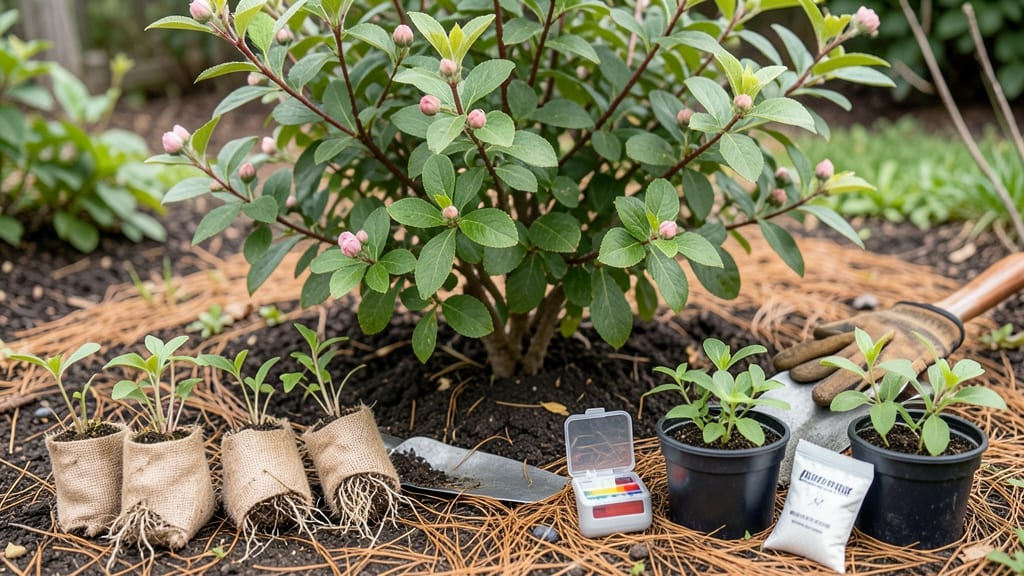
Timing your blueberry planting in Minnesota isn’t just about waiting for spring—it’s about matching your bushes to the state’s chill-hour demands and unpredictable frost dates. One wrong move, and your 🫐 bushes could struggle to fruit or even survive Zone 3-4 winters.
Most Minnesota gardeners plant between late April and early June, but the real secret lies in understanding your specific chill-hour needs—whether your variety thrives on 3,000 hours (like ‘Northblue’) or needs 7,000+ hours (like ‘Bluecrop’).
In this guide, I’ll break down the exact planting window for bare-root vs. potted plants, how to prep your soil for acid-loving blueberries, and why mulching in fall could save your bushes from winter freeze.
You’ll also learn which nurseries stock Minnesota-hardy varieties and how to tell if your plants are ready for harvest by July.
Skip the guesswork—let’s get your blueberries thriving with localized timing tips that actually work in Minnesota’s climate.
Minnesota’s blueberry planting timeline by chill-hour requirements
Minnesota’s Zone 3-4 climate demands precision when planting blueberries. The key? Matching your variety to chill-hour requirements—the number of hours below 45°F needed to trigger flowering. Most Minnesota varieties need 3,000–7,000 chill hours, but planting too early or late disrupts root establishment before winter.
Let’s break down the optimal planting windows for each type.
Northern Highbush varieties (like ‘Bluecrop’) thrive in 5,000–7,000 chill hours—perfect for Minnesota’s cold winters. Southern Highbush (e.g., ‘Premier’) needs 300–500 chill hours and struggles in Zone 3-4.
Half-High varieties (like ‘Top Hat’) sit in the middle with 3,000–5,000 chill hours. Planting at the wrong time risks winter dieback or poor fruiting.
Bare-root plants should arrive in March–April for spring planting (store them in a cool, moist place until ready). Container-grown plants can go in May–early June after the last frost. Fall planting is risky in Minnesota—only do it by late August to allow roots to establish before frost.
Minnesota’s last frost date varies by region (typically mid-May), but don’t rush! Planting too early exposes roots to soil heaving from freeze-thaw cycles. Wait until soil temps hit 45°F consistently. Use a soil thermometer to track progress.
🌱 Minnesota Blueberry Planting Timeline by Chill-Hour Needs
| Variety Type | Chill-Hour Range | Best Planting Window | Soil Prep Tip | Winter Protection |
|---|---|---|---|---|
| Northern Highbush | 5,000–7,000 hrs | Late April–Early June (bare-root or potted) | Amend with peat moss to pH 4.5–5.5 | Mulch with 4–6" pine needles |
| Half-High | 3,000–5,000 hrs | May–Early June (container-grown only) | Use raised beds for drainage | Burlap wrap for young plants |
| Southern Highbush | 300–500 hrs | Not recommended for Zone 3-4 | N/A (poor survival) | N/A (avoid) |
| Lowbush (Wild) | 7,000+ hrs | Fall planting (Sept–Oct) | Natural acid soil preferred | Heavy mulch for insulation |
⚠️ Pro Tip: Order bare-root plants by March 1 for spring delivery. Container-grown plants should be planted within 2 weeks of purchase.
For container gardening, plant in early June after roots establish. Use acidic potting mix (pH 4.5–5.5) and a pot 18" deep with drainage holes. Containers warm up faster in spring, giving you a 2-week later planting window than in-ground bushes.
Minnesota’s first frost (mid-October) signals dormancy, but don’t panic if you missed spring planting. Fall planting is only viable for Lowbush varieties or if using container-grown Northern Highbush by late August. Water deeply before frost to hydrate roots for winter.
Use a chill-hour calculator
Step-by-step guide: planting blueberries in Minnesota’s short growing season
Minnesota’s short growing season and cold winters demand precise timing when planting blueberries. The key is to plant bare-root plants in early spring (April) or container-grown bushes in early summer (June) to avoid frost damage while giving roots time to establish before winter.
Before planting, test your soil pH—blueberries thrive in acidic soil (pH 4.5–5.5). If your soil is too alkaline, amend it with sulfur or peat moss 2–3 months before planting. This gives the soil time to adjust, preventing root burn from sudden acidity changes.
Choose a sunny, sheltered location with well-draining soil. Blueberries hate soggy roots, so avoid low spots where water pools. If your yard has heavy clay, consider raised beds or container growing for better drainage and control over soil conditions.