
Plants
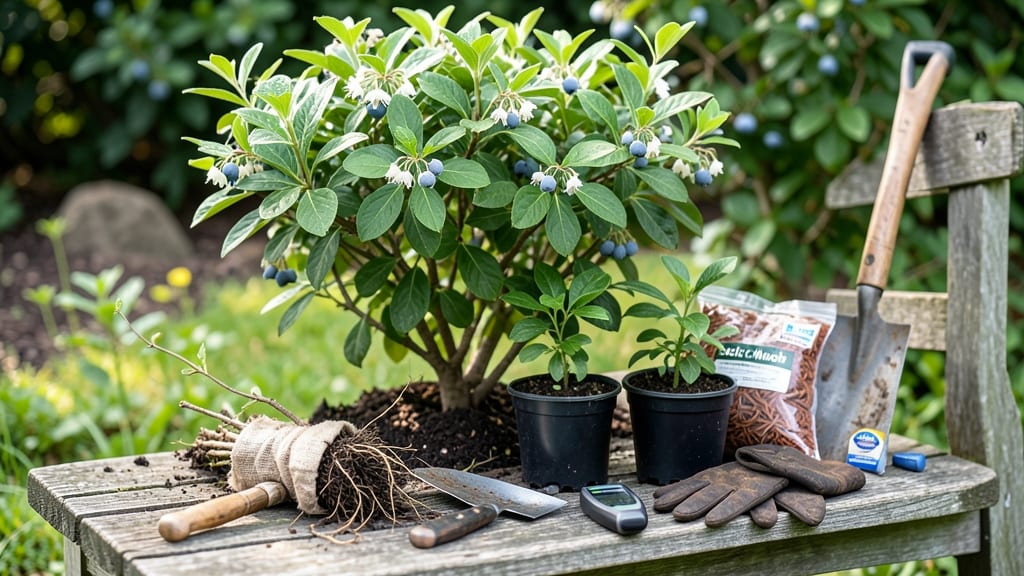
Planting blueberries in Seattle isn’t just about timing—it’s about unlocking the perfect balance between the city’s chill hours and your garden’s readiness. With USDA Zone 8a winters and rainy springs, knowing when to plant your 🫐 bushes can mean the difference between a modest harvest and a bountiful one.
Most gardeners in Seattle swear by late September to early November or March to early April for planting, but why? The key lies in your blueberry variety’s chill-hour needs—some thrive in Seattle’s mild winters, while others demand more cold exposure.
I’ll break down exactly how to match your bushes to the season for maximum success.
You’ll also discover how to prep your soil for Seattle’s acidic conditions, protect your plants from late frosts, and keep them thriving year-round. Whether you’re a first-time gardener or a seasoned green thumb, these insights will help you grow blueberries that burst with flavor.
Let’s dive into the game-changing strategies that will turn your Seattle garden into a blueberry paradise—starting with the right planting window for your variety.
Best planting months for Seattle blueberries by chill-hour requirements
Seattle’s cool, maritime climate creates a unique window for planting blueberries, but getting the timing right depends on your variety’s chill-hour needs. Most Seattle gardens fall under USDA Zone 8a/b, where winter temperatures rarely drop below 10°F (-12°C).
This means you’ll need to choose varieties that match your garden’s accumulated chill hours—typically between 300-900 hours below 45°F (7°C). High-chill varieties like Duke or Jersey thrive here, while low-chill types may struggle.
For bare-root plants, aim for late September to early November—this gives roots time to establish before winter dormancy. If you prefer potted blueberries, early spring (March to early April) works best, just before the last frost (March 15 in Seattle).
The Puget Sound area tends to be milder than the Eastside, so adjust your timing 1-2 weeks later if you’re in Sammamish or Bellevue.
Chill-hour mismatches are the #1 reason blueberries fail in Seattle. For example, Bluecrop (600-900 hours) will flourish, while Top Hat (300-400 hours) might produce poorly unless you’re in a microclimate with urban heat islands. Always check the chill-hour label on nursery tags—it’s your planting roadmap.
| Variety | Chill Hours | Best Planting Window | Seattle Notes |
|---|---|---|---|
| Duke | 450-600 hrs | Late Sept–Early Nov or March–April | Top choice for Puget Sound; large berries |
| Jersey | 600-900 hrs | Late Sept–Early Nov | Cold-hardy; thrives in Eastside microclimates |
| Bluecrop | 600-900 hrs | Late Sept–Early Nov | Classic variety; prolific in Zone 8a |
| Top Hat (Dwarf) | 300-400 hrs | March–April (container) | Risky unless in urban heat zones |
| Legacy | 700-900 hrs | Late Sept–Early Nov | Best for late frosts; Eastside favorite |
📌 Pro Tip: Puget Sound gardens can plant 2 weeks earlier than Eastside due to milder winters.
Seattle’s rainy springs can delay planting if your soil stays soggy. Test your soil’s drainage by digging a hole—if water pools after 6 hours, amend with compost or sand before planting.
For container-grown blueberries, early spring (March) is ideal because potted roots warm up faster in greenhouse-like conditions.
Watch for late frosts in April—they can damage new growth. If frost is forecasted after planting, cover young bushes with frost cloth or a lightweight blanket. Seattle’s first frost typically arrives around November 15, so fall-planted bushes should have 4-6 weeks to establish roots before dormancy.
Local nurseries like Hamm’s Nursery or Ballard Nursery offer Seattle-tested varieties—ask staff about chill-hour guarantees before purchasing. They’ll also provide soil pH test kits, a must-do step since blueberries hate alkaline soil.
Aim for a pH of 4.5-5.5—Seattle’s native soil often skews neutral (6.0-7.0), so amendments are key.
Once planted, mulch heavily with pine needles or wood chips to mimic the acidic forest floor blueberries love. This also retains moisture during Seattle’s dry summer months (July-August), when irregular rain can stress your bushes. Water deeply once a week unless it’s rained heavily.
Remember: Patience is critical. Blueberries take 2-3 years to bear fruit, but with the right chill hours and acidic soil, your Seattle garden will reward you with juicy, homegrown berries for decades. Start now, and you’ll be harvesting in June-August!
How to calculate your Seattle garden’s chill hours for blueberry success
Blueberries thrive when they receive enough chill hours—temperatures between 32°F and 45°F—to break dormancy and produce fruit. In Seattle, USDA Zone 8a, most varieties need 450–900 chill hours, but low-chill types (like 'Duke') adapt better to milder winters.
Without enough chill, your bushes may flower poorly or skip fruiting entirely. Let’s break down how to measure and use this critical data for your planting schedule.
Start by checking your local chill-hour totals using free resources like the NOAA Climate Database or Meteoblue. For Seattle, average chill hours range from 600–800 hours, but microclimates (like the Eastside’s warmer zones) can drop below 500 hours.
Compare these numbers to your chosen blueberry variety’s requirements—for example, 'Bluecrop' needs 800–900 hours, while 'Jersey' thrives with 500–600 hours. This mismatch can mean the difference between a bountiful harvest and a disappointing one.
If your area falls short, opt for low-chill varieties or extend chill exposure by planting in cooler microclimates (e.g., north-facing slopes or shaded areas). You can also delay planting until late winter or early spring to ensure bushes experience more chill before bud break.
For instance, if your garden only hits 400 chill hours by February, wait until March to plant high-chill varieties like 'Duke' to maximize their exposure.
For a hands-on approach, use a chill-hour calculator like the one from Washington State University Extension. Input your ZIP code (e.g., 98101 for Capitol Hill) and the tool will generate a personalized chill-hour report.
This data helps you decide whether to plant in fall (for winter chill) or spring (to catch remaining chill before bud break). For example, if your report shows only 450 chill hours by February, stick to low-chill varieties or push planting to mid-April.
Once you’ve nailed down your chill hours, align your planting with Seattle’s frost dates. The last spring frost typically occurs around March 15, while the first fall frost hits November 15.
Plant bare-root bushes in fall (September–October) to give roots time to establish before winter, or in early spring (March) to ensure they experience enough chill before growing season. Container-grown blueberries, however, can be planted throughout the growing season, offering more flexibility for chill-sensitive varieties.
Don’t overlook the role of microclimates in Seattle. Gardens in Magnolia or Ballard often get more chill hours than those in Bellevue or Kirkland due to cooler Puget Sound breezes.
If you’re unsure about your specific chill totals, visit a local nursery like The Plant Farm or Seattle Tilth—they often provide chill-hour guides tailored to Seattle’s zones. With the right timing, your blueberries will thrive, producing sweet, juicy berries for years to come! 🫐