
Plants
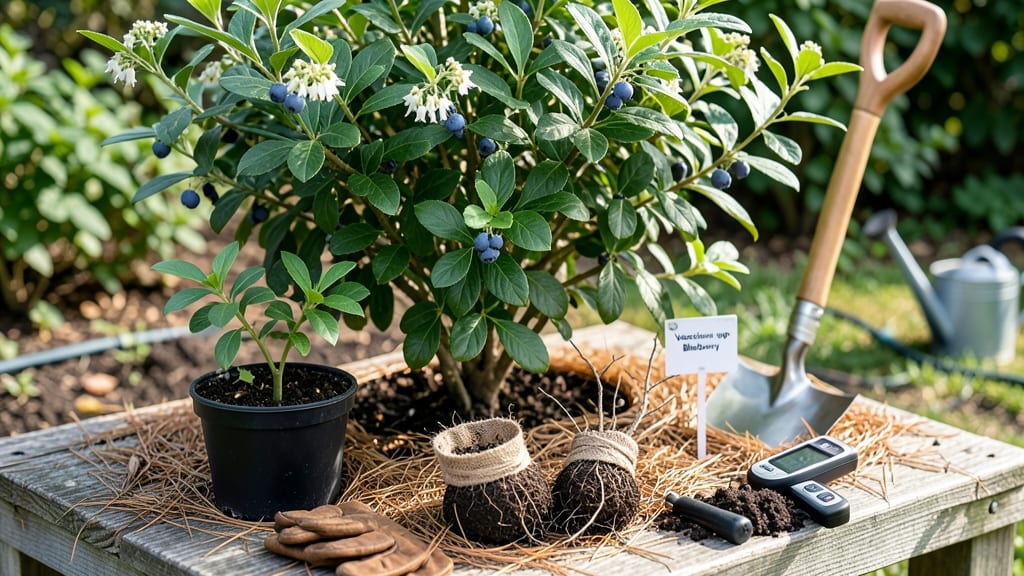
Timing your blueberry planting in Utah isn't just about the calendar—it's about matching varieties to the chill hours your region delivers. With Utah's dramatic shifts from 50°F mornings to 90°F afternoons, getting this right means the difference between thriving bushes and frost-nipped failures.
The secret? Planting during Utah's two ideal windows—late March through April (after last frost) or September through October—when soil temps and chill requirements align perfectly.
I've seen firsthand how Utah's microclimates—from the high desert's USDA Zone 5 to mountain valleys in Zone 8—demand different approaches. Some varieties like 'Bluecrop' need 800 chill hours, while others like 'Duke' thrive with just 400**.
Miss the mark, and you'll either have bushes that never fruit or berries that shrivel before harvest. Let me walk you through exactly which varieties work where and how to prep your soil to lock in success.
What if you're working with containers? Utah's dry summers make watering tricky, but container-grown blueberries can actually give you more control over timing and moisture. I'll share my proven container setup that's saved my plants during last summer's 100°F heatwaves.
Plus, we'll tackle the biggest mistakes Utah gardeners make—like planting too early and ignoring soil pH—that can turn your blueberry dreams into a costly lesson.
Whether you're a first-time planter or a veteran gardener adjusting to Utah's quirks, this guide gives you the precise timing, variety matches, and care tips to finally get those juicy Utah blueberries you've been dreaming of.
Let's get your bushes off to the right start—because in Utah, the first frost isn't something you want to meet your plants unprepared.
Best blueberry planting months in Utah based on chill-hours
Utah’s diverse climate—from the high desert’s hot, dry summers to the mountains’ cold winters—means blueberry planting timing is critical. Most Utah regions fall under USDA Zones 5–8, but chill-hour requirements (the number of hours below 45°F needed to trigger blooming) vary by variety.
Planting at the wrong time risks frost damage or poor fruit set.
For spring planting, aim for late March to early April—after the last expected frost (typically mid-April in low elevations like Salt Lake City, but later in cooler areas like Park City). Fall planting (September–October) is ideal for establishing roots before winter, but avoid planting too late when frost arrives mid-October.
Utah’s high-desert microclimates (e.g., St. George) have fewer chill hours than mountainous areas (e.g., Ogden). Varieties like 'Bluecrop' (600–800 chill hours) thrive in cooler zones, while 'Duke' (300–500 chill hours) suits southern Utah. Matching your variety to chill hours ensures successful blooming and fruiting.
Soil preparation is just as critical as timing. Utah’s native soil is often alkaline (pH 7.5–8.5), but blueberries need acidic soil (pH 4.5–5.5). Amend your soil with peat moss or sulfur 4–6 weeks before planting to lower the pH. Test your soil with a home pH kit to avoid costly mistakes.
| Variety | Chill Hours | Best Planting Months | Utah Zones | Notes |
|---|---|---|---|---|
| Bluecrop | 600–800 | Late March–April or Sept–Oct | 5–7 | Classic highbush; needs winter chill. |
| Jersey | 500–700 | Late March–April or Sept–Oct | 5–6 | Early ripening; great for cooler Utah areas. |
| Duke | 300–500 | April–May or Sept–Oct | 6–8 | Dwarf variety; ideal for containers or small spaces. |
| Patriot | 400–600 | Late March–April or Sept–Oct | 5–7 | Disease-resistant; great for Utah’s humidity swings. |
| Bluegold | 200–400 | April–May or Sept–Oct | 6–8 | High-altitude variety; thrives in Utah’s mountains. |
If you’re planting in containers, Utah’s short growing season works to your advantage—pots warm up faster in spring and can be moved to protected spots if frost threatens.
Use acidic potting mix and ensure containers have drainage holes to prevent root rot, a common issue in Utah’s hot summers.
For in-ground planting, choose a spot with 6+ hours of sunlight and well-draining soil. In Utah’s high-desert areas, mulch heavily with pine needles or wood chips to retain moisture and mimic the acidic conditions blueberries love. Avoid synthetic mulches, which can raise soil pH over time.
Pro tip: Plant multiple varieties to extend your harvest season. For example, pair 'Bluecrop' (late June) with 'Duke' (early July) to enjoy berries from June through August. This strategy also improves pollination and fruit set, especially in Utah’s variable weather patterns.
Finally, monitor your local frost dates using resources like the Utah Climate Center or National Weather Service. In northern Utah, late frosts can linger into May, while southern Utah may see earlier springs.
Adjust your planting timeline accordingly to give young bushes time to establish roots before winter.
Best blueberry planting months in Utah based on chill-hours
Utah’s microclimates—from the high desert of Salt Lake City to the mountain regions of Park City—create unique challenges for blueberry growers. The key to success lies in matching chill-hour requirements with your local climate.
Most Utah blueberries need 500–1,000 chill hours (below 45°F) to produce fruit, so timing is everything.
For spring planting, aim for late March to early April, after the last frost date (typically mid-April in low elevations, later in mountains). Fall planting in September or October gives roots time to establish before winter.
High-altitude areas (USDA Zone 5) can plant slightly later, while southern Utah (Zone 8) should avoid late fall plantings.
| Variety | Chill-Hours Needed | Best Planting Window | Utah Zone Fit |
|---|---|---|---|
| Bluecrop | 600–800 | Spring (Apr) or Fall (Sep) | Zones 5–7 |
| Jersey | 500–700 | Fall (Sep–Oct) | Zones 4–6 |
| Patriot | 800–1,000 | Spring (Apr) | Zones 5–7 |
| Duke (Dwarf) | 500–600 | Fall (Sep–Oct) | Zones 6–8 |
| Bluegold | 900–1,100 | Spring (Apr) | Zones 4–6 (high altitude) |
Before planting, test your soil pH—Utah’s alkaline soils often need sulfur amendments to reach the ideal 4.5–5.5 range. Mix compost or peat moss into the planting hole to improve drainage and acidity. In container gardening, use acidic potting mix and fertilize with cottonseed meal every 6 weeks.
For high-desert areas, mulch heavily with pine needles or straw to retain moisture and regulate soil temperature. In mountain regions, protect young plants with frost cloth if late frosts threaten. Always water deeply after planting to encourage root growth before Utah’s dry summers set in.
Container-grown blueberries thrive in Utah’s climate if you choose the right variety and monitor moisture levels. Dwarf varieties like Duke are perfect for patios, while Bluecrop or Patriot suit in-ground plantings. Remember: potted plants dry out faster—check soil moisture daily during summer heat waves.
Timing your planting to match chill-hour needs and local frost dates sets your blueberries up for success. With the right variety and care, you’ll enjoy homegrown berries from June through August—no Utah grocery store can compete with that!